Nomadic life demands reliable power without compromise or limitations. Your rv solar power system transforms how you travel and camp forever. Gone are days searching for campground hook-ups and paying monthly fees. Solar panels mounted on your RV roof generate free electricity continuously. Lithium batteries store energy for night time and cloudy days reliably. Your nomadic lifestyle finally achieves complete independence from grid dependency. Off grid adventures become possible anywhere sunlight reaches your RV.
Remote Mountain valleys, desert landscapes, and peaceful lake locations welcome you confidently. Battery storage technology enables 24-hour power access without generator noise. Renewable energy reduces your environmental footprint while traveling responsibly. Modern rv solar power system transform ordinary RVs into self-sufficient homes on wheels. Financial savings accumulate as monthly electricity bills disappear permanently.
Energy independence empowers spontaneous travel decisions and extended stays wherever you choose. Your nomadic dream becomes reality through smart solar energy investment today.
Understanding Your Rv Solar Power System
Living on the road demands reliable power. Your rv solar power system creates independence from campground hook-ups and loud generators. A well-designed system lets you camp anywhere the sun shines. You control your own energy production and storage. Solar panels capture free electricity daily. This setup works whether you travel weekends or full-time.
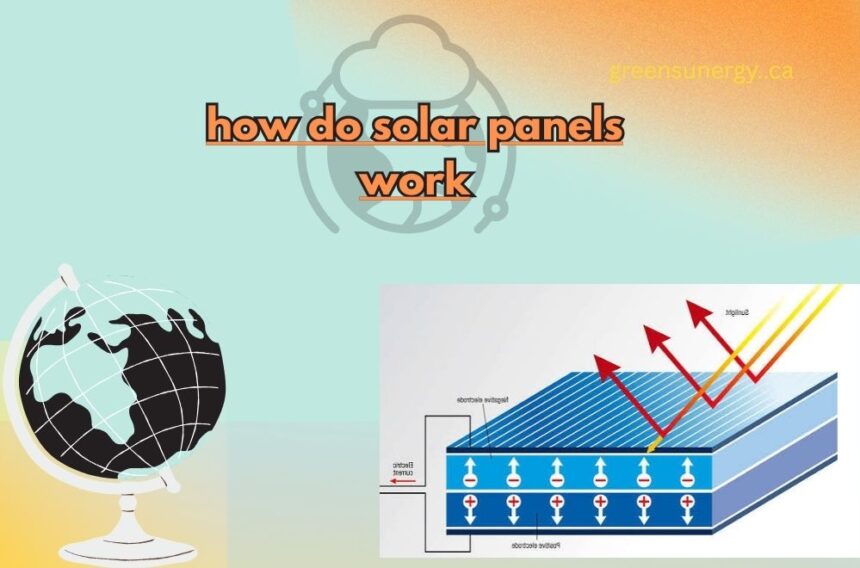
Your rv solar power system consists of four critical components working together seamlessly. Solar panels collect sunlight and convert it to electricity. A charge controller regulates the flow to your battery bank. Your batteries store energy for night time use. An inverter converts DC power to AC electricity for household appliances. Each component matters equally for system success.
Renewable energy from the sun powers everything onboard. Your rv solar power system becomes a mobile home that runs independently. No generator noise disturbs peaceful campsites. No fuel costs drain your budget monthly. Your investment in solar technology pays dividends year after year consistently.
Read more about: cabin solar system
Why Off-Grid Power Matters for Adventurers
Freedom defines the rv lifestyle completely. Traditional campsites charge for hook-ups and limit your stay. Off-grid power systems eliminate these restrictions permanently. You park where you want. You stay as long as you wish. Your rv solar power system setup never requires monthly payments ever.
Energy independence changes how you travel fundamentally. No searching for available hook-ups wastes precious time. No generator fuel purchases drain your pocket. You simply park, set panels to catch sunlight, and enjoy instant electricity. Peaceful mornings replace the roar of diesel engines. Neighbours appreciate your quiet, clean energy choice always.
Real travellers understand this reality completely. Remote mountain valleys inspire adventure seekers. Desert sunsets attract photography enthusiasts everywhere. Beach locations draw families annually. Your rv solar power system reaches these places where hook-ups never exist. True freedom means making your own power anywhere.
| Camping Limitations | Off-Grid Power Solutions | Adventurer Benefits |
| Campgrounds charge monthly hook-up fees | RV solar power system generates free electricity | Financial savings increase substantially |
| Limited campsite availability restricts locations | Park anywhere sunlight reaches consistently | Access remote mountain and desert locations |
| Generator noise disturbs neighbouring campers | Silent solar panels operate without fuel | Peaceful camping experience for everyone |
| Monthly fuel purchases add travel expenses | Free renewable solar energy production | Budget extends further during travels |
| Hook-up searches waste valuable travel time | Setup takes minutes once parked properly | More time enjoying destinations matters |
| Generator maintenance requires regular servicing | Solar system needs annual cleaning only | Minimal ongoing maintenance required |
| Dependency on infrastructure limits freedom | Complete energy independence achieved | Spontaneous travel decisions become possible |
| Noisy engines disrupt natural camping atmosphere | Off-grid power creates peaceful environment | Wildlife returns to campsites around you |
Key Components in Your Rv Solar Power Systems
Monocrystalline solar panels represent the best choice for RV roofs today. These panels convert sunlight to DC electricity efficiently. They perform well even in limited roof space conditions. A typical setup uses between 200W to 600W of panel capacity. Your RV roof determines maximum installation size ultimately.
MPPT charge controllers optimize power delivery from panels to batteries constantly. These intelligent devices adjust voltage automatically for maximum efficiency. PWM controllers cost less but deliver only 70 percent efficiency. MPPT controllers achieve 90 percent efficiency reliably. The difference matters significantly in cloudy weather conditions.
Lithium iron phosphate batteries store your solar energy for 24-hour use. These batteries outlast traditional lead-acid models significantly. A 200-amp lithium battery gives more capacity than 400-amp lead-acid banks surprisingly. Weight savings matter when traveling constantly. Longer lifespan means fewer replacements over years.
| Component Name | Primary Function | Key Specifications |
| Monocrystalline solar panels | Convert sunlight to DC electricity | 200W to 600W typical capacity |
| MPPT charge controller | Regulate power flow to batteries | Achieves 90 percent efficiency |
| Lithium iron phosphate batteries | Store solar energy for night time use | 200 to 400 amp-hour capacity |
| Pure sine wave inverter | Convert DC power to AC electricity | 3000W typical power output |
| Wiring and connectors | Transfer electricity between components | Proper gauging prevents voltage drop |
| Battery monitor | Display remaining capacity and usage | Real-time power consumption tracking |
| Roof mounting brackets | Secure panels to RV roof permanently | Support 200 to 600W panel weight |
| Circuit breakers and fuses | Protect system from electrical damage | Prevent fires and equipment failure |
Battery Storage Solutions
Battery capacity determines how long you run appliances without sunlight. Your daily energy consumption calculation guides battery selection accurately. If you use 1500 watt-hours daily, size accordingly. Most RV owners choose between 200 and 400 amp-hour capacity. Your travel style and destination seasons influence this decision significantly.
Lithium batteries deliver 80 percent usable capacity without damage. Lead-acid batteries only provide 50 percent safely. This difference dramatically improves your system practicality. Lithium batteries charge faster and handle temperature extremes better. They integrate seamlessly with modern charge controllers and inverters always.
Temperature management protects your battery investment continuously. Install batteries in ventilated compartments away from direct heat. Battery monitors display remaining capacity and power draw constantly. Victron and Rangy monitors provide excellent data visibility. Knowing your battery status prevents unexpected power loss during travel.
Selecting Panels and Controllers for Maximum Performance
Panel wattage depends on your energy consumption and destination sunlight. Desert locations receive stronger solar radiation year-round consistently. Forested areas experience more shading issues predictably. Northern climates get fewer peak sun hours annually. Calculate your specific needs before purchasing panels. A 450-watt system suits moderate camping travellers well typically.
Charge controller sizing requires matching panel output to battery voltage. A 450-watt solar array on 12-volt batteries needs a 50-amp MPPT controller safely. The 1.25 safety multiplier prevents damage from power spikes. Under sizing creates bottlenecks in energy flow unnecessarily. Oversizing provides room for future panel additions conveniently.
Temperature derating affects real-world panel performance significantly. Hot panels produce less electricity than cool ones paradoxically. High altitude installations improve efficiency through cooler panel temperatures. Dust and dirt reduce output substantially. Monthly cleaning preserves your system’s capacity fully. Snow coverage stops electricity production until cleared completely.
Read more about: Property
Making Your System Work in Real World Conditions
Inverters convert your battery stored DC electricity into AC power for regular appliances. A 3000-watt inverter powers most RV appliances simultaneously. Smaller inverters limit simultaneous device operation considerably. Modified sine wave models save money but risk equipment failure.
Efficiency losses occur throughout your system inevitably. Wiring resistance, charge controller processing, and inverter conversion combine to reduce output. Expect 20 to 25 percent total system losses realistically. This explains why under sizing hurts your camping experience. Oversizing provides the buffer needed for comfortable living.
Seasonal energy production varies dramatically by location. Summer months deliver maximum power generation obviously. Winter requires battery draw-down or additional panels. Canadian Rivers experience significant seasonal variation. Arizona travellers enjoy consistent year-round production. Understanding your local solar patterns guides realistic expectations. Combine solar with shore power backup during extended cloudy periods smartly.
Installation and Ongoing System Maintenance
Professional installation ensures safety and optimal system performance. Improper wiring creates fire hazards and power loss. Roof penetrations must seal perfectly against leaks. Electrical connections require proper gauging and circuit protection. Budget 1000 to 3000 dollars for professional installation typically. DIY installation saves money but demands electrical knowledge.
Monthly maintenance keeps your system performing optimally. Clean panels every month to remove dust and debris. Inspect wiring for corrosion and loose connections regularly. Check battery terminals for cleanliness and secure connections. Monitor charge controller and inverter displays for error codes. Annual professional servicing catches issues early.
Winterization protects your RV system during cold months. Insulate battery compartments to maintain capacity in freezing temperatures. Use battery heaters if camping in extreme cold conditions. Check heating tapes and block heaters function properly. Spring commissioning involves thorough system inspections again. Proper maintenance extends component lifespan significantly and reliably.
Frequently Asked Questions About Rv Solar Power Systems
Q1. How long does an rv solar power system last before replacement?
Most solar panels function reliably for 25 to 30 years. MPPT charge controllers typically last 15 to 20 years with proper maintenance. Lithium batteries provide 10-year warranties and often exceed that lifespan. Inverters last 10 to 15 years depending on usage patterns. Your rv solar power system’s longest component determines overall lifespan essentially.
Q2. Can I expand my rv solar power system later?
Yes, expansion happens relatively easily with proper planning. Install a larger charge controller initially than your current panel output requires. This future-proofs your investment for additional panels. Battery systems expand through parallel connection of additional units. Larger inverters install when your power needs increase. Design flexibility should guide your initial system purchase.
Q3. What happens to my rv solar power system during cloudy weather?
Panels produce 40 to 60 percent reduced electricity on cloudy days. Your batteries cover the shortfall using stored energy seamlessly. MPPT controllers extract every possible watt from weak sunlight. Extended cloud cover depletes battery reserves requiring conservation. Pairing solar with shore power backup handles extended cloudy periods. Most climates experience enough sunlight for adequate solar function.
Q4. How much does a complete rv solar power system cost?
Budget 5000 to 15000 dollars for complete systems typically. Small portable setups cost 2000 to 4000 dollars. Large roof-mounted permanent installations reach 20000 dollars or more. Installation labour adds 1000 to 3000 dollars to total costs. Consider this an investment lasting 20 to 30 years. Monthly generator costs far exceed solar depreciation over time.
Final thoughts
Your nomadic journey deserves the best power solution available today. A quality rv solar power system delivers unlimited energy independence while you explore remote destinations freely. No more worrying about campground hookups, monthly electricity bills, or generator noise ruining peaceful nights anymore. The RV solar power system represents your ticket to complete off grid freedom and sustainable travel adventures everywhere.
Modern technology makes solar energy affordable and efficient for every RV owner regardless of budget. Investing in an RV solar power system today guarantees decades of reliable power production and financial savings tomorrow. Your batteries store renewable energy captured by panels during sunny days for use anytime. Charge controllers and inverters work silently to deliver consistent electricity to every appliance onboard. The nomadic lifestyle transforms from dream into reality when rv solar power system provides complete independence from traditional infrastructure.
Smart travelers understand that choosing renewable energy protects their investment, their environment, and their freedom simultaneously. Your rv solar power system empowers spontaneous adventures in places most people never experience. Distance from civilization becomes an advantage rather than a limitation anymore. Complete energy independence means waking up wherever nature inspires you most without restrictions.
The combination of advanced lithium technology, efficient solar panels, and intelligent controllers creates the ultimate nomadic power solution available. Your next adventure awaits with confidence knowing reliable electricity powers your entire RV experience comprehensively.