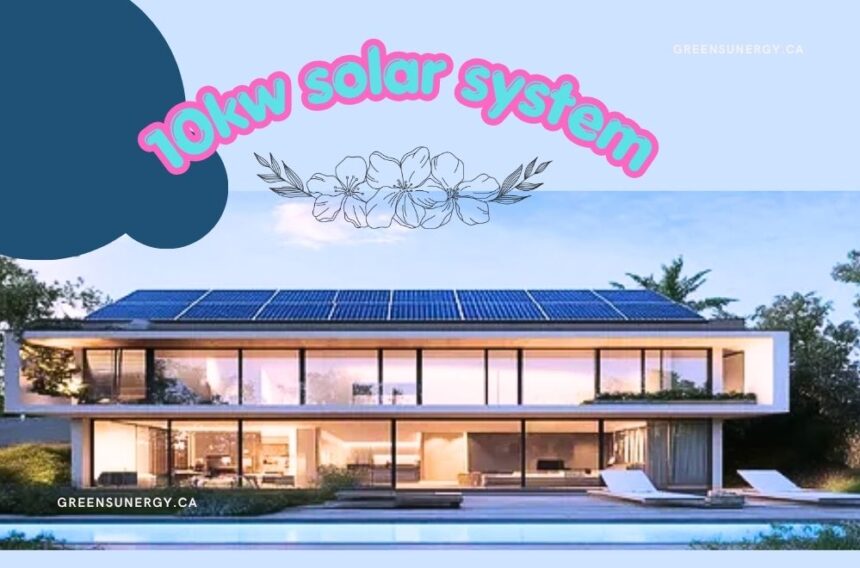
Today’s 10kw solar systems represent the most advanced renewable energy technology available for homeowners. Latest lithium battery innovations deliver unprecedented energy storage capacity and reliability. Contemporary MPPT charge controllers achieve 95 percent efficiency through intelligent power optimization constantly. Modern pure sine wave inverters power every household appliance seamlessly without damage.
Current solar panel designs generate maximum electricity even under partial shade conditions. Recent technology advances enable complete energy independence anywhere sunlight reaches reliably. The newest monitoring systems track real-time power production and consumption on smartphones instantly. Latest installation methods require minimal roof penetration through innovative mounting solutions.
Contemporary financing options spread 10kw system costs over 10 years affordably. Today’s off-grid capabilities allow remote properties to achieve complete electrical independence permanently. Modern net metering policies enable homeowners to sell excess electricity back to utilities profitably.
The newest solar technology combines efficiency with affordability making 10kw systems accessible to average families. Latest battery innovations store energy reliably through extended cloudy periods. Current inverter designs handle peak loads and surge loads seamlessly. Today’s 10kw solar systems deliver maximum financial returns while minimizing environmental impact substantially.
Understanding Your 10kw solar system
A 10kw solar system provides substantial energy for most household needs. This size sits right between modest and maximum for residential installations. Understanding what 10kW really means helps you make smart decisions. Power and energy are different concepts that many people confuse. A 10kW system represents capacity, not daily output. Your actual power generation depends on location, weather, and panel quality. Installing a 10kw solar system transforms how you consume electricity permanently.
Most homes can cover significant energy needs with this system size. The 10kw solar system typically produces between 30 to 45 kilowatt-hours daily. This depends entirely on your climate and peak sun hours. In sunny regions like Florida, production exceeds northern states significantly. Your solar panels capture more sunlight throughout the year. Weather patterns, seasonal changes, and cloud cover all affect actual output. Real-world performance rarely matches perfect conditions.
Read more about: Slylar Box
How Energy Production Works
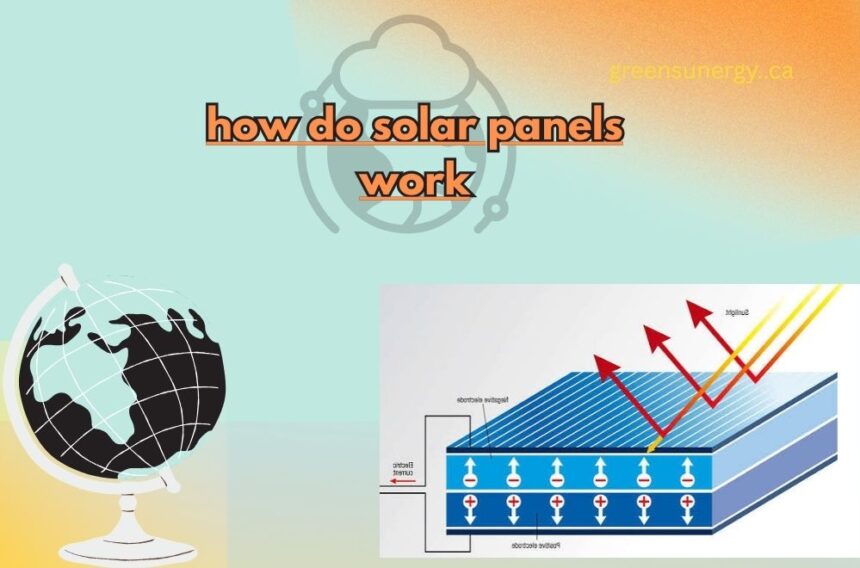
Solar panels convert sunlight into DC electricity through photovoltaic technology. This electricity flows to your charge controller first. The charge controller prevents battery overcharging and optimizes power flow. MPPT controllers achieve 90 percent efficiency while older PWM models deliver only 70 percent. Temperature affects panel performance dramatically. Hot panels produce less electricity than cool ones surprisingly. Your system’s location matters as much as panel quality.
Seasonal variations mean energy fluctuates throughout the year predictably. Summer months deliver maximum power generation obviously. Winter produces significantly less electricity due to shorter daylight hours. Spring and fall sit between these extremes. Cloud cover reduces output but doesn’t stop production completely. Understanding these patterns helps you plan energy use wisely. Battery storage bridges the gap during low-production periods.
| Process Stage | What Happens | Key Factor |
| Solar panels capture sunlight | Photovoltaic cells convert light to DC electricity | Panel quality affects conversion efficiency |
| Electricity flows to charge controller | Controller receives DC power from panels | Controller prevents battery overcharging damage |
| MPPT controller optimizes power | Adjusts voltage for maximum energy extraction | Achieves 90 percent efficiency rating |
| PWM controller operates more simply | Delivers only 70 percent efficiency reliably | Lower cost but reduced output |
| Temperature affects panel performance | Hot panels produce less electricity than cool | Ambient heat reduces efficiency measurably |
| Seasonal variations change production | Winter produces less energy than summer months | Shorter daylight hours reduce output |
| Cloud cover reduces electricity generation | Sunlight blockage lowers power flow immediately | Production continues at reduced capacity |
| Battery storage captures converted energy | Electricity flows into battery charge system | Storage bridges gap between production and use |
Sizing Your 10kw solar system Correctly
Calculating proper system size requires honest assessment of your needs. Check your utility bills for actual energy consumption patterns. Most homes use between 15 and 30 kilowatt-hours daily. A 10kw solar system produces sufficient electricity for average households. Heavy appliance use increases requirements substantially. Air conditioning, electric heating, and water heating boost consumption significantly. Growing families or electric vehicle owners need larger systems.
Your roof space limits panel installation possibilities. Modern solar panels generate 400 to 550 watts individually. A 10kw solar system needs approximately 20 to 25 panels total. South-facing roofs capture maximum sunlight year-round. East and west orientations work adequately but reduce output somewhat. Shade from trees or buildings destroys efficiency rapidly. Professional assessment prevents costly installation mistakes. Proper mounting angles optimize energy capture throughout seasons.
| Component Name | Primary Function | Specifications |
| Monocrystalline solar panels | Convert sunlight to DC electricity | 400 to 550 watts per panel |
| MPPT charge controller | Optimize power delivery to batteries | Achieves 90 percent efficiency |
| Lithium iron phosphate batteries | Store solar energy for 24-hour use | 20 to 40 kilowatt-hours capacity |
| Pure sine wave inverter | Convert DC power to AC electricity | 8 to 10 kilowatts typical output |
| Roof mounting brackets | Secure panels permanently to roof | Support 400-to-550-watt loads |
| Battery monitor | Display remaining charge and usage | Real-time consumption tracking |
| Wiring and connectors | Transfer electricity between components | Proper gauging prevents voltage drop |
| Circuit breakers and fuses | Protect entire system from damage | Prevent fires and equipment failure |
Battery Bank and Inverter Selection
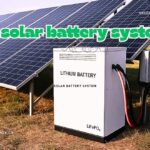
Battery storage determines system reliability during night hours. LiFePO4 batteries offer superior performance over traditional lead-acid options. Modern batteries provide excellent capacity and lifespan. A 10kw solar system typically needs 20 to 40 kilowatt-hours of storage. Larger homes require more battery capacity for comfort. Depth of discharge ratings affect actual usable energy. Higher quality batteries withstand more charge and discharge cycles. Your battery bank investment rivals panel costs easily.
Inverters convert stored DC power into usable AC electricity. Most homes require 8 to 10 kilowatt inverters for reliable operation. Peak loads from appliances determine proper inverter sizing. Running multiple appliances simultaneously stresses inverters heavily. Surge loads from compressors and motors need extra capacity. Pure sine wave inverters protect sensitive electronics from damage. Three-phase inverters suit larger properties and businesses. Proper inverter selection ensures stable power delivery always.
Read more about: cabin solar system
Installation Guide for Your 10kw solar system
Professional installation ensures safety and optimal system performance. Improper wiring creates fire hazards and power losses. Cable sizing prevents dangerous voltage drops. Roof penetrations must seal completely against water leaks. Mounting hardware supports panel weight through storms. Electrical circuit protection devices safeguard your entire system. Building permits and inspections verify code compliance. DIY installation saves money but demands electrical expertise.
Monitoring equipment tracks real-time energy production and consumption. Smart monitors display system status on your smartphone. Early warning alerts catch problems before system failures. Inverter displays show battery charge levels and power flow. Good monitoring helps optimize energy use patterns. Understanding your data leads to better conservation habits. Annual maintenance keeps components functioning properly always.
Financial Benefits and Cost Savings
A 10kw solar system costs between 15000 and 25000 dollars typically. This investment produces returns through electricity savings. Average homes save 200 to 400 dollars monthly with solar. Your payback period ranges from 7 to 12 years usually. Electricity rates increase annually making solar savings grow. After payback, energy becomes essentially free forever. Net metering policies allow excess power sales to utilities. Some regions offer generous credits for surplus electricity.
Environmental impact ranks as important as financial benefits. Solar eliminates carbon emissions from electricity generation. One 10kW system prevents 15 tons of carbon annually. Your home’s resale value increases with solar installation. Buyers prefer homes with lower energy costs predictably. Investment tax credits reduce upfront expenses significantly. State and federal incentives make solar more affordable. Financing options spread costs over many years comfortably.
Is a 10kw solar system Worth It
Worth depends entirely on your specific situation. Remote properties without grid access benefit tremendously. High electricity rates make solar worthwhile quickly. Stable homes where families plan to stay profit most. Frequent movers may not recover investment before relocating. Small homes with modest usage need smaller systems. Large properties with heavy loads need bigger installations. Your energy consumption pattern determines real value.
Consider future needs when sizing your system. Plans for electric vehicles require additional capacity. Home expansions increase energy demands substantially. Retirement lifestyle changes may reduce consumption. System expansion becomes difficult after initial installation. Oversizing slightly provides flexibility for future growth. Starting too small forces expensive upgrades later. Proper planning maximizes your solar investment return completely.
Frequently Asked Questions About Your 10kw solar system
Q1. How many solar panels do I need for a 10kW system?
Modern panels rated 400 to 550 watts require 20 to 25 panels typically. Exact numbers depend on specific panel wattage. A 10kW system uses approximately 48 square meters of roof space. Roof layout and mounting hardware influence final panel count. Professional assessment provides precise calculations for your home.
Q2. What’s the difference between 10kW and kilowatt-hours?
10kW measures instantaneous power capacity. Kilowatt-hours measure energy produced or consumed over time. A 10kW system produces varying kilowatt-hours daily. Weather, sunlight, and seasons affect actual kilowatt-hour output. Understanding this distinction prevents sizing mistakes. Your utility bills measure kilowatt-hours not kilowatts.
Q3. Can a 10kW system power an entire home completely?
Yes, most homes run entirely on a 10kW system. Average energy consumption fits within this capacity easily. High-consumption homes need careful load management. Air conditioning and electric heating strain smaller systems. Battery storage improves reliability during cloudy periods. Professional design ensures your system matches actual needs.
Q4. How much do 10kW systems cost in 2025?
Installed costs range from 15000 to 25000 dollars typically. Panel quality, inverter choice, and local labour affect pricing. Incentives and tax credits reduce net costs significantly. Financing options spread payments over 10 years. Battery storage adds 5000 to 10000 dollars additional cost. Getting multiple quotes reveals best local pricing options.
Final Thought
Investing in a 10kw solar system represents one of the smartest decisions modern homeowners can make today. This proven system size balances substantial energy production with reasonable installation costs and roof space requirements. A 10kw solar system delivers genuine independence from rising electricity rates while dramatically reducing your carbon footprint permanently.
Whether your home needs complete power coverage or partial energy offset, this capacity suits most family situations exceptionally well. The latest battery technology and inverter innovations make a 10kw solar system more reliable and efficient than ever before. Your initial investment pays dividends through decades of free renewable energy production consistently.
Financial returns exceed most traditional investments while protecting our planet simultaneously. Take control of your energy future today by exploring how a 10kw solar system transforms your home into a self-sufficient power generator. Your family’s comfort, your wallet’s health, and our environment’s future all benefit from choosing solar energy now.