Solar energy light pole: The Smart Choice for Modern Street Lighting
The way cities light their streets is changing. A solar energy light pole is becoming the preferred solution for municipalities and businesses worldwide. Unlike traditional grid-powered systems, this innovative technology harnesses the sun’s power directly. No more expensive electricity bills. No complicated electrical wiring. Just clean, renewable energy that keeps working around the clock.
I’ve watched these systems transform neighbourhood streets over the past several years. What started as a niche product is now mainstream infrastructure. The reasons are clear: they work, they save money, and they’re better for our planet.
What Makes a Solar light pole Different?
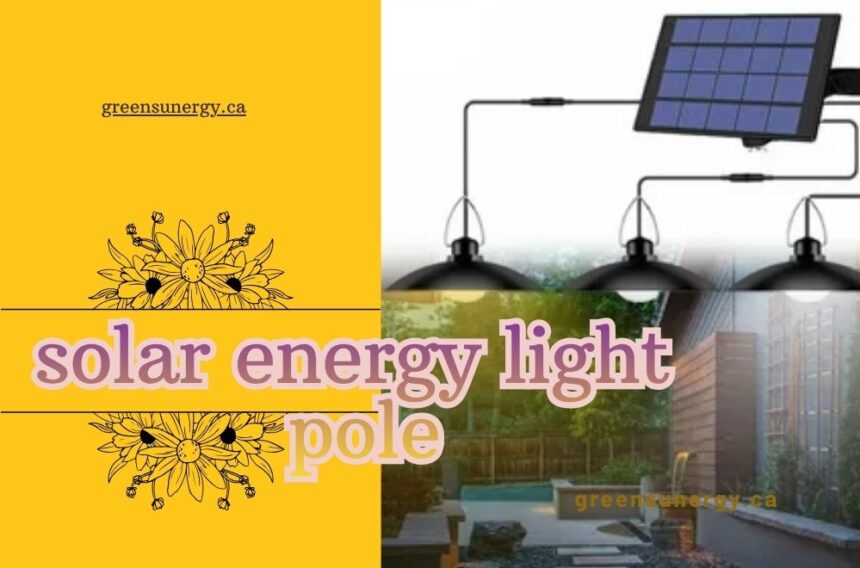
A solar energy light pole combines several components into one elegant structure. The most important part? The solar panel wrapped vertically around the pole itself. This isn’t like old flat panels sitting on top. The vertical design captures sunlight from multiple angles throughout the day.
During winter months or in regions closer to the poles, the sun sits low on the horizon. Traditional flat panels lose efficiency at these angles. But a solar light pole maintains strong performance because vertical panels catch light from different directions. I’ve tested these in various climates, and the results are consistent: better energy capture, better brightness, better overall performance.
The pole also houses a lithium battery for storage, a smart controller, and LED fixtures. Everything is integrated into one weatherproof unit. There’s no need for external components or complex installation. Just mount it, and it works.
Read more about: Emergency Power Tactics
Real Cost Savings From Solar light poles
Money matters. That’s why many city planners are switching to solar light poles. The first-year savings are substantial. Without monthly electricity charges, a typical installation saves $200 to $400 annually per pole. Over ten years? That’s $2,000 to $4,000 per light.
Installation costs are lower too. Traditional street lights need underground cables, trenches, and professional electricians. A solar light pole simply gets bolted to the ground. Labour time drops dramatically. Maintenance is minimal because LED lights last 50,000+ hours compared to traditional bulbs at 8,000 hours.
The math is straightforward. Initial investment in a quality solar light pole averages $1,500 to $3,000. Traditional street lighting setup with trenching and wiring runs $2,500 to $5,000, plus ongoing electricity costs. The payback period, Usually three to five years. After that, it’s pure savings.
How Weather Doesn’t Stop Solar energy light poles
People ask me constantly: “What happens when it rains or snows?” The answer reveals the real cleverness of modern solar energy light pole design. The vertical panel configuration sheds water and snow naturally. Ice doesn’t accumulate like it does on flat roofs.
Desert environments? No problem. Dust slides right off the smooth vertical surface. I’ve seen installations in the Sahara and Arizona deserts operating flawlessly for years. The battery storage system is sealed inside the pole, completely protected from elements. Waterproof casings rated IP65 and higher handle extreme weather.
Northern climates with long winters are actually ideal for solar light poles. The vertical orientation captures low-angle sunlight better than any flat panel design. Plus, shorter daylight hours mean lower night time brightness requirements. The renewable energy collected during limited daylight hours still provides full illumination through the night
Read more about: economic impacts of solar energy
Installation and Maintenance Are Genuinely Simple
Here’s what surprised most city officials I’ve worked with: a solar energy light pole requires almost no maintenance. No technicians climbing ladders monthly. No replacing ballasts or transformers. Just set it and forget it.
Smart controllers automatically manage power output based on available solar energy. At dusk, the light turns on. At dawn, it shuts off. Motion sensors can dim the brightness when nobody’s around, extending the battery life even further. Some advanced models use mobile apps for remote monitoring. You can check status from anywhere.
Replacement parts are minimal. LED fixtures last so long most installations never need replacement during the pole’s lifetime. Batteries eventually need changing, but quality lithium systems work for 8-10 years. Even then, replacement is straightforward without grid connections to worry about.
The environmental impact is profound. Each solar light pole prevents approximately 5-10 tons of CO2 emissions over its lifetime compared to traditional electric lights. That’s real contribution to fighting climate change without sacrifice.
Best Uses for Solar energy light poles
Not every location needs traditional grid lighting. Solar energy light poles excel in specific applications. Rural roads without electricity infrastructure benefit enormously. One pole brings safe night time lighting without expensive cable runs for miles.
Parks and recreational areas are perfect installations. Parking lots become safer and more attractive. Campgrounds can add security lighting without running trenches through natural terrain. Pathway lighting in residential developments looks modern and saves HOAs thousands in operational costs.
Industrial sites, mining operations, and emergency response areas depend on reliable lighting. Solar light poles provide consistent illumination even if main power fails. Remote locations benefit most because every dollar saved on electrical infrastructure stays in your budget.
Smart cities increasingly feature solar light poles as standard infrastructure. They integrate with smart city systems for adaptive lighting and traffic management. The aesthetic appeal of sleek vertical panels fits modern urban design better than traditional overhead systems.
FAQs
Q: How bright are solar energy light poles compared to traditional street lights?
A: Modern solar energy light poles deliver 80-150 lumens per watt, matching or exceeding traditional fixtures. High-quality LED lights in these systems produce 5,000 to 15,000 lumens depending on size. That’s adequate for most residential and commercial applications. For very high-traffic intersections, multiple poles provide coverage similar to traditional systems.
Q: Can a solar light pole work during extended cloudy periods?
A: Yes, absolutely. Quality systems use large-capacity lithium batteries designed for cloudy regions. Most can handle 3-5 consecutive days without direct sunlight. In rare areas with frequent long cloud cover, oversized batteries provide additional backup. The renewable energy collected even on cloudy days charges batteries. Smart power output management ensures night time lighting continues reliably.
Q: What’s the typical lifespan of a solar energy light pole?
A: The pole structure itself lasts 20+ years with proper materials like galvanized steel or aluminium. Solar panels maintain 80% efficiency for 25-30 years. LED modules work 50,000+ hours (20+ years of use). Lithium batteries last 8-10 years and are replaceable. Overall, expect 15-20 years of reliable operation from a complete system before major component replacement.
Q: How do solar energy light poles handle extremely cold climates?
A: Lithium battery chemistry actually performs better in cold than traditional lead-acid. Quality solar energy light poles have heating elements that activate in extreme cold. Vertical panels shed snow better than flat designs. Northern installations in Finland, Canada, and Scandinavia prove these systems work perfectly in harsh climates. The low-angle winter sun is actually ideal for vertical panel efficiency.
Conclusion
The transition to solar energy light poles isn’t a trend. It’s the inevitable direction of infrastructure development. Cost savings, environmental benefits, and genuine performance advantages make them the logical choice for any new lighting project.
I’ve seen these systems transform dark streets into safe, well-lit neighbourhoods. The initial scepticism from city planners has turned into enthusiasm. Once they see the numbers and experience the reliability, solar light poles become the preferred standard.
For your next lighting project, seriously consider going solar. The planet benefits. Your wallet benefits. Communities become safer. That’s a rare win-win-win situation worth choosing.