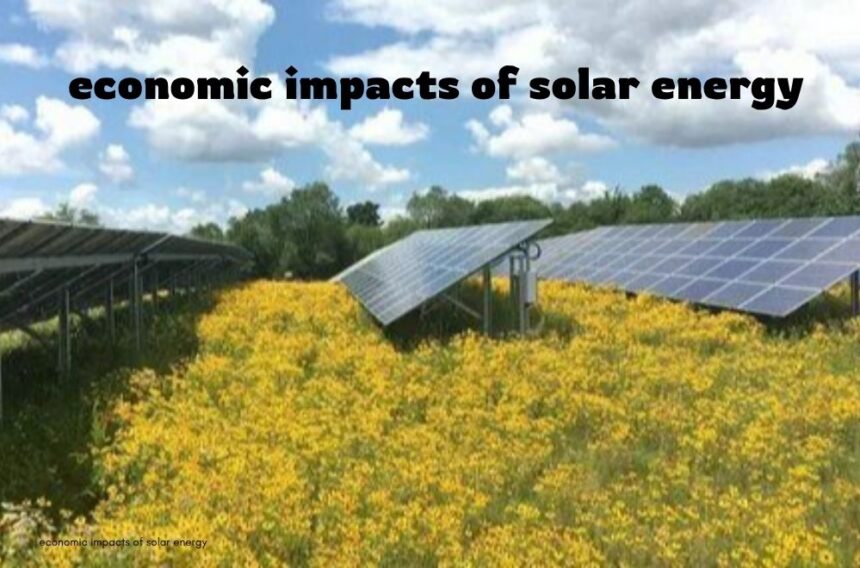
Energy costs touch every part of daily life — from the electricity bill on your kitchen counter to the price of goods at your local store. The economic impacts of solar energy are reshaping how families, businesses, and entire communities think about power, money, and long-term financial securityWhat was once considered an expensive luxury for early adopters has quietly become one of the smartest financial decisions a homeowner or business owner can make today. From slashing monthly utility bills to creating thousands of new jobs across the country, solar energy is no longer just an environmental conversation — it is an economic one. Understanding the real economic impacts of solar energy helps you see beyond the panels on the roof and recognize the much bigger financial picture they represent for your wallet, your neighbourhood, and the national economy as a whole.
Economic impacts of solar energy: Jobs, Savings & Growth
I still remember the first time I saw a solar power installation crew at work down my street. Neighbours gathered on the sidewalk, asking questions, comparing notes on electricity bills, and wondering aloud if it was finally time to make the switch. That small moment says a lot about where we are today. The economic impacts of solar energy are no longer a niche talking point for engineers or policy wonks — they’re an everyday conversation for homeowners, business owners, and entire towns. From US rooftops to Canada’s remote territory, countries everywhere are realizing that clean energy isn’t just good for the planet; it’s good for the wallet too.
Read more about Doge Software
Growing Job Market in the Solar Sec
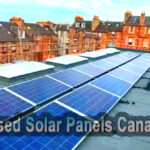
Every solar panel installed needs hands to put it there, and that simple fact has reshaped the job market. The Interstate Renewable Energy Council (IREC) reported 263,883 solar workers across all 50 US States, the District of Columbia, and Puerto Rico as of December 2022. Behind that number sit real people: installers, engineers, electricians, assembly line workers, and sales people, each contributing to economic growth through steady employment opportunities and rising employment rate. North of the border, Canada expects clean energy jobs to employ 2.7 million people by 2050, with solar and wind alone bringing $3.75 billion to Alberta and creating 4,500 jobs since 2019. Manufacturing, maintenance, and installation work ripple outward from every new solar project, strengthening community budgets nationwide.
Cost Savings for Solar Users / Solar Reduces Utility Bills
Here’s something I tell friends considering solar: the upfront investment feels big at first, but the long-term savings are where the real story lives. Once panels go live, grid dependence drops, monthly utility bills shrink, and the path toward cost recovery and full ROI becomes clear. Programs like net metering let homeowners sell excess energy back to the grid, turning a personal solar installation into a shared economic benefit for the whole community. Over time, that initial investment recovery adds up to real utility costs avoided year after year.
Government Incentives for Solar Users
Governments rarely reward something unless it’s working, and the US Government’s support for solar tells you everything. The Investment Tax Credit (ITC) lets individuals and businesses claim a deduction up to 26% of solar installation costs from federal taxes, while states including North Carolina stack on their own rebates, sales tax exemptions, and property tax reductions. Add in Power Purchase Agreements (PPAs), renewable portfolio standards (RPS), and solar grants, and the path to affordability gets a lot shorter. Checking with local agencies and state agencies before installing is smart, since financial incentives vary widely by location.
Read More About Xlecz
Solar Supports Communities During Emergencies
When hurricanes, earthquakes, or snow storms knock out the power grids, solar energy systems keep running regardless. One of the most overlooked economic impacts of solar energy is how it protects communities when traditional power sources fail completely. Owning a personal solar system means less reliance on traditional power sources, offering real energy independence during a grid shutdown or natural disaster. This kind of community resilience matters most when unreliable energy supply threatens homeowners and businesses alike, and it only grows more valuable as climate change makes extreme weather more common.
Lower Infrastructure Costs
Much of the country’s power grids is aging, and strained grid capacity shows it, especially during peak demand. Distributed solar generation eases that pressure, cutting the need for costly transmission line upgrades and new power plants, which lowers overall infrastructure costs for everyone connected to the grid. Experts and policymakers increasingly recognize the broader economic impacts of solar energy as a long-term solution to reducing national grid maintenance costs and building a more financially sustainable energy future.
Read More About solar panel installation
Boosted Local Economies
New demand for solar energy ripples through the supply chain, creating business opportunities in manufacturing, installation companies, and maintenance services. Each new investment stimulates local economies, proving that job creation in solar reaches far beyond the panels themselves.
A Win-Win Solution
Solar delivers a rare win-win solution: solar users enjoy cost savings, solar companies earn profits, and the community economy grows stronger. Households get a more resilient community, the environment benefits, and everyone shares in the economic proposition solar represents.
The economic impacts of solar energy extend far beyond simple electricity savings on a monthly utility bill. Every solar panel installed on a rooftop represents a long-term financial decision that benefits individual homeowners, local communities, and the broader national economy simultaneously. As climate change pushes extreme weather events higher in frequency, the economic impacts of solar energy become even more visible — solar-powered homes and businesses avoid the devastating financial losses that grid-dependent properties suffer during prolonged outages
HOW DOES SOLAR ENERGY AFFECT THE ENVIRONMENT?
Beyond dollars and cents, the positive impacts of solar power on the environment deserve real credit too.
Solar Energy Is Better for the Environment
Traditional fuel collection involves mining, drilling infrastructure, and habitat loss, damaging plants, animals, and entire ecosystems. Solar plants need far less space and release no air pollution or water pollution, helping ecosystem restoration while limiting greenhouse gas emissions like carbon dioxide that would otherwise reach the atmosphere.
Solar Helps With Land Use
Unlike sprawling electricity plants, solar systems fit on rooftops or in remote areas with barren land, easing pressure on land usage nationwide. As new technology improves, rooftop installation will only get easier.
Solar Reduces Carbon Emissions
Producing electricity from fossil fuels requires drilling, transporting, and burning — all releasing pollutants into waterways and the atmosphere that harm wildlife health and human health, and cutting them could save 25,000 lives. Solar panels pay back their panel construction energy cost within one to four years, then keep producing clean power for 30 years lifespan, protecting finite resources and infrastructure.
RECYCLING SOLAR PANELS
Some panels use precious metals like silver and indium, which is why proper recycling matters so much. Talk to your solar panel provider about disposal methods and a nearby recycling location to avoid wasting hazardous materials or scarce metals needed for future production.
Read more about Photovoltaic inverter
TRUST 8MSOLAR AS YOUR SOLAR POWER PROVIDER
Choosing the right solar industry experts matters. Providers like 8MSolar support residential solar installation and commercial solar installation across North Carolina, handling everything from installation to ongoing servicing and repairs for customers and family alike.
Economic benefits of a clean grid in Canada
Canadians are already seeing what a clean grid delivers, and clean energy projects remain among the cheapest energy sources available today. A net-zero grid enables transportation and buildings to electrify, unlocking local economic growth and revenue for municipalities across every province.
Residential solar highlights
Homeowners in Prince Edward Island, Saskatchewan, and Ontario already see savings, while rebate programs in Nova Scotia and Alberta help close the gap. Remote areas like Yukon, Northwest Territories, and Nunavut could also benefit once smart meters spread further.
FAQ 1: What are the most significant economic impacts of solar energy on homeowners?
The economic impacts of solar energy on homeowners are clear and immediate — lower monthly electricity bills, stronger property values, and real energy independence during grid outages. Homes with solar systems sell for up to 4.1% more, making solar one of the smartest long-term financial investments a homeowner can make today.
FAQ 2: How does solar energy affect infrastructure costs at a national level?
When more homes and businesses generate their own solar power, pressure on aging national grids drops significantly. This directly cuts costly transmission upgrades and new power plant expenses, lowering infrastructure costs for everyone — which is one of the most powerful yet underappreciated economic impacts of solar energy at a national scale.
FAQ 3: Does solar energy create real economic benefits during natural disasters?
Absolutely. Solar-powered homes and businesses keep running during hurricanes, earthquakes, and snowstorms when traditional grids fail — avoiding costly downtime, generator fuel expenses, and inventory losses. Communities with strong solar adoption consistently recover faster and more affordably after disasters strike.