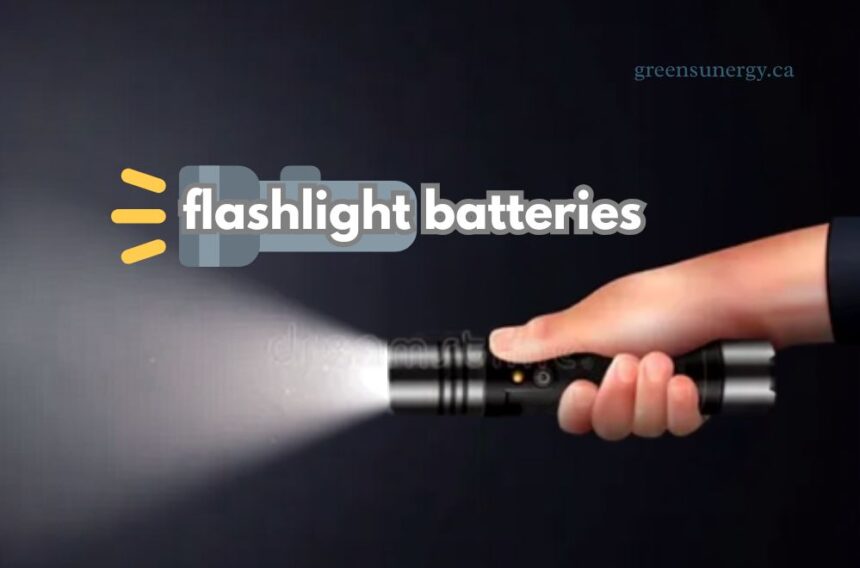
Choosing the right flashlight batteries can make a big difference in brightness, runtime, and overall flashlight performance. The latest battery technology offers improved energy efficiency, reliable power output, and longer battery life. Whether you use a flashlight for emergencies, outdoor activities, or everyday tasks, understanding modern battery types can help you get dependable illumination when you need it most.
Why Flashlight Batteries Matter for Your Device
Your flashlight needs the right power source. Flashlight batteries form the backbone of reliable illumination in countless situations. Without them, you face dim light, quick shutdowns, and disappointed moments when you need brightness most. The right battery choice unlocks consistent brightness and extends runtime dramatically. I have tested flashlights for years, and the difference between poor batteries and quality ones is night and day. Your flashlight performance depends entirely on the power cells you select.
Flashlight batteries deliver more than just power. They determine your safety, reliability, and user experience during emergencies or outdoor adventures. Using weak or incompatible cells creates risks like flickering, overheating, or complete failure. When you invest time choosing proper cells, you gain confidence that your light will work when needed most. Quality energy storage means dependable illumination every single time.
Understanding Battery Chemistry and Types
Several battery chemistries power modern flashlights today. Alkaline batteries remain common in household flashlights but offer limited capacity and single use only. Lithium cells deliver superior voltage and perform excellently in cold temperatures. NiMH rechargeable options balance cost and performance well. Lithium-ion cells now dominate professional and outdoor flashlights because they offer incredible capacity packed into small spaces.
Each chemistry type serves different purposes perfectly. Emergency backup flashlights benefit from non-rechargeable cells since they hold their charge during storage for years. Outdoor adventurers should grab rechargeable options because frequent charging makes economic sense. Professional users demand high discharge current and sustained output for demanding work.
Read more about Emergency Power
Finding Your Perfect Flashlight Batteries Match
Battery size matters immensely when pairing with your light source. AA and AAA sizes fit countless everyday models but deliver less brightness overall. CR123A cells work great in tactical flashlights due to their high voltage output. The 18650 format dominates high performance lighting today. Larger 21700 batteries power long duration operations. I personally use 18650 cells most often because they deliver power, runtime, and practicality in perfect balance.
Capacity measured in mAh determines how long your light runs between charges. Higher capacity means extended runtime for missions lasting hours. Voltage specifications matter equally since mismatched power damages electronics. Always check your flashlight manual for exact requirements before purchasing cells. A quality charger with compatibility features prevents costly mistakes.
How Flashlight Batteries Perform in Real Conditions
Cold temperatures destroy most batteries rapidly, but not all equally. Lithium primary batteries handle freezing conditions exceptionally well, maintaining power at minus twenty degrees. NiMH rechargeable cells struggle more in extreme cold and lose effectiveness quickly. I tested flashlights in winter mountains, and quality lithium cells always outperformed cheaper alternatives significantly. For outdoor EDC use in harsh weather, lithium options prove worth every penny spent.
High energy density means compact cells pack enormous power into tiny packages. This property makes lithium-ion flashlights portable yet incredibly bright. The discharge rate determines whether your light sustains maximum brightness during demanding situations. Professional models require cells that push intense power without dimming or failure.
| Real World Battery Performance Factors | Temperature affects battery capacity and power output | Cold conditions can reduce flashlight brightness noticeably |
| Battery Capacity During Extended Flashlight Use | Higher capacity provides longer operating time overall | Heavy use drains batteries faster than expected |
| Brightness Changes During Battery Discharge Cycles | Voltage drops gradually as batteries become depleted | Flashlight brightness may decrease during prolonged operation |
| Battery Performance Under Cold Outdoor Conditions | Low temperatures temporarily reduce available battery power | Lithium batteries generally perform better in cold |
| Battery Performance During High Heat Exposure | Excessive heat can accelerate battery degradation significantly | Store batteries away from direct sunlight exposure |
| Flashlight Runtime With Different Battery Types | Alkaline batteries provide dependable everyday flashlight performance | Lithium batteries usually deliver longer consistent runtime |
Making Performance Last Longer
Proper storage practices extend battery life dramatically. Keep cells in cool, dry locations away from moisture that causes corrosion and damage. Heat accelerates chemical breakdown, shortening usable lifespan. I store my backup batteries at fifty percent charge during long periods of non use. This approach preserves their capability without degradation. Never store cells in extreme conditions or direct sunlight because both situations create internal damage quickly.
The cycle life of rechargeable options typically ranges from five hundred to one thousand charges. Each recharge gradually reduces performance slightly. Using quality products from trusted brands means better longevity. Avoid cheap knock offs that claim inflated specifications because they fail prematurely and create safety concerns. Real brands like Samsung, Panasonic, and established manufacturers deliver honest ratings.
Charging Your Flashlight Batteries the Smart Way
Invest in a quality charger designed for your specific cell chemistry. Never mix different battery types in the same slot because voltage imbalances create danger. Avoid overcharging by removing cells immediately after reaching full capacity. Many chargers include automatic shutoff features that protect against this. Over-discharging similarly damages rechargeable cells permanently. Most modern flashlights include protection circuits preventing deep discharge situations, but always verify compatibility before use.
Charge cells in well ventilated spaces away from flammable materials always. Never leave charging cells unattended for extended periods. Charge at room temperature ranges since extreme heat or cold interferes with the process. A quality battery management system prevents most problems through intelligent monitoring. Respecting these guidelines ensures safe operation and maximizes lifespan significantly.
Read more about: solar energy light pole
Keeping Your Light Source Reliable
Regular inspection catches problems before they cause failures during critical moments. Check contacts monthly for corrosion buildup that reduces power transfer. Clean metal surfaces gently using rubbing alcohol and cotton swabs. Look for bulging, leakage, or unusual heat, which indicate cells requiring immediate replacement. I inspect my backup emergency flashlight monthly to maintain reliability. Damaged cells become hazardous quickly and should be removed and disposed properly through recycling programs.
Keep detailed records of charging dates and usage patterns for frequently used lights. Monitoring performance helps you anticipate when replacement becomes necessary before failures occur. Rotate backup batteries regularly to maintain their readiness. Testing them periodically confirms they still work when emergencies strike.
| Essential Practices For Reliable Flashlight Operation | Use compatible batteries for consistent flashlight performance | Check battery condition before important emergency use |
| Regular Battery Inspection Prevents Unexpected Power Loss | Inspect batteries regularly for leaks or swelling | Replace damaged batteries immediately to prevent problems |
| Proper Battery Installation Ensures Reliable Light Output | Match battery polarity with flashlight compartment markings | Incorrect installation can prevent the flashlight operating |
| Clean Battery Contacts For Better Electrical Connection | Clean contacts remove dirt and corrosion build up | Better connections help maintain steady flashlight brightness |
| Replace Old Batteries Before Emergency Situations Occur | Fresh batteries provide dependable power when needed | Avoid relying on heavily discharged batteries during emergencies |
| Store Flashlights Safely Between Regular Uses | Keep flashlights somewhere dry and easily accessible | Avoid extreme temperatures that can damage components |
Safety Considerations for Flashlight Batteries
Safety must always come first when handling any power cells. Never expose them to water, fire, or physical impacts that cause internal damage. Damaged cells leak corrosive chemicals or explode under extreme conditions. Short circuits generate dangerous heat rapidly. Keep metal objects away from batteries to prevent accidental contact. Store cells in non-conductive containers, never metal boxes or drawers. Teach children to treat batteries respectfully since some contain toxic materials.
Quality cells include built in protection circuitry that prevents most dangerous situations. This safety feature justifies paying premium prices for established brands. Cheap knock offs skip protective circuits to maximize profit margins. Dispose of dead cells through proper recycling channels since dumping them harms environments. Many retailers and battery shops offer free recycling programs.
Picking Quality Flashlight Batteries Every Time
Established manufacturers invest heavily in research and quality control procedures. Panasonic, Samsung, and similar brands maintain strict standards because their reputation depends on reliability. Their products cost more upfront but deliver better battery life and safety margins. Avoid suspiciously cheap batteries from unknown sources because they often contain false capacity claims. I learned this lesson expensively when cheap cells failed during important outdoor trips.
Read customer reviews from verified purchasers before buying new cells. Real user experiences reveal problems that manufacturers hide. Reputable vendors stand behind their products with strong guarantees. Purchasing from trusted retailers eliminates counterfeits that plague online marketplaces. Genuine cells perform consistently, hold their rated capacity, and last through hundreds of charge cycles reliably.
Frequently Asked Questions
What flashlight batteries work best for outdoor adventures?
For serious outdoor use, nothing beats quality 18650 or 21700 lithium-ion batteries paired with reliable flashlights. These cells deliver the power density and runtime needed for wilderness exploration. They maintain stable output throughout discharge cycles. Their cycle life supports hundreds of outdoor trips. For extreme cold environments, consider CR123A primary lithium cells instead since they excel in freezing conditions.
Can I mix different battery types in the same flashlight?
Never mix different battery types because voltage imbalances cause problems. Combining rechargeable and non-rechargeable cells in the same device risks leakage and damage. Always use identical battery types and chemistries from the same manufacturer when your flashlight requires multiple cells. This consistency ensures balanced power delivery and maximum safety margins. Mixing creates dangerous voltage conflicts that circuitry cannot handle properly.
How long should I charge flashlight batteries typically?
Charging times vary dramatically based on cell capacity and charger specifications. Small AA batteries typically charge in four to eight hours. Large capacity 21700 cells need eight to twelve hours with standard chargers. Many modern intelligent chargers complete charging faster while protecting cells. Always follow manufacturer guidelines rather than guessing. Smart chargers automatically stop when full charge occurs, preventing overcharging damage.
When should I replace flashlight batteries with new ones?
Replace cells when brightness noticeably decreases or your flashlight fails to turn on. Aged rechargeable batteries lose capacity gradually over many charge cycles. Once a cell provides less than eighty percent of original capacity, replacement becomes practical. Physical damage like cracks, swelling, or leakage requires immediate replacement for safety. I test my backup batteries quarterly to catch degradation before critical moments arrive. Spending twenty dollars on fresh batteries prevents emergencies better than trusting unreliable aged cells.
Smart battery selection makes the difference between reliable performance and disappointment. Understanding chemistry types, capacity ratings, and proper handling extends lifespan significantly. Your flashlight delivers dependable illumination when you pair it with quality cells and follow maintenance guidelines. Take time to match the right batteries to your specific needs today.
Final Thought
The right flashlight batteries can improve brightness, runtime, and dependable performance. By choosing quality flashlight batteries and storing them properly, you can enjoy better battery life and reliable power. For everyday use or emergencies, dependable flashlight batteries are a smart choice.