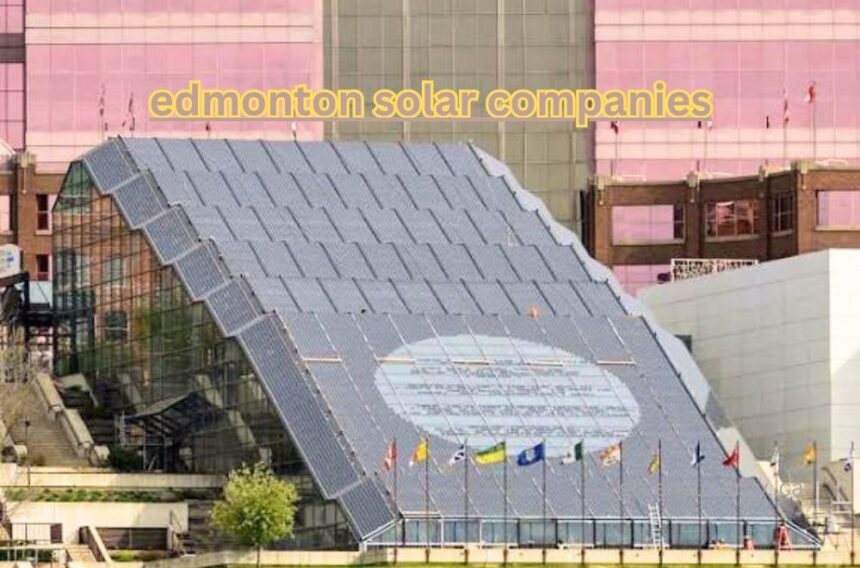
Edmonton sees far more sunshine than most people expect from a prairie city, and that sunshine is exactly why so many households now search for edmonton solar companies before winter bills climb again. I remember helping a family member compare three quotes last year, and the difference between a rushed sales pitch and a genuinely careful company was obvious within minutes.
This guide walks through everything worth knowing before you call any edmonton solar companies for a quote.
Why So Many Homeowners Search For Edmonton Solar Companies
Edmonton actually ranks among Canada’s sunniest cities, with long bright stretches through spring and summer that push solar potential higher than many people assume. That surprising amount of daylight hours is one big reason edmonton solar companies keep getting busier every season. Rising electricity rates add extra pressure on household budgets. As utility costs creep upward year after year, more families start comparing edmonton solar companies to see how much of their bill solar power could realistically offset.
Local rebate programs sweeten the deal further. The city has offered rebate funding tied to system size, which can meaningfully lower the upfront cost for many homeowners working with a qualified installer.
Edmonton also sits fairly high above sea level compared with many Canadian cities, which slightly boosts the strength of incoming sunlight across the year. Combined with long summer days that stretch well past sixteen hours of daylight, this gives local rooftops a genuine head start compared with cities in cloudier parts of the country.
Read more about: Doge Software
How Edmonton’s Sunshine Compares Nationally
Skeptical friends often assume a prairie winter cancels out any real solar benefit. The numbers tell a different story, since average sun hours here rank among the highest of any major Canadian city across a full calendar year. Summer generation runs strong from May through August, often producing the bulk of a system’s total yearly output during that single stretch. Winter days shrink, but clear cold air and reflective snow cover can still deliver a useful boost to panel performance on bright afternoons.
This seasonal rhythm matters when you compare quotes. A careful installer builds month by month projections into your estimate rather than relying on a single flat number that ignores how dramatically daylight hours shift between January and July.
Neighbouring cities across the prairies often report similar patterns, which is part of why solar adoption keeps climbing across the wider region, not just within city limits. Watching how quickly your own street fills up with rooftop panels can be a useful, informal signal of how well the technology performs locally.
Read more about: economic impacts of solar energy
What Edmonton Solar Companies Typically Charge
Most residential projects land somewhere between twelve thousand and eighteen thousand dollars for a common five kilowatt system, though exact pricing depends on roof size and equipment choice. Larger homes with higher energy needs naturally push costs toward the upper end of that range. Price per installed watt gives a cleaner way to compare bids from different edmonton solar companies. Two quotes might look similar in total cost, yet hide very different panel quality or inverter brand once you read the fine print closely.
Financing paths vary too. Loans, outright purchase, and occasional lease options each shape your payback period differently, so ask every company to walk you through the math using your own real bills.
It also helps to request an itemized quote rather than one flat number. A detailed breakdown covering modules, inverter cost, mounting hardware, and labor lets you spot exactly where two competing bids differ, instead of guessing why one number sits higher than another.
Rebates And Incentives Offered By Edmonton Solar Companies
The city has run a solar rebate program that pays homeowners a set amount per installed watt, which often covers a meaningful slice of total project cost. Reputable edmonton solar companies stay current on these numbers and help you apply correctly. Stacking incentives often unlocks bigger savings. Combining a municipal rebate with the federal Greener Homes grant can shorten your payback period by several years compared with paying full price alone.
Ask directly whether your shortlist of edmonton solar companies handles rebate paperwork on your behalf. Many established firms submit applications as part of their standard process, saving you hours of confusing form filling.
Timing your application matters too, since rebate programs sometimes pause once funding for the year runs out. Booking a consultation early in the season improves your odds of locking in funding before a program hits its cap and closes applications until the next budget cycle.
Choosing Between Local Edmonton Solar Companies
Experience matters more than flashy advertising. Ask every candidate on your list how many residential installations they have completed specifically within Edmonton neighbourhoods, not just broadly across Alberta. Check for proper licensing, valid insurance, and confirmed certifications such as recognized industry training. The most trustworthy edmonton solar companies never hesitate to share this paperwork the moment you ask.
Read independent reviews across several platforms rather than relying only on testimonials posted on a company’s own website. Genuine customer feedback reveals patterns that a polished sales call simply cannot.
Ask each candidate how long they have specifically served the Edmonton market rather than the province broadly. A team that has already survived a few harsh prairie winters understands frost heave, ice damming, and freeze thaw cycles in a way that a newer or purely urban crew may not.
Sizing And Designing Your System
A system that is too small leaves real savings on the table, while an oversized array adds cost without matching benefit. Sizing should follow your actual annual consumption, pulled from a full year of utility bills rather than a rough estimate. Roof orientation and available space both shape the final design. South facing sections typically deliver the strongest energy output, though east and west facing areas still contribute worthwhile power across a full day.
Battery storage is worth discussing even if you skip it for now. Wiring your home with future storage in mind can prevent costly rework later if you decide to add a battery system down the road.
Understanding EPCOR Connection Requirements
Grid connection rules matter just as much as panel quality. Your installer needs to coordinate directly with EPCOR to arrange your bi directional meter, which tracks both the power you use and the power you send back under net metering rules. Experienced edmonton solar companies handle this coordination smoothly, since they already know the exact paperwork EPCOR expects. A company unfamiliar with local utility rules can turn a simple connection into a frustrating months long delay.
Ask how long the full connection process usually takes from signed contract to final approval. A confident, specific timeline is a strong sign you are dealing with one of the more experienced edmonton solar companies in the market.
Permits And Installation Timelines
Most residential rooftop projects move through a fairly standard permitting process with the city, though every property brings small differences. A seasoned installer manages this paperwork on your behalf, which keeps the whole project from feeling overwhelming.
Inspections confirm safe wiring and proper mounting before your system goes live. The better edmonton solar companies walk clients through each inspection milestone in plain language, so nothing feels like a surprise midway through the project.
Weather can shift scheduling too. Winter installations are still possible, but many crews prefer spring through early autumn when daylight hours are longer and rooftop conditions stay easier to work with.
How Edmonton Weather Shapes System Design
Cold winters actually help panel efficiency, since photovoltaic cells convert sunlight slightly better in cooler air than in extreme summer heat. This quirk surprises many first time buyers who assume warm climates always perform best. Snow load and wind exposure still deserve careful planning. A sturdy racking system rated for prairie conditions protects your investment through Edmonton’s unpredictable weather swings across every season.
Ask your shortlist of local installers how they account for shorter winter daylight when projecting your annual output. A thoughtful answer built around real seasonal data beats a flat, oversimplified yearly average every time.
Comparing Solar Equipment Brands
A system that is too small leaves real savings on the table, while an oversized array adds cost without matching benefit. Sizing should follow your actual annual consumption, pulled from a full year of utility bills rather than a rough estimate. Panel brands vary widely in warranty length, efficiency rating, and build quality, so it pays to research a few names before your first consultation.
Roof orientation and available space both shape the final design. South facing sections typically deliver the strongest energy output, though east and west facing areas still contribute worthwhile power across a full day. Ask each installer why they favor a particular manufacturer, since a confident answer tied to real performance data beats vague brand loyalty.
Battery storage is worth discussing even if you skip it for now. Wiring your home with future storage in mind can prevent costly rework later if you decide to add a battery system down the road. Inverter choice matters here too, since some models pair more smoothly with storage additions than others.
Maintenance And Long Term Support
Solar panels need very little regular care once properly installed. A light seasonal rinse and an occasional glance at your monitoring app covers most upkeep for a typical rooftop system. Sudden drops in output usually point to shading, dust buildup, or a loose connection rather than actual panel failure. Most issues turn out simple and quick for a qualified technician to resolve.
Keep a simple folder with your permits, warranty documents, and installation photos once the project wraps up. This small habit speeds up any future service call and becomes especially valuable if you sell your home, since buyers increasingly ask detailed questions about existing solar equipment and remaining warranty coverage.
Ask how quickly your chosen company responds to service requests after installation closes. The most reliable edmonton solar companies keep that same responsiveness for years, not just during the initial sales process.
Final Thoughts
Comparing edmonton solar companies carefully before signing anything protects both your budget and your roof for decades to come. Check licensing, read genuine reviews, and request full written quotes from at least three candidates.
Done well, working with the right edmonton solar companies turns Edmonton’s surprising sunshine into real, lasting savings on your monthly power bill. A little patience during your search pays off for many years afterward.
Frequently Asked Questions
How do I compare edmonton solar companies fairly?
Request written quotes from at least three candidates, then compare licensing, warranty terms, and price per installed watt side by side.
What rebates should I ask edmonton solar companies about?
Ask about current municipal rebate programs and whether they can be combined with the federal Greener Homes grant for extra savings.
Do edmonton solar companies handle EPCOR paperwork for me?
Most established companies coordinate directly with EPCOR to arrange your bi directional meter and manage the full connection process.
How long does a typical solar installation take in Edmonton?
Most residential projects finish within one to three days on site, though permitting and inspection steps can extend the full timeline by several weeks.