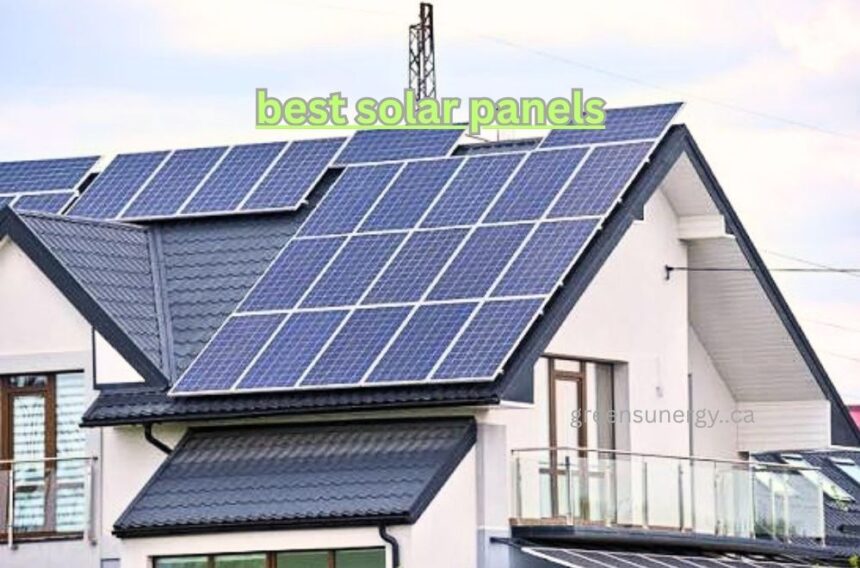
Shopping for the best solar panels can feel like reading a foreign language. Wattage, efficiency, temperature coefficients, and warranty terms all compete for attention at once. The best solar panels for one household rarely match the ideal choice for another, since roof size, climate, and budget all pull the decision in different directions.
This guide skips the jargon overload and organizes the decision by real world need instead. We will look at hot climates, small roofs, tight budgets, and long term reliability separately, since no single panel wins every category. A few practical observations from real installations are folded in throughout.
Most buyers spend hours comparing efficiency percentages that differ by a single decimal point while overlooking factors that matter far more for their specific situation. This guide tries to correct that imbalance by starting with the question that matters most, which is what a household actually needs from its roof.
What Makes the Best Solar Panels for Your Home
Finding the best solar panels starts with knowing which factors actually matter for a specific roof. Efficiency, temperature performance, and warranty length carry far more weight than brand name recognition alone.
Efficiency rating measures how much sunlight becomes usable electricity. Panels sitting in the low twenty percent range now represent mainstream quality, while premium models push past twenty three percent.
A single percentage point of efficiency might look trivial on a spec sheet, but it compounds meaningfully across a quarter century of daily production. Homeowners with generous roof space can sometimes offset a lower efficiency panel with a larger total array, while tighter roofs cannot make that same trade.
Build quality also separates strong panels from mediocre ones. A well engineered panel resists hail, wind, and years of thermal cycling without meaningful output loss, which matters just as much as any number on a spec sheet.
Frame design plays a bigger role in this durability than most buyers realize. A reinforced aluminum frame handles snow load and wind pressure noticeably better than a thin budget frame, even when the internal cell technology is otherwise identical between two competing products.
Understanding Efficiency and Technology
Monocrystalline cells remain the residential standard, prized for compact size and strong output per square foot. Most panels considered among the best solar panels today rely on this cell structure in some form.
N type TOPCon technology has rapidly overtaken older PERC designs across the industry. This newer cell architecture reduces electrical resistance and performs more consistently in low light conditions.
Manufacturing costs for this technology have dropped considerably as adoption scaled up across the industry. What began as a premium feature just a few years ago now appears on the majority of new panels sold at nearly every price point.
Heterojunction technology sits at the premium end of the market. It blends crystalline silicon with thin film layers, often delivering the strongest heat tolerance available on the market today. Reviewers ranking the best solar panels each year consistently place this technology near the top of premium lists.
Best Solar Panels for Hot Climates
Homes in consistently hot regions need the best solar panels with strong temperature coefficient ratings. A lower coefficient means output drops less as panel surface temperature climbs during summer afternoons.
Heterojunction and back contact designs typically perform best under sustained heat. These technologies lose noticeably less output at high temperatures compared to older panel structures still common in budget product lines.
Roof surface temperature itself deserves consideration too, separate from ambient air temperature. Dark roofing materials in sun exposed regions can push panel temperatures well above the surrounding air, making a strong temperature coefficient even more valuable than the spec sheet alone might suggest.
Homeowners in desert or high UV regions should prioritize this specification above almost everything else. A panel with excellent efficiency on paper can still underperform in practice if its temperature coefficient is weak.
Ventilation gaps beneath the mounting racking can also influence real world heat buildup. A slightly larger air gap between the panel and roof surface allows better airflow, which helps dissipate heat and preserve output during the hottest stretches of summer.
Best Solar Panels for Small Roofs
A compact roof changes the entire calculation for choosing the best solar panels available. Higher efficiency models produce more total energy from fewer panels, which matters enormously when space is limited.
Back contact panels currently lead this category, since their cell design eliminates visible grid lines and pushes efficiency past twenty four percent in some models. Fewer, more powerful panels can match the output of a larger array using older technology.
Homeowners with steep or oddly shaped roofs benefit especially from this approach. Fitting fewer high output panels into an irregular space is often easier than squeezing in more lower efficiency units.
Weight also becomes a consideration on older roof structures. High efficiency panels sometimes weigh slightly more per unit, so confirming roof load capacity with a structural assessment prevents complications later in the installation process.
Best Solar Panels on a Budget
Not every household needs the absolute top tier option to see real savings. The best solar panels on a budget usually come from established Tier one manufacturers using proven TOPCon technology rather than cutting edge premium designs.
Price gaps between budget and premium panels have narrowed significantly in recent years. A budget panel producing slightly less annual output can still deliver excellent long term value, especially paired with a strong warranty.
Avoiding unknown or unrated manufacturers matters more than chasing the lowest sticker price. A panel with no verifiable track record carries real risk, even if the upfront cost looks appealing.
Financing terms can shift the overall value picture significantly. A slightly pricier panel paired with favourable financing sometimes beats a cheaper option financed at a higher interest rate, so it pays to compare total cost rather than sticker price alone.
Read more about Emergency Power
Warranty and Reliability Factors
Warranty length reveals a great deal about manufacturer confidence. Standard coverage today runs twenty five years, while premium brands increasingly stretch product and performance warranties toward thirty or forty years.
Degradation rate deserves close attention alongside warranty length. Older panel designs lost around half a percent of output annually, while newer technology has pushed that figure below a quarter percent per year in many cases.
Independent testing data matters more than manufacturer claims alone. Third party reliability scorecards track real world failure rates across brands, offering a far more objective picture than marketing materials ever could. These scorecards are often the most reliable way to separate genuinely the best solar panels from ones that simply market themselves well.
Read more about: solar energy light pole
Cold Climate and Winter Performance
Cold weather actually benefits electrical efficiency in most solar cell technologies, since resistance drops as temperature falls. This slightly offsets the shorter daylight hours common during winter months in northern regions.
TOPCon and heterojunction panels both perform reliably in cold climates, provided the mounting hardware and inverter equipment are rated for the region’s specific temperature swings. Voltage behavior in extreme cold deserves particular attention during system design. Panel voltage rises as temperature drops, and inverters must be sized correctly to handle this shift safely during the coldest mornings of the year.
Snow load tolerance is a separate but related consideration. Panels rated for higher front load pressure hold up better under heavy accumulation common across many northern winters. Buyers in snowy regions should weigh this rating just as heavily as efficiency when picking the best solar panels for their home.
Making Your Final Decision
Choosing among the best solar panels ultimately comes down to matching technology to real conditions rather than chasing the single highest efficiency number available. Climate, roof size, and budget should each carry weight in the final decision.
Requesting multiple written quotes helps clarify which options truly fit a specific situation. Comparing efficiency, temperature coefficient, warranty length, and price side by side prevents costly assumptions based on marketing alone.
Site specific factors like shading, orientation, and roof angle should factor into every comparison too. Two identical panels can produce noticeably different results depending entirely on where and how they sit on a particular roof.
A trusted local installer can translate these specifications into a practical recommendation. Real installation experience in a specific climate often reveals performance details that a spec sheet alone cannot fully capture. This real world insight often matters more than any online ranking when picking the best solar panels for a specific address.
Final Thoughts
Finding the best solar panels means balancing efficiency, climate suitability, and budget rather than chasing a single universal winner. No brand or technology dominates every category equally.
Anyone comparing the best solar panels available today should request several quotes, check independent reliability data, and match panel technology to their specific roof and climate. A thoughtful comparison now leads to decades of quiet, reliable savings.
Frequently Asked Questions
What efficiency should I look for in the best solar panels?
Look for efficiency between twenty and twenty three percent for mainstream options, with premium back contact models reaching above twenty four percent.
Are the best solar panels always the most expensive option?
Not necessarily. Many mid tier panels from established manufacturers deliver excellent long term value without the premium price tag of top tier brands.
Do the best solar panels perform differently depending on climate?
Yes. Hot climates benefit from strong temperature coefficients, while cold climates benefit from panels and inverters specifically rated for extreme temperature swings.
How long should warranties last on top rated panels?
Look for at least twenty five years of coverage, with several premium manufacturers now extending warranties to thirty or forty years.