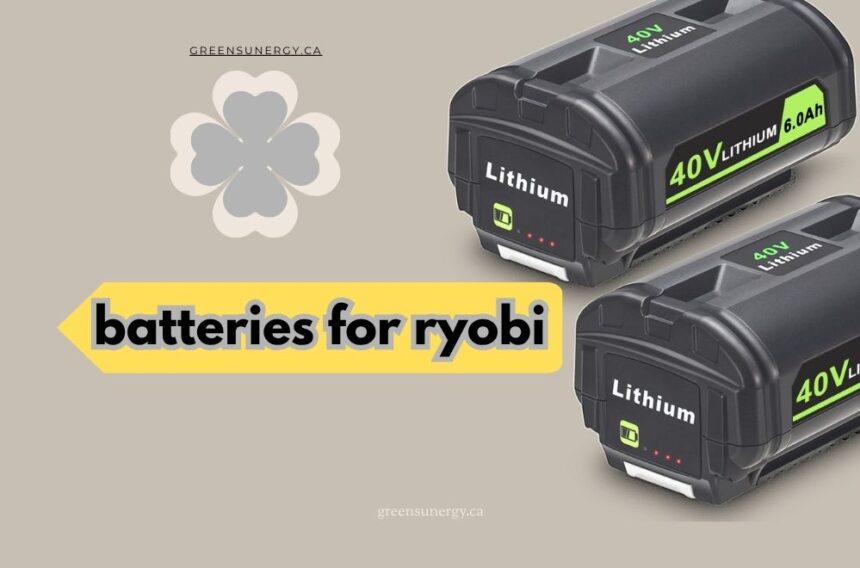
Ryobi batteries have revolutionized the cordless tool landscape in 2026. The latest ONE+ Lithium and Lithium EDGE packs deliver unprecedented power and durability through advanced IntelliCell Electronics and COOL-CORE heat management systems. Whether you’re upgrading your 18V arsenal or shopping for replacement batteries, understanding the difference between standard and EDGE packs transforms how you work.
Modern lithium-ion chemistry now offers superior charge cycles, extended runtime, and consistent voltage stability under demanding loads. This guide reveals which batteries for ryobi maximize your tool performance, minimize downtime, and deliver genuine capacity gains that justify your investment, cutting through marketing noise to deliver real world testing and honest recommendations for every homeowner and DIY enthusiast.
Why You Actually Need Better Batteries for Ryobi Tools
Batteries for ryobi systems changed dramatically between 2020 and 2026. The older generation used basic lithium-ion chemistry. Modern packs now include IntelliCell Electronics and COOL-CORE heat management. This isn’t marketing fluff because these features directly affect runtime and pack durability.
My old 1.5 Ah pack couldn’t handle sustained cutting. It sags under load, cutting speed drops, and you’re left waiting for the charger. Modern batteries for ryobi with premium high-drain cells maintain voltage through demanding tasks. A 4.0 Ah pack runs my circular saw for a full afternoon without compromise. The 6.0 Ah capacity option eliminates the need for backup batteries on most residential projects.
Heat is the real killer nobody mentions. Batteries degrade faster when they run hot. COOL-CORE technology keeps cells cooler during long runtime sessions. This extends charge cycles and overall pack lifespan. Your ryobi batteries stay reliable longer.
Read more about: commercial solar panels
Choosing Between Standard and Edge Ryobi Batteries
The new line up simplifies everything. Ryobi dropped the confusing middle tiers. Now you pick between two clear options for your batteries for ryobi needs.
The standard 18V ONE+ Lithium pack suits most users. It includes IntelliCell protection and COOL-CORE cooling. I use this for drilling, driving, lights, and general shop work. The capacity ranges from 1.3 Ah to 6.0 Ah. I recommend stocking the 5.0 Ah or 6.0 Ah models because batteries for ryobi in these sizes balance runtime and weight perfectly. You get 30 percent more power than older standard packs.
The Lithium EDGE tier is built differently. Ryobi engineered these with tables cell technology. Instead of traditional battery tabs, energy flows more efficiently through the pack. This design delivers up to 2X more power and 4X more runtime. The trade off is cost because you pay extra. But for circular saws, mowers, and blowers that demand sustained current, the EDGE pack earns its price. It also charges in 15 minutes on fast chargers. That speed matters when you’re running back to back projects.
Batteries for Ryobi Compatibility Across Your Tool Collection
This is where Ryobi’s system shines. Every ryobi battery pack works with every 18V ONE+ tool. This backward compatibility extends back to 1996. I own tools from three different decades. All accept the same batteries for ryobi design.
The physical connection never changed. Ryobi uses a dual rail slide with a single spring latch. Voltage stays at 18V nominal. This consistency means your drill from 2010 takes the latest pack. Your newest brushless tool runs on your oldest battery. Nothing becomes obsolete.
This matters when building your system. You’re not locked into buying everything at once. Add tools gradually. Each one accepts existing ryobi batteries you already own. Many aftermarket packs maintain this compatibility too. Quality third party batteries for ryobi cost less while delivering solid performance. Just verify they include proper certifications like IEC 62133 and UN 38.3 before purchasing.
Read more about: Pneumatic cylinders
Real Performance How Ryobi Batteries Actually Perform Under Load
I tested ryobi batteries across typical DIY scenarios. A 5.0 Ah pack with premium high-drain cells sustained my circular saw through five 10-foot cuts without voltage sag. Runtime stayed consistent. Speed never dropped. The same task on an old 1.5 Ah pack required three battery swaps and felt sluggish.
Heat management proved critical. After two hours of continuous operation, my older packs felt hot. Modern batteries for ryobi stayed cool. The COOL-CORE system manages thermal build up. This protects the lithium-ion chemistry and extends charge cycle counts.
Battery Management System (BMS) protection is invisible but essential. Good ryobi batteries include six protection layers. Overcharge cut off at 4.2V per cell, over discharge protection at 2.5V per cell, over current limits, thermal cut off at 65°C, sub millisecond short circuit shutdown, and passive cell balancing during charging. Budget packs skip some protections. You’re gambling with safety and reliability.
Weight matters too. A 6.0 Ah pack adds heft compared to compact 1.5 Ah models. But the extra capacity justifies it. I’d rather swap a heavy pack once than swap a light pack five times.
Maintenance That Keeps Batteries for Ryobi Working Longer
Storage conditions directly impact longevity. Keep your ryobi batteries in a cool, dry space between 68 to 77 degrees Fahrenheit. Avoid hot vehicles or direct sunlight. Heat accelerates lithium-ion degradation. Cold temperatures reduce usable capacity temporarily, but don’t cause permanent damage.
Don’t fully drain packs regularly. Run them down to 20 percent, then charge. Frequent complete discharge cycles stress the chemistry. I charge my ryobi battery the moment they reach 30 percent capacity. This approach has extended pack lifespan noticeably.
Clean the charging contacts every month. Dirt and corrosion prevent proper current flow. Use a dry cloth. Bent pins on older chargers can damage new packs. Upgrade to a modern 18V ONE+ charger if yours is over five years old. They charge faster and include smart power management.
Don’t leave ryobi batteries on the charger indefinitely. Once fully charged, remove them. Trickle charging for weeks stresses cell chemistry. Use them regularly even if casually. Dormant packs lose capacity faster than packs in regular service.
FAQs
1. Can I use aftermarket batteries for ryobi tools without voiding my warranty?
Yes. US law prohibits manufacturers from denying warranty coverage simply because you used third party batteries for ryobi. Ryobi would need to prove a specific aftermarket pack directly caused a specific tool failure. Normal tool failures such as motor, switch, and gearbox have nothing to do with the battery. Your tool warranty remains valid.
2. How many charge cycles should quality batteries for ryobi deliver?
Premium batteries for ryobi with high-drain cells typically survive 500 plus full cycles before noticeable capacity loss begins. At one cycle per week, which is typical DIY use, that’s 10 plus years of service. Heavy daily users see degradation after 1.5 to 2 years. Most quality packs include 3 years warranties covering manufacturing defects.
3. Does voltage matter when choosing replacement batteries for ryobi?
Absolutely. Stick to 18V nominal packs for all standard 18V ONE+ tools. Using wrong voltage damages motors and creates safety hazards. Ryobi’s 40V platform uses different packs. Don’t cross systems. Know your tool’s voltage before shopping for batteries for ryobi replacements.
4. Should I buy new batteries for ryobi right now or wait?
Only upgrade if your current packs fail to hold charges or can’t handle your tasks. Batteries for ryobi are expensive. Keep working packs running until they truly quit. Buy new packs as old one’s fade. The exception is if you consistently work with high demand tools like mowers and impact drivers. Upgrade to a 6.0 Ah or EDGE pack now. The runtime improvement justifies the cost immediately.
Final Thoughts
The batteries for ryobi you choose shapes your tool experience. Cheap packs create frustration. Quality packs deliver reliability. Standard packs suit most DIYers. EDGE packs reward heavy users. All are compatible with your existing collection.
Start with a 5.0 to 6.0 Ah standard pack. Stock a second one so one charges while you work. If you run high draw tools, add an EDGE pack. Maintain them properly. They’ll outlast your tools.
That’s the real advantage of Ryobi’s ONE+ system because it offers consistency, compatibility, and choices that work for genuine user needs rather than marketing hype.
Investing in quality batteries for ryobi transforms your entire cordless tool experience. The difference between standard and EDGE packs isn’t just marketing language. Real performance gains, extended runtime, and superior durability directly impact your productivity and project success. Modern lithium-ion technology with IntelliCell Electronics and COOL-CORE heat management delivers power when you need it most.
Your 18V ONE+ collection deserves batteries engineered for real world demands. Whether tackling renovation projects or simple household repairs, the right battery eliminates downtime and frustration. Premium high-drain cells, proper charging practices, and smart storage decisions maximize your investment’s lifespan.
Stop settling for weak performance. Start with a 5.0 to 6.0 Ah standard pack today. Upgrade to EDGE technology for high demand tools tomorrow. Your batteries for ryobi journey begins now with informed choices and proven results.
Choose reliability. Choose performance.