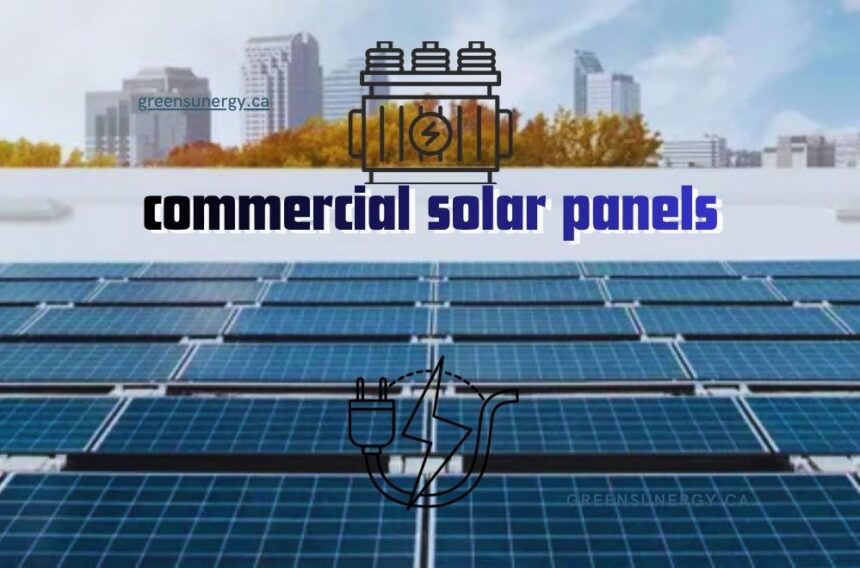
In today’s competitive business landscape, commercial solar panels represent far more than an environmental statement. They’re a strategic financial move that protects your company’s future. Rising utility costs and unpredictable energy expenses drain business budgets annually. Smart business leaders are seizing control by investing in commercial solar panels—transforming how their facilities generate electricity and manage operational costs.
Solar energy systems deliver immediate cost savings, strengthen energy independence, and boost property valuations simultaneously. Whether you operate a manufacturing facility, office building, or retail space, commercial panels unlock genuine competitive advantages. The technology has matured. Installation processes have streamlined. Financial incentives have improved dramatically. This comprehensive guide reveals everything decision-makers need to know about solar technology, battery storage solutions, ROI timelines, and long-term energy resilience strategies that transform your bottom line.
Making the Smart Move: Why Commercial panels Matter More Than Ever
Commercial solar panels have become essential for forward-thinking business owners. The decision to invest in commercial solar panels is no longer just about environmental responsibility. It’s about protecting your bottom line and future-proofing your operations against rising energy costs. I’ve worked with hundreds of facility managers over the past several years. One thing stands out: businesses that act on commercial panels gain competitive advantage. Those that wait risk falling further behind on energy costs.
This article breaks down why commercial solar panels deserve your immediate attention, how they work in real business settings, and what you need to know before moving forward.
Understanding the Real Economics Behind Commercial Solar Panels
Commercial panels deliver impressive financial benefits. But most business owners don’t fully understand how these returns actually work.
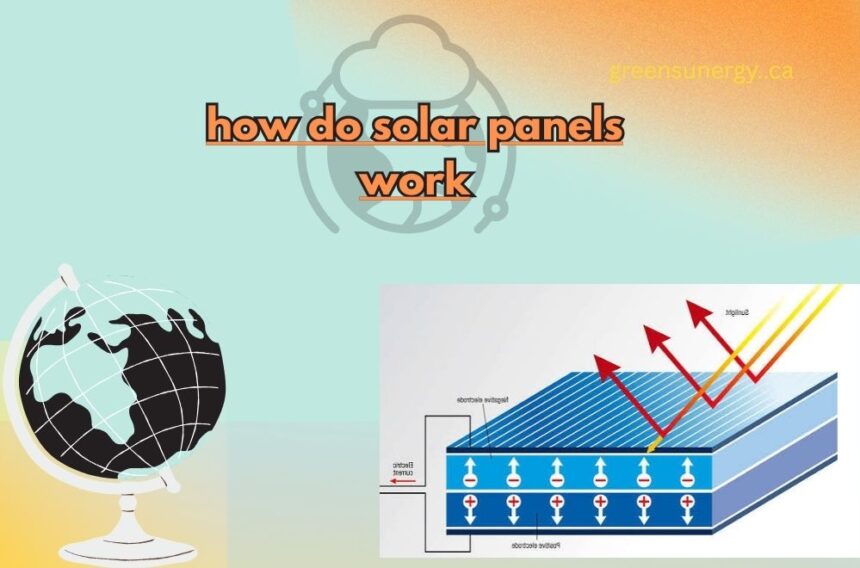
Let’s start with the basics. Commercial solar panels can convert sunlight into electricity. This solar energy offsets what you buy from your utility company. The difference shows up in lower utility bills. Cost savings typically range from 50% to 80% of your electricity expenses, depending on your location and roof space.
The investment itself breaks down simply. Commercial panels, along with the mounting system, inverter, and installation costs, typically range from $2.50 to $3.50 per watt. A 50-kilowatt system runs between $125,000 and $175,000 before any incentives. Your ROI timeline usually falls between 5 to 8 years. After that, energy is essentially free for the next 20-25 years of your system’s life.
Read more about: artika solar string lights
How Commercial panels Transform Your Energy Strategy
Commercial solar panels don’t just reduce bills. They transform how your facility uses energy overall. This shift matters more than most people realize.
Your consumption curve changes when you generate your own power. Peak usage typically occurs during midday hours—exactly when commercial solar panels produce maximum electricity. This alignment is powerful. You use the energy your panels generate immediately, avoiding expensive peak-demand charges from utilities. Reducing these demand charges often provides more savings than the actual electricity generated.
Energy resilience improves significantly. Paired with battery storage, commercial panels provide backup power during outages. This reliability is invaluable for data centres, hospitals, manufacturing facilities, and other mission-critical operations. Your business doesn’t halt because the grid went down. You keep operating with your stored solar energy.
The Technical Side: Making Commercial solar panels Work Perfectly
Commercial solar panels require proper engineering to perform optimally. Generic systems underperform. Custom-designed systems aligned with your building’s specific needs deliver superior results.
System design involves careful analysis. Engineers examine your historic energy usage data. They review your facility’s power generation needs during different times of day and seasons. They assess roof space, structural capacity, and shading patterns. They select appropriate equipment sizes and configurations.
Grid integration deserves special attention. Your local utility requires proper interconnection. They need to ensure your system doesn’t damage grid capacity or create voltage problems. Working with experienced teams prevents expensive delays and rejection letters. Many projects fail during permitting because initial installation planning overlooked these technical requirements.
Read more about: market insights
Tax Credits and Incentives for Commercial Panels
The financial case for commercial solar panels improved dramatically with recent tax credits. The federal Investment Tax Credit (ITC) currently covers 30% of project costs for systems installed through 2032. That 30% credit is substantial. On a $150,000 project, you receive a $45,000 tax credit. This dramatically shortens your ROI timeline. Your investment drops to $105,000, and payback accelerates to under 5 years in most cases.
Additional incentives vary by location. Some states offer rebate programs. Utilities sometimes provide performance-based payments. A few areas have renewable energy mandates that increase electricity rates, making solar energy even more financially attractive by comparison.
Don’t rely solely on incentives. The underlying energy economics support commercial panels even without government support. Incentives simply improve an already solid investment.
Commercial solar panels Plus Battery Storage: The Ultimate Combination
Battery storage represents the evolution of commercial solar panels. Storing excess solar energy generated during peak daylight hours creates several advantages.
Energy arbitrage becomes possible. You store cheap daytime solar power. You use it during evening hours when utility rates spike. This strategy cuts bills even further. Peak shaving—reducing demand charge spikes—works better with storage. Your system can discharge stored energy precisely when peak demand occurs, avoiding expensive demand charges.
Resilience improves dramatically. Solar-only systems can’t operate during night time grid outages. Battery storage systems power critical loads all night. Hospitals, data centres, and other sensitive operations gain tremendous reliability advantages.
The cost of battery storage has fallen sharply. Systems that cost $500 per kilowatt-hour five years ago now cost $150-200 per kilowatt-hour. This trend makes battery storage increasingly attractive for more business types.
Maintenance and Long-Term Operations
Commercial solar panels require minimal maintenance. Unlike mechanical equipment, panels have no moving parts. They simply sit on your roof generating electricity for decades.
Routine O&M (Operations & Maintenance) involves occasional cleaning to remove dust, pollen, or debris. Inverters need monitoring to ensure proper function. Electrical connections need periodic inspection. Professional maintenance teams handle these tasks, typically costing $150-300 annually for commercial systems.
Performance monitoring systems track output continuously. If your system underperforms, you know immediately. Most issues get resolved quickly. Panels typically degrade only 0.5% annually, meaning a 25-year-old system still operates at 87% of original capacity.
Frequently Asked Questions About Commercial Solar Panels
Q1: How long do solar panels actually last?
Solar panels typically last 25-30 years. Most manufacturer’s warranty panels for 25 years at 80% output. Quality panels actually last longer. Real-world data shows 30-year-old commercial panels still generating power reliably. Inverters need replacement around year 15-20. Battery storage systems last 10-15 years. Planning for these component replacements ensures your solar energy system functions reliably for decades.
Q2: What happens to my solar system when the grid goes down?
Without battery storage, most commercial solar panels shut down during grid outages. Safety regulations require this. The inverter must verify grid voltage before operating. This prevents back feeding dangerous electricity into utility lines where workers might be repairing damage. Commercial panels paired with battery storage operate independently. They can power your facility all night, maintaining energy resilience during extended outages.
Q3: Can commercial solar panels work if my roof isn’t south-facing?
Commercial solar panels work on any roof orientation, but south-facing produces maximum output. East and west-facing roofs produce 85 to 90% of south-facing output. North-facing roofs produce only 60-70%. Multiple roof orientations can host commercial solar panels successfully. Ground-mounted systems offer another option for businesses with available land. Experienced installation teams maximize output given your specific roof conditions.
Q4: What if I expand my business after installing commercial panels?
Commercial solar panels systems are expandable. You can add panels to existing electrical infrastructure. Your inverter might accommodate additional capacity. More likely, you’ll add a second inverter to handle expansion. This modularity lets businesses grow without replacing entire systems. Planning for future expansion during initial installation design keeps upgrade costs reasonable.
Making Your Commercial solar panels Decision
Commercial panels represent one of the most straightforward business investments available. The ROI is predictable. The technology is mature. Incentives improve the financial case. Renewable energy solutions provide genuine competitive advantages.
The only real risk is waiting. Energy costs keep rising. Grid capacity in many areas fills quickly, limiting future installation opportunities. The investment tax credit expires gradually. Early movers lock in current economics and capture immediate benefits.
Your next step is simple. Contact experienced solar energy providers. Discuss your specific facility’s energy needs. Get real numbers showing projected cost savings and ROI. Let the financial case speak for itself. Commercial panels deliver results.