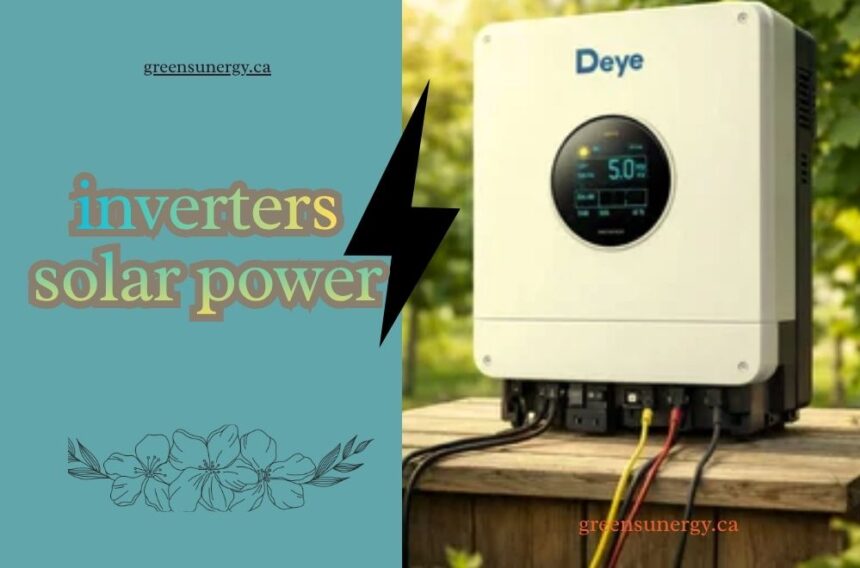
The inverters solar power technology landscape has transformed dramatically in 2026. Modern inverters solar power systems now deliver smarter power conversion and unprecedented energy production rates. Whether upgrading or installing new equipment, mastering inverters solar power ensures maximum system efficiency and power output. This comprehensive guide explores how advanced inverters solar power technology converts DC electricity into usable AC power, optimizing your solar energy system while eliminating energy losses and multiplying long-term financial returns. Take control today—master inverters solar power and dominate your energy independence.
Ready to transform your home energy? Understanding Inverters Solar Power is the first step toward maximum savings and system performance.
Why Your Inverters Solar Power System Needs Proper Maintenance
I’ve spent years working with solar power systems across different climates and installation types. One truth stands out: most homeowners install their solar inverters and forget about them. This is a costly mistake. Your inverters solar power system is the heart of your installation. It deserves attention and care.
Think of your solar inverter like the engine in your car. You wouldn’t ignore an engine. Yet people ignore the critical component that converts DC electricity into usable AC power. Without proper maintenance, your solar power setup loses efficiency quietly. You might not notice until your energy bills stop dropping as expected.
I want to share what I’ve learned. Proper maintenance of your inverters solar power technology can add years to its lifespan and boost your daily energy production significantly.
Common Mistakes That Damage Inverters Solar Power Performance
Installation Errors Nobody Talks About
Bad installation habits destroy solar inverter performance before problems appear. The first mistake is poor placement. Most installers mount inverters in direct sunlight. Heat stress causes power inverters to derate, meaning they reduce output when you need it most. On hot days, your solar system may operate at 80% capacity instead of 100%.
I once inspected a residential installation where the inverter sat in afternoon sun. During peak generation hours (2-4 PM), the system throttled back automatically. The homeowner lost roughly 15% of potential power production yearly. Moving the solar inverter to a shaded location recovered that loss immediately. Don’t let inefficiency drain your solar investment. Master Inverters Solar Power today and watch your energy production soar.
Ventilation around your solar inverter matters more than most people realize. Poor airflow forces the device to work harder. The internal fans struggle to cool components. Over time, this accelerates wear on capacitors and circuit boards. Your solar power system becomes less reliable.
Read More About: Technology
Electrical Connection Problems
Loose connections are silent killers of inverters solar power systems. DC connections between panels and the inverter can loosen over time due to vibration and thermal cycling. When connections aren’t tight, resistance increases. Resistance generates heat. Heat reduces system efficiency and shortens component lifespan.
I’ve seen loose connections cause voltage drops that the solar inverter compensates for automatically. This compensation work stresses internal circuits unnecessarily. The device works harder to deliver the same power. Your solar panel system produces electricity, but the power converter struggles to process it efficiently.
AC connections to your home’s electrical panel also require attention. Corroded breaker connections prevent your solar power from flowing properly into your home. You lose free electricity.
Optimizing Inverters Solar Power for Maximum Daily Output
Understanding Your System’s Real Potential
Most people never learn how their solar inverter actually works. The device has a feature called Maximum Power Point Tracking. This technology constantly adjusts voltage and current to squeeze maximum energy from your panels. But it can only work if your system is installed correctly.
Shading destroys MPPT performance. Even small shadows across one panel reduce the whole string’s output. String inverters can’t compensate for this problem effectively. Each covered panel drags down the entire group’s power production. One shaded panel might reduce your morning output by 20-30%.
I recommend checking your roof seasonally. In winter, nearby trees may create shade where sunlight reached in summer. In spring, that shade disappears. Understanding your seasonal shading patterns helps you predict monthly energy generation. Your solar system’s real performance depends on this awareness.
Read More About: solar energy light pole
Temperature Management Extends Everything
Your solar inverter performs best at moderate temperatures. In hot climates, power inverters often overheat during peak afternoon hours. This is when your panels produce maximum electricity, but your inverter can’t process it all.
Painting roofs or using reflective coatings on nearby structures reduces heat absorption. Some installers use simple fans or shade structures. These passive cooling solutions cost $200-500 but can add 5-8% to yearly output. Over 25 years, that’s real money.
I’ve also seen installations in cold climates suffer from inadequate wintertime performance. Ice build up near the solar inverter vents restricts airflow. Cold DC connections develop higher resistance. Your solar power system produces less energy exactly when your home needs it most.
Monitoring Changes Everything
Your solar inverter transmits performance data constantly. Most manufacturers offer mobile apps showing real-time production. Many homeowners never check these apps after installation.
Start checking your production weekly. Watch for patterns. Does your system produce less on certain days? Compare weather conditions. Did clouds pass by? Did temperatures spike? This monitoring habit catches problems early.
I’ve caught failing solar inverter components six months before they completely died. Early detection allowed planned replacement during convenient times. Without monitoring, unexpected failures leave you without power for days.
Firmware Updates Matter
Your solar power inverter is actually a computer. Manufacturers release firmware updates adding features and fixing bugs. Many updates improve power conversion efficiency slightly. Older software can’t handle certain grid conditions well.
Most solar inverters update automatically if connected to Wi-Fi. Some require manual updates. Check your manufacturer’s website twice yearly. Updates are free and worth the few minutes they take. I’ve seen firmware updates boost system efficiency by 1-2%.
Annual Professional Inspections
You inspect your car annually. I recommend annual inspections of all electrical connections. Professionals use thermal imaging to spot hot connections and early component failures.
Annual inspections cost $150-300 typically. They catch problems costing thousands to fix later. Loose connections get tightened before they cause fires. Corroded components get replaced during planned maintenance, not emergency repairs.
Troubleshooting Your Inverters Solar Power Installation
When Production Drops Suddenly
Sudden output drops indicate problems. First, check for visible panel damage. Look for cracks, discoloration, or debris. Clean the panels gently with soft brushes and water. Dust and dirt reduce power production by 15-25% in dry climates.
Next, check your solar inverter display panel. Most show current production rates and any error codes. Document the codes. These help technicians diagnose problems quickly. Error codes often indicate loose connections or faulty sensors rather than dead components.
Grid Connection Issues
Grid disturbances occasionally cause your solar inverter to disconnect briefly. During these moments, your panels produce electricity you can’t use. This is rare but happens.
Most modern inverters reconnect automatically within minutes. Some older systems need manual intervention. Check your equipment manual for reconnection procedures. Understanding this helps you troubleshoot grid-related issues without panicking.
Temperature and Seasonal Patterns
Winter’s shorter days mean lower energy production naturally. Don’t panic when winter output drops 40-50% compared to summer. This is normal. Track your production monthly to understand seasonal patterns. Spring and fall typically deliver moderate output. Stop losing power. Optimize Inverters Solar Power now and reclaim the energy your system was meant to deliver.
Summer heat reduces efficiency even as daylight hours increase. Your solar inverter throttles output automatically when too hot. This protection prevents damage but reduces peak power conversion capability.
FAQs About Inverters Solar Power Systems
Q1: How often should I clean my solar panels to maintain inverter performance?
In dusty or dry climates, clean panels monthly. In humid regions with regular rainfall, annual cleaning suffices. Dust build up reduces the power your panels generate, forcing your solar inverter to work harder. Clean panels mean less stress on your inverter and better overall system efficiency.
Q2: Can a failing solar inverter be repaired, or must it be replaced?
Many solar inverter problems can be repaired. Loose connections, corroded terminals, and failed capacitors get fixed by technicians regularly. Full replacement occurs only when multiple internal components fail. Most repairs cost $300-800. Full replacement costs $2,000-6,000 depending on your system size.
Q3: What temperature range do solar inverters work best in?
Solar inverters perform optimally between 50-86°F (10-30°C). They function safely up to 122°F (50°C) but operate less efficiently at higher temperatures. Below freezing, certain components slow down. In extreme climates, consider protective installations. Garages or shaded locations extend your inverter’s lifespan significantly.
Q4: How does monitoring my inverter’s data help me save money?
Real-time monitoring shows you when your solar system underperforms. Monitoring also helps you shift high-energy activities to peak solar hours, maximizing your use of free solar power. Combined, these habits save 10-15% on electricity costs beyond your base savings from solar energy.
Final Thoughts
Your inverters solar power system works behind the scenes, quietly converting sunlight into electricity. This invisibility creates a dangerous assumption: that the system needs no attention. This couldn’t be further from the truth.
I’ve watched hundreds of installations. The best performers share one trait: regular attention from owners. Simple actions—monitoring data, checking connections, cleaning panels—keep systems running at peak efficiency for decades.
Your investment in solar power is substantial. Protecting that investment through proper inverter care is not optional. It’s your responsibility as a homeowner. Start today by checking your production data. Notice patterns. Schedule an annual inspection. These habits compound into tens of thousands in energy savings over your system’s life.
Solar technology continues improving, but the fundamentals remain unchanged. Proper installation and maintenance determine real-world performance. Take care of your solar power system, and it will take care of your energy needs for 25+ years.