100 Watt Solar Panel: Your Complete Guide to Portable Solar Power
When I first explored solar energy solutions for my remote cabin getaway, I realized that finding the right equipment made all the difference. Whether you’re living off-grid, traveling in an RV, or simply want backup power, this practical guide will help you understand everything you need to know.
Understanding 100 Watt Solar Panel Core Technology & Specifications
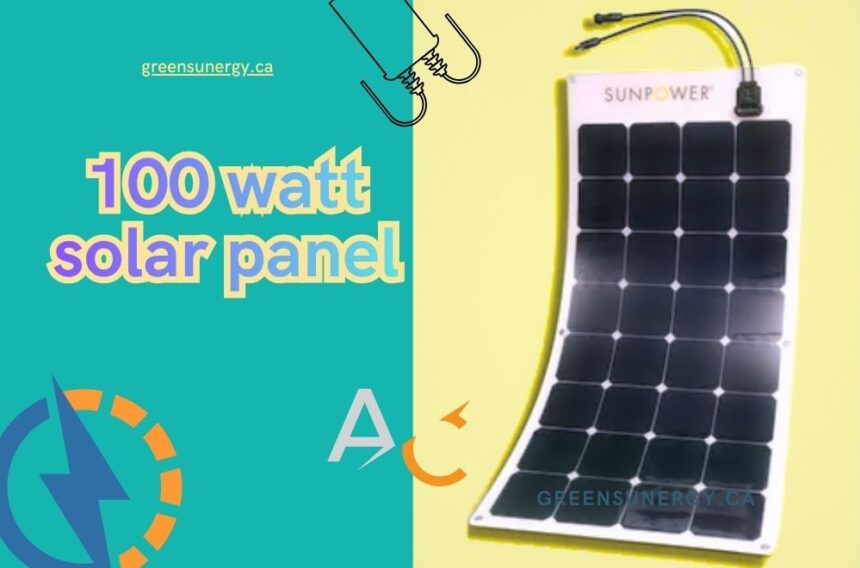
A 100 watt solar panel is a compact photovoltaic device that converts sunlight directly into electrical power. Under ideal conditions with direct sunlight, these panels generate around 100 watts of electricity. The beauty of this size lies in its balance—it’s substantial enough to power meaningful devices, yet small enough to remain truly portable. Most 100 watt solar panels use either monocrystalline or polycrystalline silicon cells. From my experience, monocrystalline options tend to deliver better efficiency in limited spaces, though they cost a bit more upfront.
The construction quality matters significantly. Look for panels with tempered glass surfaces, corrosion-resistant aluminium frames, and waterproof junction boxes. These features ensure your panel withstands harsh weather, whether you’re on a beach, mountain, or desert setting.
Read more about : Technology
Real-World Power Output and Daily Energy Production
Here’s what actually matters when you’re planning your setup: a 100 watt solar panel delivers approximately 300–600 watt-hours per day, depending on your geographic location, weather patterns, and panel angle. On a sunny day in an optimal location, you might harvest 500+ watt-hours. During cloudy periods or winter months, expect 200–300 watt-hours. This energy production changes based on season, latitude, and local climate conditions.
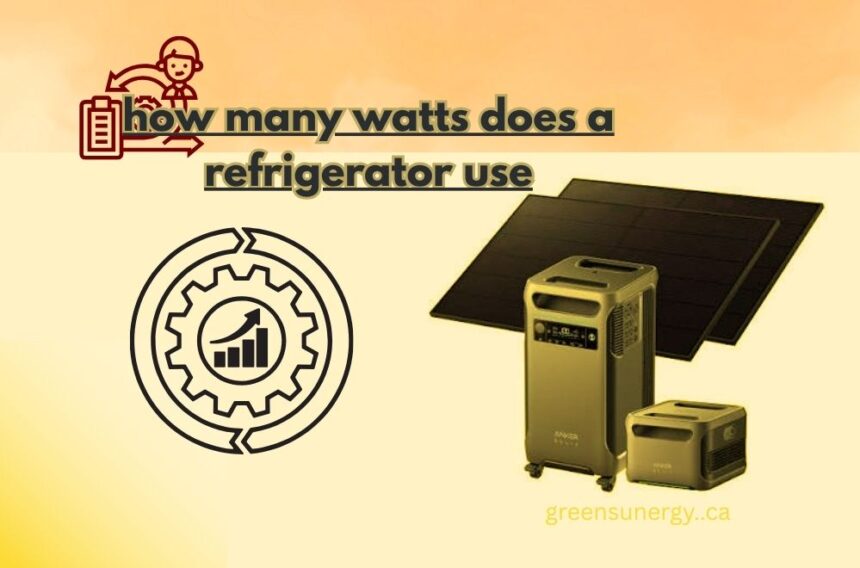
Understanding your actual power needs helps you avoid disappointment. A smartphone typically needs 10–20 watt-hours per full charge, so your panel could charge a phone 15–30 times daily under good conditions. An LED lantern consumes only 5–10 watts, making it incredibly practical for camping. A small 12V refrigerator (like those found in RVs) draws roughly 50 watts, which means you’d need favourable sunlight and decent battery storage for continuous operation throughout the day and night.
Best Applications for 100 Watt Solar Panels
The portable solar panel category is where a 100 watt solar panel truly shines. I’ve witnessed these panels transform camping trips, enable year-round van life, and provide emergency backup power when grid failures occur. Boaters and sailors rely on them to maintain battery charge while anchored, eliminating the need for loud, fuel-consuming generators. Remote cabin owners use them to power LED lighting, charge devices, and run small appliances without installing expensive infrastructure.
For off-grid living, one 100 watt solar panel serves as an entry point into energy independence. RV enthusiasts appreciate how these panels integrate seamlessly into their electrical systems. Hikers and backpackers love the weight-to-power ratio when building minimalist setups.
Read More About: solar energy light pole
Understanding Your Solar Panel Kit Components
Most quality kits include five essential elements: the 100 watt solar panel itself, a charge controller (typically 10A–20A rated), mounting brackets, solar cables with proper connectors, and often a hardware bag with fasteners. Premium packages sometimes add an inverter for converting direct current to alternating current, battery clamps, or extension cables. The charge controller serves a critical function—it regulates voltage to protect your battery from overcharging and prevents damage to your equipment.
The mounting solution should suit your application; foldable designs work beautifully for travellers, while fixed mounts suit permanent installations. Quality connectors prevent power loss and ensure safe operation.
Choosing Between Panel Types and Specifications
Monocrystalline panels occupy less physical space while delivering higher efficiency ratings—typically 18–23%. Polycrystalline versions cost less but need more area to produce equivalent power. Check the performance warranty—reputable brands offer 10–25 years of coverage, giving you long-term peace of mind.
Consider the physical characteristics matching your use case. Some panels feature built-in kickstands for angle adjustment. Others come in foldable configurations with carrying handles, perfect for nomadic lifestyles. All-black designs look more attractive on RV roofs, though white back sheets actually reduce heat-related power loss. The frame material should resist corrosion; aluminium works wonderfully for coastal environments where salt spray poses risks.
Realistic Charging Times and Battery Calculations
Charging speed depends entirely on your battery capacity and available sunlight. A practical example: charging a standard 12V 50Ah battery (600Wh capacity) requires about two days with one 100 watt solar panel receiving five full hours of direct sun daily. Cloudy weather extends this timeline significantly. Your charge controller optimizes the charging process, protecting both battery health and panel longevity.
Different battery types charge differently. Lithium systems accept faster charging rates than traditional lead-acid options. If you’re building an emergency power system, pair your 100 watt solar panel with appropriately sized storage—at minimum, a 100Ah battery gives you flexibility and reliability during extended cloudy periods.
Maximizing Performance Through Proper Installation
Position your solar panel to receive unobstructed, direct sunlight throughout the day. Even partial shade reduces output dramatically—a single shadow reduces total power by 20–30% due to how these systems work at the cell level. Adjust the tilt angle seasonally or geographically; generally, angles matching your latitude produce optimal results year-round. Keep the surface clean—dust, pollen, and bird droppings reduce efficiency by 10–25%.
Proper ventilation behind your panel matters too. Allow airflow to prevent heat build up, as elevated temperatures reduce power output by approximately 0.5% per degree Celsius above 25°C. Use sturdy, corrosion-resistant mounting brackets rated for your climate’s wind speeds. Secure all cables properly and use weatherproof connectors designed for outdoor installation.
Realistic Limitations You Should Understand
A 100 watt solar panel simply cannot run high-consumption devices like microwaves, space heaters, or air conditioning units. These appliances demand 1000+ watts continuously—far beyond what this equipment provides. Toaster ovens, electric kettles, and similar devices remain off-limits. Television running requires careful power management and adequate battery storage. Understanding these constraints prevents frustration and dangerous equipment damage from insufficient power delivery.
When your energy demands grow, consider connecting multiple panels in parallel or series configurations. Many successful off-grid systems combine four or six 100 watt solar panels for reliable whole-home power. Alternatively, upgrade to higher-wattage panels (200W, 300W, or more) as your needs evolve.
FAQs About 100 Watt Solar Panels
Can a single 100 watt solar panel truly power an entire household?
Realistically, no. A single 100 watt solar panel generates 300–600Wh daily—most modern homes need 20–30kWh daily. You’d need 40–100 panels for complete household independence. However, it’s perfect for supplementing grid power, powering an off-grid cabin, or running a van’s essential systems alongside battery storage.
How many years will a 100 watt solar panel remain functional?
Quality panels last 25–30 years with minimal degradation. Most degrade only 0.5% annually, meaning after 25 years, a panel operates at roughly 87% of original capacity. Better brands offer solid warranties (10–25 years) protecting your investment against manufacturing defects and premature failure.
What’s the actual cost difference between monocrystalline and polycrystalline options?
Monocrystalline 100 watt solar panels typically cost $100–180, while polycrystalline versions range from $80–130. That premium pays dividends through better efficiency, superior temperature tolerance, and longevity. For stationary installations where space isn’t constrained, polycrystalline offers decent value. For portable applications or limited-space scenarios, monocrystalline delivers better long-term performance.
Do I really need a charge controller with my 100 watt solar panel?
Absolutely. Without a charge controller, excess voltage damages your battery and shortens its lifespan dramatically. Modern MPPT charge controllers even optimize power transfer, recovering 10–20% more usable energy compared to basic PWM models. This investment protects your entire system and ensures reliable power output for years.
Making Your Decision
After years of working with various solar setups, I can confidently say that a 100 watt solar panel represents genuine value for specific applications. It’s not a complete solution for everyone, but for camping enthusiasts, RV travellers, cabin dwellers, and emergency preparedness, it’s genuinely transformative.
Choose your panel based on your actual lifestyle and energy needs. together seam The most expensive option isn’t always best—a mid-range 100 watt solar panel from an established brand often outperforms budget alternatives significantly.
Your journey toward sustainable, independent power begins with understanding what this equipment can realistically deliver. Start small, learn your system thoroughly, and expand when you’re confident in your setup. Solar