Solar Batteries: A Complete Guide to Choosing the Best Energy Storage System
If you’ve invested in solar panels or you’re planning to you’ve probably already run into the same question everyone eventually asks: what happens to all that energy when the sun isn’t shining? That’s where solar batteries come in. They’re quickly becoming one of the most important parts of any home solar setup, whether you’re off-grid, on-grid, or somewhere in between.
This guide covers everything you need to know about solar batteries: how they work, the different types available, what actually matters when choosing one, and answers to the questions people ask most.
What Solar batteries are?
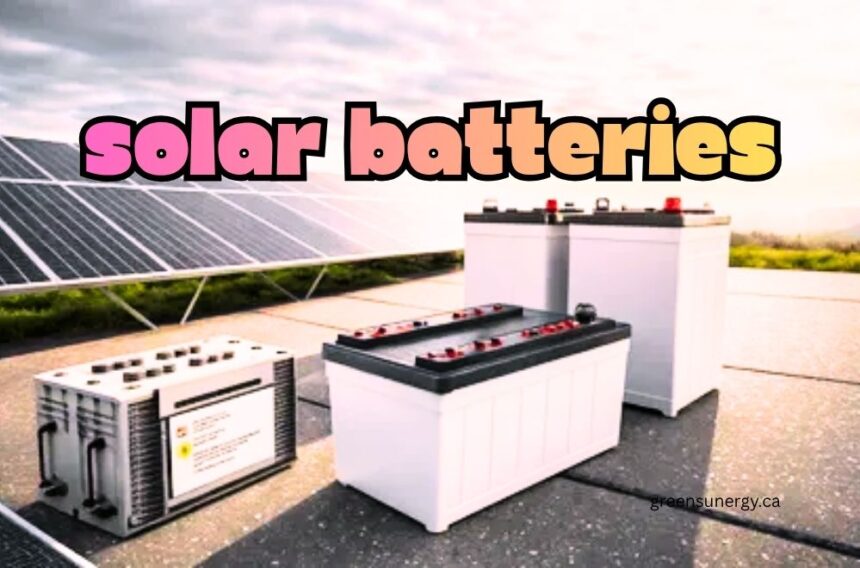
Solar batteries can store the electricity through your solar panels so you can use it later. Instead of sending every kilowatt-hour straight to your appliances (or back to the utility), a battery bank holds onto extra energy and releases it when you actually need it.
In this regard:
- Off-grid cabins and remote homes
- Full-time off-grid living
- RVs and mobile solar systems
The basic idea is the same everywhere: capture energy while it’s available, use it when it’s not.
How Grid-Tied Solar batteries Work
If your home is connected to the utility grid, a solar battery gives you more control over when you use solar power versus grid power. During the day, excess solar production charges the battery instead of (or in addition to) exporting to the grid. At night, or during peak-rate hours, your home can draw from the battery instead of buying expensive grid electricity. During an outage, a properly configured battery system can keep essential circuits running.
Read more about Doge Software
How Off-Grid Solar batteries Work
For systems that aren’t connected to utility power at all, batteries aren’t optional — they’re the backbone of the whole system. Since there’s no grid to fall back on, the battery bank has to store enough energy to get you through the night, through cloudy days, and through whatever gaps exist between sunny stretches.
Types of Solar Batteries
Not all solar batteries are built the same way, and the right choice depends on your budget, how much maintenance you’re willing to do, and how hard you plan to use the system.
Lithium-Ion (LiFePO4) Batteries
Lithium iron phosphate batteries are the most common choice in newer solar installations, and for good reason. They offer long cycle life, fast charging, minimal maintenance, and strong safety characteristics compared to other lithium chemistries. They tend to be the go-to option for:
- Frequent daily cycling
- Full-time off-grid systems
- RV and mobile setups
AGM (Absorbent Glass Mat) Batteries
AGM batteries are a sealed, low-maintenance type of lead-acid battery. They’re less expensive upfront than lithium but don’t last as long or perform quite as efficiently. They’re a solid fit for seasonal cabins, moderate-use systems, or backup setups where a sealed design is preferred.
Read More About Xlecz
Flooded Deep-Cycle Batteries
The traditional choice for off-grid systems, flooded lead-acid batteries are typically the cheapest option upfront. The tradeoff is regular maintenance checking water levels and keeping an eye on the cells but with proper care they can still deliver reliable performance for larger battery banks.
Expandable And Modular Soller Batteries Systems
Many newer solar batteries systems are designed to grow with you. Instead of buying all your storage capacity upfront, modular batteries let you start smaller and add capacity later as your energy needs increase a useful option if you’re not sure exactly how much storage you’ll eventually want.
Benefits of Solar Batteries
The advantages of adding battery storage to a solar system generally fall into three buckets:
Backup power. When the grid goes down, solar batteries can keep your essentials running lights, refrigeration, medical equipment, Wi-Fi without needing a generator.
Energy independence. Rather than sending every extra kilowatt-hour back to the utility, you get to decide when and how your own solar power gets used.
Cost savings. In areas with time-of-use electricity rates or changing net metering rules, storing your own energy and using it during expensive peak hours can meaningfully lower your utility bill over time.
How to Choose the Right Solar Battery
Picking a battery is about matching the battery to how you’ll actually use your system. Here’s what to weigh:
- Battery chemistry: Lithium, AGM, or flooded lead-acid — each has different lifespans, maintenance needs, and upfront cost.
- System voltage: Most residential and off-grid systems run on 12V, 24V, or 48V configurations.
- Storage capacity: Measured in amp-hours (Ah) or kilowatt-hours (kWh), this determines how much energy you can store and use.
- Depth of discharge: This tells you how much of the battery’s capacity can be safely used without shortening its lifespan.
- Inverter and charge controller compatibility: Your battery needs to work seamlessly with the rest of your system’s equipment.
- Installation space and ventilation: Battery size, weight, and airflow requirements can affect where and how the system gets installed.
- Warranty and expected lifespan: Since batteries are a major investment, cycle count and warranty length are worth comparing closely.
Solar Battery Lifespan and Cost
AGM and flooded batteries can also last many years with proper care, though generally not quite as long as lithium options.
On cost: home battery systems typically run several thousand dollars per unit once you factor in hardware and installation, with larger, multi-battery systems costing more. It’s a significant investment, which is why comparing warranties and expected cycle life not just the sticker price is so important when making a decision.
Read More About solar panel installation
AC-Coupled vs. DC-Coupled Systems
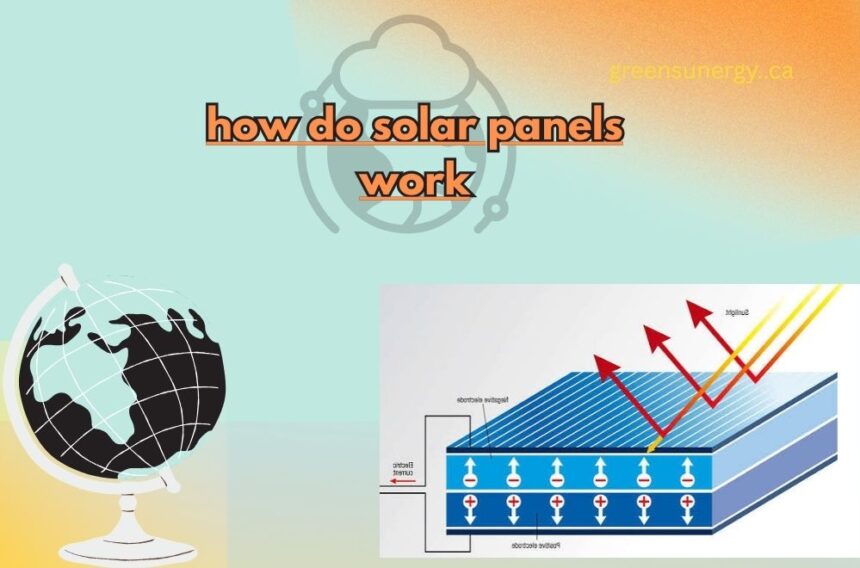
One detail that trips a lot of people up: solar panels generate DC (direct current) electricity, but your home runs on AC (alternating current). Batteries store DC power. An inverter acts as the translator between the two.
In an AC-coupled system, electricity gets converted more times as it moves between your panels, inverter, battery, and home — which is slightly less efficient but often easier to add to an existing solar system. DC-coupled systems reduce the number of conversions, which can mean better efficiency, but they’re usually planned into a system from the start rather than added later. Your installer can help determine which setup makes more sense for your situation.
Frequently Asked Questions About Solar Batteries
What are solar batteries used for?
Solar batteries store electricity generated by your solar panels so it can be used later — commonly for off-grid power, nighttime energy use, and backup power during outages.
What type of battery is best for solar storage?
Lithium-ion (LiFePO4) batteries are the most popular choice today thanks to their long cycle life and low maintenance, though AGM and flooded lead-acid batteries remain solid, budget-friendly options depending on your needs.
How long do solar battery works?
Most lithium-ion solar battery works almost 10 years. AGM and flooded batteries can also last many years, though typically with shorter overall lifespans and more required maintenance.
How many solar batteries do I need to power a house with solar?
It depends on your daily energy use and how much backup you want. A small cabin might only need one or two batteries, while a full-time off-grid home may need eight or more. A local installer can help calculate the right size based on your specific energy consumption.
Are solar batteries worth the cost?
That depends on your goals. If backup power during outages and long-term energy independence matter to you, batteries can be a strong investment — especially in areas with expensive peak electricity rates or unfavorable net metering policies.