The Complete Guide to Understanding Micro Inverters: Everything Canadian Property Owners Need to Know
Introduction
Over the past decade, I’ve watched solar technology transform across Canada. The conversation has shifted from “Should I go solar?” to “What type of inverter should I install?
If you’re exploring options, you’ve encountered terms like micro inverters, panel optimization, and comparisons to traditional string inverters. The choice between these systems can impact your energy output by 15-30%, depending on your roof conditions.
Let me walk you through what actually works in Canadian climate conditions.
How Micro inverters Work: The Real Technology Behind Your Solar Panels
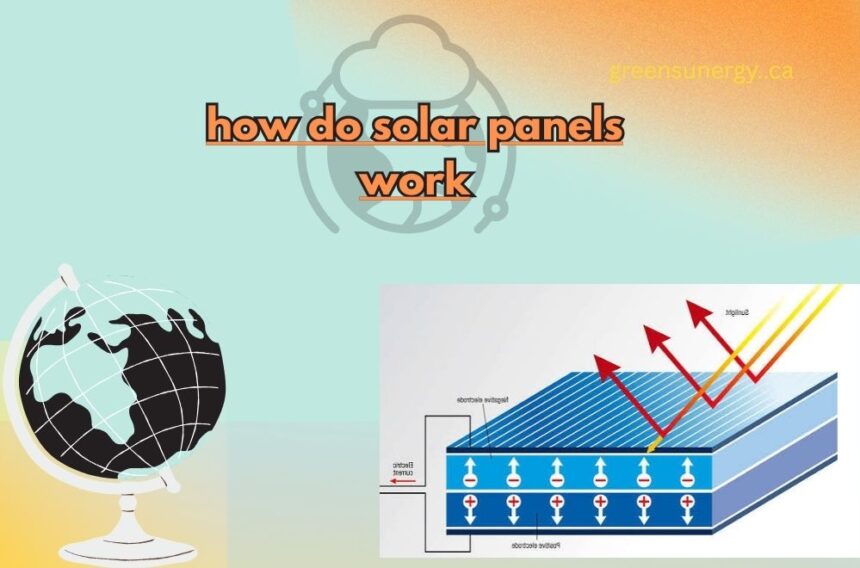
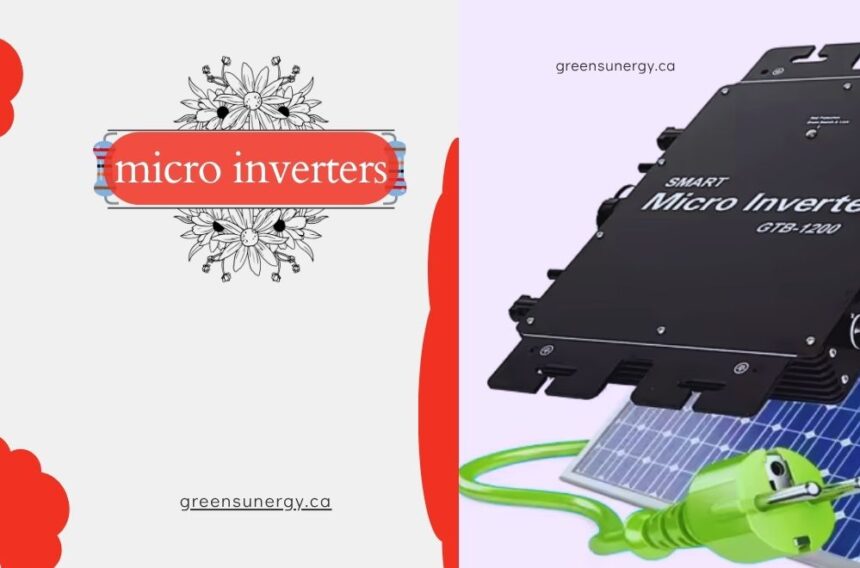
Micro inverters operate on a simple but powerful principle: convert electricity right where it’s generated—at each solar panel. Unlike older setups where all panels feed into one central box, here every panel gets its own small inverter.
Here’s the process. Your solar panels generate DC electricity (direct current). Each micro inverters then converts that DC power into AC electricity (alternating current) that powers your home or feeds back to the grid. This panel-level conversion happens independently on every panel. So, a if one panel sits in shade or gets dirty, it doesn’t drag down your neighbour’s performance.
The system performance stays consistent because each unit does its own maximum power point tracking (MPPT). Think of MPPT as your inverter’s ability to squeeze maximum energy production from whatever light condition that panel experiences. When morning light is weak, your south-facing panel runs one way. When afternoon clouds roll in, it adjusts instantly. No panel waits for the others to catch up.
Read more about: Influencersginewuld
Better Inverters: A Critical Comparison for Your Roof
This comparison matters because the choice shapes your entire solar system design and future options. String inverters bundle multiple panels together into a series (called a string). All that DC power flows down to one central inverter, usually mounted on your garage wall or home exterior. One unit handles the entire power conversion.
The appeal is clear: lower upfront cost, simpler wiring, easier maintenance. But the risk is real too. If one panel gets shaded, the weakest panel in that string limits everyone’s output. It’s like old Christmas lights—one bad bulb drags down the whole string.Micro inverters flip that model. Each solar panel has its own converter. One panel sits in shade? It produces less, but the rest keep humming. One panel gets dirty? The others are unaffected.
This panel-level independence means your system performance stays strong even when conditions aren’t perfect. You get detailed monitoring showing exactly which panels work best and which ones need attention.The trade-off is real: micro inverters cost more upfront—typically 20-40% higher than string systems. But on complex Canadian roofs with shading issues, multiple angles, or future expansion plans, that premium pays back in genuine energy production gains.
Why Micro inverters Excel on Complex Canadian Roofs
Canadian homes rarely have simple, unshaded, single-direction rooflines. We have trees, we have chimneys, we have additions built at different angles. Many homes face multiple directions. Winter snow accumulation blocks different panels at different times.
Micro Inverters were designed for exactly these conditions. Each solar panel operates independently, so panels facing east perform on their own schedule. South-facing panels operate independently. West-facing panels work their own timing. No single inverter is trying to force all this diversity into one power conversion strategy.
I’ve installed systems where traditional string inverters would have struggled with afternoon shade from a tree growing on the neighbour’s property. With these inverters, that tree’s impact stayed confined to two panels instead of crippling the whole eastern side of the roof. The energy production difference over a year proved substantial—roughly 18% higher output than competitor estimates for a string inverter setup on the same property.
Shading management is where these inverters genuinely shine. They use panel-level MPPT so shaded panels still try to optimize themselves. They don’t just shut down or drag everyone down. This technology also means your monitoring data shows you exactly where shade problems happen, so you can decide whether trimming trees or accepting the loss makes financial sense.
Read more about: artika solar string lights
The Installation Process and Long-Term Maintenance Reality
Micro inverters mount directly under each solar panel, either on the frame or attached to the roof rail. The installation itself is straightforward: panels go up, inverters attach, AC cables run down to your electrical panel, and everything connects to grid infrastructure or your battery system.
What matters more is maintenance. Because your inverters live on the roof, exposed to Canadian temperature swings—from -30°C winter nights to 70°C roof surface heat in summer—they endure harsh conditions. This is different from a wall-mounted string inverter in your garage. Each unit is small and independent, which means a single failure only takes one solar panel offline, not your entire system. But it also means roof access is required for service calls.
I’ve found that reputable best inverters manufacturers offer 20–25-year warranties, which mirrors solar panel durability. Real-world failure rates stay low—most brands quote less than 0.5% annual failure rates. But the important point: more devices in a harsh roof environment means more opportunities for service visits over 25 years, and roof-level work costs more than ground-level swaps.
For expansion plans, best inverters actually make things simpler. Want to add four more panels in three years? Each new panel brings its own inverter, so you’re not redesigning your central power conversion architecture. Just mount, connect, and monitor.
Battery Storage Integration: Where Micro inverters Change the Equation
Here’s something critical that doesn’t get discussed enough: how your micro inverters system talks to batteries.
Micro inverters output AC electricity, so battery systems must also work on the AC side. This is called AC coupling. Your solar panels produce DC, your inverters convert to AC, and a separate battery inverter then handles charging the battery from that AC power. It works, but there’s efficiency loss because the electricity converts twice instead of once.
Hybrid string inverters connect batteries differently—on the DC side, before any conversion to AC. That’s called DC coupling, and it’s more efficient. But here’s what matters: if you’re adding batteries to an existing good inverters system, AC coupling is your only real option.
This matters most for people in Ontario and other provinces with strict grid interconnection limits. A separate battery inverter’s output counts toward your connection cap, so your solar system and battery system are competing for the same AC budget. It’s a design constraint worth understanding before you commit to useful inverters.
Inverters for Residential vs Commercial Applications
Residential inverters typically range from 250W to 500W per unit, sized to match standard home solar panel wattages. They work beautifully on the typical 5-12 panel residential system. They give homeowners real panel-level monitoring through mobile apps, showing exactly which panels produce power and which ones underperform.
Commercial applications use larger multi-input inverters or stay with string inverters because commercial roofs often have simpler geometry and less shading complexity. But commercial solar is growing with distributed installations across multiple buildings, and their inverters offer real advantages for independent monitoring and system health across properties.
The cost difference matters more in commercial settings. A 50-panel string inverter system costs substantially less upfront than 50 individual inverters. But a commercial operator managing energy across five buildings appreciates the panel-level data that inverters provide for performance verification and maintenance prioritization.
Looking Forward: Where Micro inverters Technology Heads
The trajectory is clear. Micro inverters are becoming smarter, cheaper, and more integrated with battery systems. Newer models include built-in arc-fault detection for fire safety. Smart grid capabilities let utilities use your solar system for grid support during peak demand. Some manufacturers are experimenting with integrated battery storage right in the inverter housing.
What’s particularly interesting is how this technology is pushing battery manufacturers to improve AC coupling efficiency. As AC coupled systems become more common, there’s real engineering incentive to reduce the efficiency loss from double conversion.
The competitive pressure also drives down costs. Five years ago, the inverters premiums were 50%. Today they’re closer to 20-30%. If that trend continues, the financial case for the inverters strengthens for everyone, not just people with complex roof conditions.
FAQs
Q: Are micro inverters worth the higher upfront cost?
A: That depends on your roof conditions. If you have significant shading, multiple roof angles, or plans to expand later, the higher energy production and easier expansion justify the cost difference. If your roof is simple and shade-free, a string inverter probably makes more financial sense.
Q: Can I add batteries to my existing micro inverters system?
A: Absolutely. You’ll use an AC coupled battery system with its own inverter. It works well, especially for retrofits.
Q: How long do micro inverters slats compared to string inverters?
A: Both typically last 20-25 years. Reputable micro inverters manufacturers back this with warranties matching that timeframe. The difference isn’t lifespan—it’s where they live. Your roof-mounted micro inverters endure harsh temperature swings, while a garage wall-mounted string inverter stays more climate-controlled.
Q: What’s the biggest advantage of micro inverters for Canadian homes?
A: Shading management and multi-angle roof handling. Canada’s climate, trees, and roof designs make panel-level independence genuinely valuable. You get better energy production on imperfect roofs, and your monitoring data actually tells you what’s happening panel by panel.
Final Thoughts
Micro inverters represent a real shift in how solar systems handle complexity. They’re not the right choice for every roof, but on Canadian properties with real-world complications—shade, multiple angles, future growth—they deliver measurable benefits.
The technology costs more upfront, requires roof-level maintenance, and demands compatible battery systems if storage is part of your plan. But the panel-level independence, superior monitoring, and easier expansion make genuine sense for owners who plan to live with their systems for 20+ years.
If your roof tells a complicated story, good inverters might be the answer to that story.