Winter here does not play fair. A heat pump Nova Scotia family rely on has to fight damp air, coastal wind, and sharp cold snaps all at once, often within the same single week. Many homeowners still wonder if a heat pump Nova Scotia weather can actually handle real winter, not just a mild fall evening.
This guide walks through the real numbers, the real rebates, and the real experience of living with one of these systems. No jargon, no fluff, just plain answers for anyone thinking about making the switch this year, whether the current setup runs on oil, electric baseboards, or an aging furnace. By the end, the goal is a clear, confident decision, not another pile of confusing sales brochures.
What Is A Heat Pump Nova Scotia Homeowners Choose Today
A heat pump moves warm air instead of creating it from scratch, which is why a heat pump Nova Scotia install is considered so energy efficient. It pulls heat from the outside air, even on a chilly day, and pushes that warmth inside the house. In summer, the same unit reverses the cycle and cools the home like an air conditioner, which removes the need for a separate window unit. Homeowners often describe the shift in comfort as noticeable within the very first week of use.
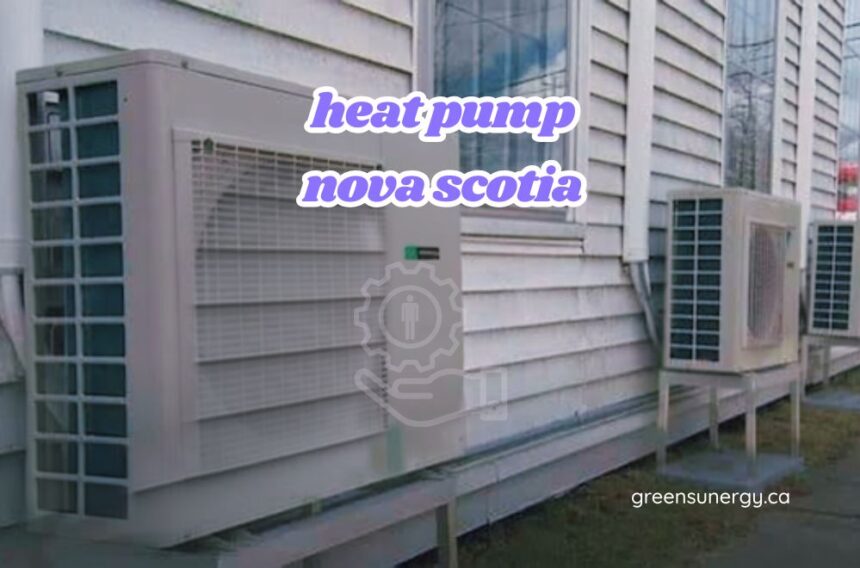
Most systems chosen for a heat pump Nova Scotia project fall under the ductless heat pump category, often called a mini split. A single outdoor unit connects to one or more indoor heads mounted on a wall. This setup suits older homes here that were never built with ductwork, which is common across small towns and rural properties, and it avoids the cost of tearing open walls.
Signs Your Home Is Ready For The Switch
An aging oil furnace that needs yearly repairs is one of the clearest signals that a change is overdue. Rising delivery bills each winter, combined with a tank that is getting close to its expiry date, push many households to start comparing options. A home with at least one open wall for an indoor head, and clear outdoor space for a compressor, is usually a straightforward fit. A quick look at the electrical panel also helps confirm whether extra capacity is available for a new dedicated breaker.
Homes already wired with electric baseboards can often add a heat pump without any major electrical upgrade. Families who want quieter operation than an old forced air furnace also notice the difference right away. A short conversation with a local energy advisor can confirm readiness before any money changes hands.
Why Nova Scotia Winters Test Every Heating System
Coastal areas like Halifax and the South Shore see damp, heavy air that can feel colder than the thermometer shows. Cold climate models are built with enhanced compressors that keep working well below freezing. Older units struggled below minus fifteen, but newer cold climate models stay efficient much further down the scale, even during a hard January freeze. Wind coming off the Atlantic only adds to how sharp that damp cold can feel indoors.
Backup heating, such as a wood stove or baseboard heaters, is still smart to keep for the rare deep freeze night. A well sized heat pump Nova Scotia system covers the vast majority of the heating season on its own. Choosing the correct size for the home stops the unit from struggling on the coldest days of January, and it keeps the compressor from wearing out early.
Read more about: Cabin Solar System
Heat Pump Nova Scotia Rebates And Programs In 2026
Efficiency Nova Scotia runs several rebate paths, and most now require a Home Energy Assessment before any equipment is purchased. The OHPA rebate, short for the Oil to Heat Pump Affordability Program, has offered up to fifteen thousand dollars in combined federal and provincial funding for eligible oil heated homes. This federal support is set to wind down in the province sooner than in other parts of Canada, so timing matters a great deal for anyone still deciding.
Lower income households can also look at the Heating Assistance Rebate Program for a flat seasonal payment toward heating costs. A heat pump Nova Scotia buyer should always confirm current numbers directly with Efficiency Nova Scotia before signing any contract. Rules and funding levels shift often, so a quick phone call before booking an install saves a lot of guesswork and protects the household budget. Screenshotting the official program page on the day of application is a smart habit, since terms can update without much notice.
How A Heat Pump Nova Scotia Household Saves On Energy Bills
Oil prices swing hard from one winter to the next, while electricity rates tend to move more slowly and predictably. Switching from oil to a heat pump Nova Scotia system often cuts a household heating bill by a noticeable margin over a full year. The exact savings depend on home size, insulation, and how the thermostat gets used day to day, along with how many rooms stay heated at once.
A higher SEER rating and strong HSPF score both point to a more efficient unit that costs less to run long term. Sealing drafts around windows and doors before installation lets a smaller, cheaper heat pump do the same job. Small upgrades like weather-stripping often pay for themselves within the first two winters of use, especially in an older character home. Over ten or fifteen years, that efficiency gap adds up to a meaningful amount of saved money.
Read more about: Nomurano
Heat Pump Nova Scotia Versus Oil Heating And Baseboards
Oil furnaces burn fuel that must be delivered, stored, and paid for at whatever the current market price happens to be. A heat pump Nova Scotia household instead draws from the electrical grid, which tends to have steadier province regulated pricing. Baseboard heaters are cheap to install but expensive to run, since they convert electricity to heat at a flat one to one ratio, with no efficiency gain at all.
A heat pump can produce two to three units of heat for every unit of electricity it uses, largely thanks to the heat exchange cycle inside the system. This makes it far more efficient than baseboards over an entire heating season. Homes that switch away from oil also cut greenhouse gas emissions tied to fuel delivery trucks and combustion byproducts, which matters to many local buyers.
Choosing The Right Heat Pump Nova Scotia Contractor
A certified installer matters as much as the brand of equipment chosen for the home. Ask any heat pump Nova Scotia contractor for proof of licensing, insurance, and recent local references before signing anything. A rushed quote with no home visit is usually a warning sign, not a bargain worth taking, no matter how low the number looks on paper. A written estimate should always spell out equipment model numbers, not just a vague total price.
Proper sizing depends on square footage, R-value of the walls, window count, and ceiling height, not a flat guess pulled from a brochure. A good contractor will walk the whole house and explain the heat exchange process in plain terms. Getting two or three quotes before committing is normal practice and well worth the extra week of waiting before a final decision is made.
What To Expect On Installation Day
A typical single zone install takes most crews a full day, from mounting the indoor head to running the line set outside. The outdoor compressor unit needs a stable pad or wall bracket, set slightly above expected snow depth for the area. Electrical work, including a dedicated breaker, is usually completed before the refrigerant lines are connected and tested. Crews generally arrive early in the day and clean up thoroughly before leaving the property.
Once running, the installer will walk through the remote control, cleaning schedule, and any smartphone app that comes with the unit. A short test cycle in both heating and cooling mode confirms everything is sealed and working correctly. Most homeowners notice the quieter operation compared to an old furnace within the very first evening.
Heat Pump Nova Scotia Maintenance Tips For Long Life
Filters need a rinse or a swap every month or two during the heavy heating season to keep airflow strong. Outdoor units should stay clear of snow drifts, since blocked airflow forces the compressor to work harder than it should. Checking the refrigerant lines once a year during a professional tune up catches small problems early, before they turn expensive to fix.
A well-maintained heat pump Nova Scotia winter can still deliver strong performance a decade or more after install. Yearly servicing also protects the manufacturer warranty, which usually requires proof of regular maintenance. Simple habits like these stretch the life of the system and keep energy bills predictable year after year, even though the toughest stretches of February. Skipping maintenance is one of the fastest ways to shorten the working life of otherwise solid equipment.
Common Myths About Heat Pumps In Cold Climates
One persistent myth claims these systems stop working entirely once temperatures drop below zero, which simply is not true of modern equipment. Another common worry is that a heat pump cannot fully replace a furnace, yet properly sized units handle the vast majority of a typical heating season without issue. Some homeowners also assume the technology is brand new and unproven, when in fact it has been refined over several decades of real-world use. Rumors spread quickly in small communities, so checking with a certified professional is always the safer route.
A fourth myth is that these systems are noisy, but current outdoor compressors run far quieter than older air conditioning units from years past. People also worry that switching means giving up all control over comfort, though most systems now include app-based scheduling for every room. Understanding the real facts, rather than old rumors passed between neighbors, makes the decision much easier.
Final Thought
Choosing a heat pump Nova Scotia system is less about chasing a trend and more about facing the real climate here with a smarter tool. The upfront cost feels big, but rebates, lower running costs, and steady comfort make a heat pump Nova Scotia investment worth serious thought for most households across the province.
Talk to a local certified installer, check current rebate rules before you buy, and pick equipment sized for the actual home rather than the lowest quote on paper. A little homework now saves real money and real stress once the cold weather settles in for good. Most families who make the switch say the biggest surprise is simply how steady the indoor temperature feels, room to room, all winter long.
Frequently Asked Questions
Is a heat pump Nova Scotia system strong enough for deep winter cold?
Yes, modern cold climate models keep working efficiently well below freezing, though a small backup heat source is still smart for the rare extreme cold night when temperatures drop sharply overnight. Sizing the unit correctly for the home is the single biggest factor in cold weather performance.
How much does a heat pump Nova Scotia install typically cost?
Total cost depends on home size and system type, but rebates through Efficiency Nova Scotia and OHPA can significantly lower the amount a homeowner pays out of pocket for the same equipment. Getting a written quote before applying for any rebate avoids confusion about final numbers.
Do heat pumps work well in older, drafty homes?
Yes, though sealing drafts and adding insulation first helps a smaller unit perform even better and keeps monthly bills lower over the full heating season.
What is the best way to find a reliable heat pump Nova Scotia contractor?
Ask for licensing proof, insurance details, and recent local reviews, then compare at least two or three written quotes before making a final decision on installation.