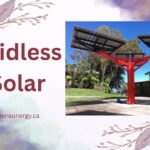
Hot water and a warm home matter every single day. Most houses still depend on the main power grid for this basic comfort. A gridless heat pump changes that picture in a simple way. I first saw a gridless heat pump while helping a friend set up her cabin far from any power line. She needed warmth without wires running through the woods. That one project showed me how far this renewable energy technology has come.
This guide walks through how the system works, why it suits off grid living, and what to check before buying one. Expect plain language and a few real examples along the way. By the end you should know exactly what to look for.
What Is A Gridless Heat Pump And How It Works
A gridless heat pump pulls warmth from the air around it. It then moves that heat into your water tank or living space. No wire connects the unit to the public power network. Instead the unit runs on solar power, a battery bank, or both together. The system stores extra energy during sunny hours. It then draws on that stored power at night or on cloudy days.
This setup gives the household real energy independence. Your home stays warm without a single kilowatt from the utility company. That is a big shift from the old grid tied heaters most of us grew up using.
Many people confuse this unit with a plain solar water heater. A solar water heater only warms water using direct sunlight through a flat panel. This system instead uses stored electricity to run a small compressor, much like a normal heat pump, but fully disconnected from any wire.
Why A Gridless Heat Pump Suits Off Grid Homes
Cabins, farms, and remote homes often sit far from any power line. Running new cables to these places costs a fortune. A gridless heat pump solves this problem in a simple way.
The system works well for off-grid living because it needs no fixed connection. Owners can place it near a small solar array and a battery bank. This setup fits remote areas where grid failure happens often. I have met homeowners in storm prone regions who praise this setup. Their neighbours lose hot water during a blackout. Their own tank stays warm because the heater never depended on the grid in the first place.
Insurance agents in some regions now mention the resilience side of this choice. Homes with reliable hot water during a storm tend to recover faster and stay more comfortable. This one detail alone convinces many buyers in hurricane or wildfire prone zones.
Top Benefits Of Choosing A Gridless Heat Pump
Lower electricity bills rank as the first benefit most owners notice. A gridless heat pump uses free sunlight instead of paid power. Over a year, this choice adds up to real savings.
Energy efficient design is another strong point. These units often produce more heat energy than the electrical energy they use. That ratio makes them far better than old resistance heaters.
Environmental impact drops too. A smaller carbon footprint follows naturally when clean energy powers your hot water. Many families choose this path simply to live a bit greener. Noise levels also tend to stay low with well designed models. Most units run quieter than a home refrigerator. That quiet operation makes them a good fit for tight cabins or small guest houses.
Read more about: Altapro
Solar Power And Battery Storage For Your Gridless Heat Pump
Solar panels feed direct current into a small charge controller. That controller then charges a battery bank sized for your household needs. A gridless heat pump draws from this stored power whenever it is needed.
Battery capacity matters a great deal here. Small households often manage well with a modest bank. Larger homes or colder climates need bigger storage to cover cloudy stretches.
Sizing the system correctly avoids frustration later. I always tell people to count their sunniest month and their gloomiest month both. Backup power planning around the worst case keeps hot water flowing all year round.
A good charge controller protects the battery from overcharging on bright days. It also stops the battery from draining too low overnight. A quality controller can extend the life of the whole battery bank by several years.
Read more about: Emergency Power
Things To Consider Before You Buy A Gridless Heat Pump
Climate plays a big role in performance. Cold winters demand a larger solar array or extra battery reserve. A gridless heat pump still works in freezing weather, but it needs the right sizing. Installation space is another factor to plan for. The outdoor unit needs airflow and a bit of room around it. Placing it too close to a wall can reduce its output.
Budget always enters the conversation too. Upfront cost sits higher than a plain electric heater. However the long term energy costs drop enough to balance that difference within a few years. Local rules and permits sometimes affect where you can place the outdoor unit. A quick call to your local building office saves headaches later. Professional installers usually know these rules already and can guide you through the paperwork.
Maintenance Tips For A Long Lasting Heat Pump
Regular care keeps any heating system running well. Clean the outdoor coil every few months to clear dust and leaves. A blocked coil forces the compressor to work harder than it should.
Check battery health once each season. Loose connections or ageing cells reduce backup power capacity over time. A quick inspection catches small issues before they turn into big repairs.
Solar panels need a wipe down too. Dust and pollen build up and block sunlight from reaching the cells. Five minutes with a soft cloth keeps the whole hybrid system working at full strength. Keep the manual close by during the first year of use. Manufacturers often list clear service intervals for filters and refrigerant checks. Following that schedule closely protects your warranty and keeps performance steady.
A Real Life Look At Gridless Heat Pump
My friend’s cabin sits two miles from the nearest power pole. Before her new setup, she boiled water on a wood stove every morning. Now warm water simply waits for her at the tap.
She paired a small solar array with a modest battery bank. The combination covers her needs even through short winter days. On the rare cloudy week, she notices barely any drop in comfort. Her advice to newcomers stays simple. Start with an honest look at daily hot water use. Then build the solar and battery side around that real number instead of guessing.
Cost And Savings Breakdown For This Heating System
Upfront price covers the outdoor unit, the solar panels, and the battery bank together. Most households spend more at the start than they would on a plain electric tank. That gap narrows fast once the monthly power bill drops close to zero. Government rebates or local incentives sometimes lower the total price further. Many regions now reward homeowners who add renewable energy equipment to their property. A quick search of local programs before you buy can shave a good chunk off the final invoice.
Payback periods vary with household size and local sunshine hours. A small cabin with light use may break even within three years. A larger family home with heavy hot water demand may take a little longer, though the long run savings still add up nicely.
Is This System Right For Your Household
Households already living off-grid gain the most from this choice. They avoid running a generator just to heat water, which saves fuel and cuts down on noise and fumes. That alone makes the switch worthwhile for many rural families.
Grid connected homes can still benefit, especially in areas with frequent outages. A small hybrid system paired with existing solar panels adds a layer of comfort during storms. It also trims the electric bill even when the main grid stays up.
Renters or people in apartments may find this option less practical for now. Space for solar panels and a battery bank is not always available in shared buildings. Homeowners with a yard, roof, or open land tend to see the fastest and smoothest results of gridless heat pump.
Choosing The Right Installer For A Smooth Setup Gridless Heat Pum
A skilled installer makes a huge difference in how well the whole setup performs. Ask for references from other off-grid or solar customers in your area. A short phone call to a past client tells you more than any brochure ever could.
Request a clear written quote before any work begins. The quote should list the heat pump model, panel count, battery size, and labour cost separately. This level of detail helps you compare offers fairly between different companies. Warranty terms deserve close attention too. Some brands cover the compressor for many years while the battery carries a shorter term. Knowing these details upfront avoids any unpleasant surprise later on.
A Greener Path For Everyday Living
Choosing clean energy for daily tasks adds up over a lifetime. Hot water alone accounts for a large share of a typical household’s energy use. Shifting that load to sunlight instead of fossil fuel plants makes a real dent in overall emissions. Neighbours and visitors often ask questions once they notice the setup. That curiosity tends to spread interest in sustainable living well beyond one single household. A single project can quietly influence several others down the road.
Small steps like this one rarely feel dramatic day to day. Over months and years though, the combined effect on both the wallet and the planet becomes clear and worth celebrating.
Final Thoughts On The Gridless Heat Pump Advantage
A gridless heat pump offers real freedom from power outages and rising bills. It fits cabins, farms, and any home seeking true energy independence. Sunlight and a good battery bank do the heavy lifting instead of the utility company.
Choosing this path takes a bit of planning. Correct sizing and simple maintenance keep the system reliable for years. Once it is set up, most owners say they would never go back to a grid tied heater again. Talk to a few installers before committing to one brand. Compare warranty terms, battery quality, and local support availability. A little research upfront saves both money and stress down the road.
Common Questions People Ask About Gridless Heat Pump
What is a gridless heat pump?
It is a heating unit that makes hot water or warmth using solar power and a battery bank instead of the main electrical grid. Cabins, farms, and remote homes tend to use it most, though grid connected homes can add one too for extra security.
How does solar power connect to the system?
Solar panels charge a battery bank that powers the gridless heat pump directly. Extra energy gets stored for use after sunset, so warmth continues through the night without any help from a wall socket.
Is a gridless heat pump expensive to install?
Upfront cost runs higher than a standard electric heater because of the panels and battery bank. Savings on electricity bills build up fast though, and they usually cover that gap within a few years of normal use.
Does the system work during a power cut?
Yes, the unit keeps running because it never relied on grid electricity in the first place. Your hot water stays available even when neighbours on the grid lose power completely, which brings real peace of mind during storms.