A flexible solar panel bends where a rigid panel cannot. It weighs little, fits curved roofs and installs fast. I tested my first flexible solar panel on a camper van and saw the value right away. This guide gives you every answer in one place.
What Is a Flexible Solar Panel
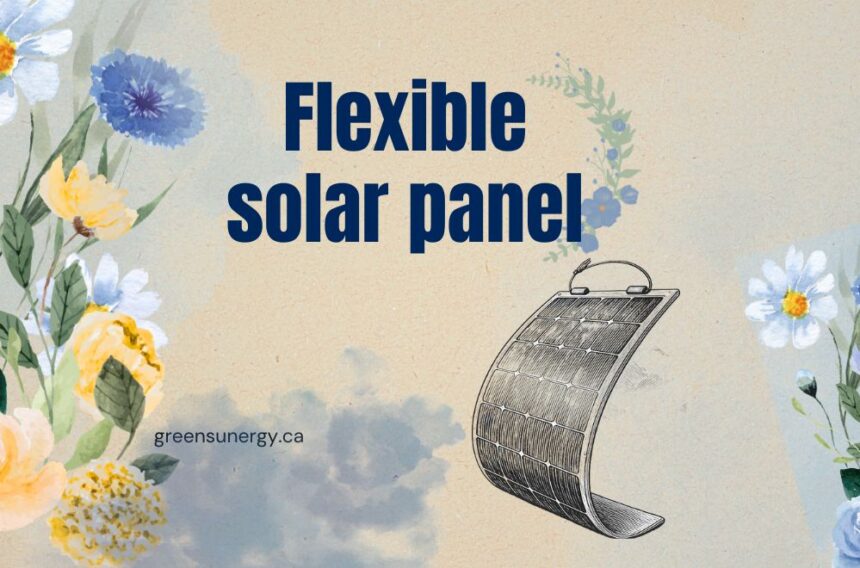
A flexible solar panel is a thin photovoltaic panel that bends a little without breaking. It packs solar cells inside a polymer layer instead of heavy glass and a thick aluminum frame. Most models measure only a few millimeters thick.
Because the build is light, a typical unit weighs far less than a rigid panel. Some sellers call it a flexible sun panel. The names differ, yet the idea stays the same.
Brands sell flexible pv panels in many sizes. Small 50-watt sheets suit tents and bikes. Large 200-watt sheets suit vans and boats. The wide range lets you match the panel to your space.
Read More About: Solar Panel Installation
How a Flexible Solar Panel Works
Every flexible solar panel works through the photovoltaic effect. Sunlight hits the cells and knocks electrons loose. This flow creates direct current power. Your charge controller then sends it to the battery.
A flexible solar module uses thin monocrystalline cells or thin film layers. The cells sit between a tough front sheet and a backing layer. The front sheet often uses ETFE or PET plastic. ETFE lasts longer and resists UV light better.
The panel connects through a junction box or flat cable exits. Most units use MC4 connectors. Some small ones use plain wire leads. Check the connector type before you buy extension cables.
Read More About: How Long Does a Solar Installation Take?
Flexible Solar Panel Types and Materials
Two cell types dominate. Monocrystalline cells give higher efficiency and cost more. Polycrystalline cells cost less and lose more power in heat. Some budget models use thin film or CIGS layers instead.
Each flexible solar panel falls into one of two build groups. A semi flexible panel bends to a gentle curve and uses a thin fiberglass or aluminum backing. A fully flexible panel bends much more and often uses a soft polymer base.
Surface material matters too. ETFE coatings stay clear and resist scratches. PET coatings cost less and yellow faster in strong sun. Pick ETFE if your budget allows.
Premium flexible pv panels use high grade back contact cells. These cells hide the busbars on the back and boost output. They also resist cracking better when you bend them.
Flexible Solar Panel Versus Rigid Panels
Rigid panels use glass and a metal frame. They last long and give strong efficiency per dollar. They also weigh more and need solid mounting rails. Your roof must carry that load.
A flexible solar panel trades some life and power for weight and shape. It weighs a fraction of a rigid unit and sticks to curved surfaces. Rigid panels still win on lifespan and heat control.
Choose rigid for a permanent home roof. Choose flexible solar panels for vans, boats, tents and curved RV roofs. Many owners even use both in one off-grid system.
Pros and Cons You Should Know
A flexible solar panel brings real advantages. It is light, thin and easy to carry. It installs without drilling in many cases. It also hides well on a low-profile roof.
The downsides need honesty. Flexible panels run hotter because they sit flat against the roof. Heat cuts output and wears the cells faster. Scratches and abrasion also harm the plastic surface.
Most flexible models carry shorter warranties than rigid ones. Many last about 5 to 15 years, based on build quality and care. Premium units last longer. Always read the warranty terms.
Efficiency and Lifespan
Efficiency shows how much sunlight becomes power. Most flexible units reach roughly 15 to 23 percent. Top back contact models sit at the high end. Budget models sit lower.
A good flexible solar module loses a small amount of power each year. Heat, bending stress and UV exposure speed that loss. Keep the panel cool with air space below and it lasts longer.
Lifespan depends on the mounting method too. Panels bonded flat with no gap trap heat. A small air gap helps a lot. One early panel on my van roof faded sooner than the rest, and that taught me this lesson.
Best Uses for a Flexible Solar Panel
RV and camper van owners love this panel type. It lies flat on curved roofs and adds almost no drag. A flexible sun panel also fits truck canopies and trailers.
Boats gain a lot as well. A flexible solar panel resists salt spray when you pick marine rated units. It also covers Bimini tops and cabin roofs. Walkable models even work on decks.
Cabins, tiny homes and sheds with odd roofs gain too. Campers and hikers use small flexible sheets in emergency kits. Backup power for fridges, lights and phones becomes easy. Flexible solar panels also suit curved kiosks and bike trailers.
Sizing Your System
Start with your daily energy use. List each device and its watts. Multiply by hours of use. Add the totals to find your watt hours per day.
Next, estimate sun hours. Many parts of Canada get about 3.5 to 5.5 peak sun hours a day, based on region and season. Divide your daily watt hours by sun hours. Add a 25 percent buffer for losses.
For example, a van that uses 400-watt hours a day needs about 100 watts with four sun hours. Add 25 percent and you reach roughly 125 watts. Round up to a 150-watt panel. Large arrays of flexible pv panels charge faster on cloudy days.
Wiring, Controller and Battery
Your panel needs a charge controller. This device protects your battery from overcharging. MPPT models give more power, while PWM models cost less. Pick one that matches your panel voltage.
Match the battery type too. Lithium and AGM batteries need different charge settings. Add a fuse near the battery. Use proper wire gauge to limit voltage drop. Keep cable runs short.
Use MC4 connectors and waterproof seals. Run cables through a sealed cable gland into the vehicle. Never cut a roof without a plan. A neat wiring job prevents leaks and fires.
How to Install a Flexible Solar Panel
Plan the layout first. Measure your roof and place the panel in full sun. Avoid shade from vents, racks and antennas. Even small shade can cut output a lot.
Clean the surface with isopropyl alcohol. Dry it well. Test fit the panel without removing any adhesive backing. Mark the position with tape.
Many owners use strong adhesive tape or sealant made for outdoor use. Apply it in small beads and leave gaps for airflow and drainage. Press the panel down firmly. Follow the maker steps for a flexible solar panel on your roof type.
Some panels also use grommets and screws. Use them only when the maker allows it. Seal every hole with sealant. Let everything cure before you drive or sail.
Using These Panels in Canadian Weather
Canada suits solar well. Cold air helps cell voltage, and long summer days boost output. Interest in flexible solar panels canada wide keeps growing among campers, boaters and cabin owners.
Winter brings snow and short days. Brush snow off gently with a soft broom. Never scrape the surface. Owners of flexible solar panels canada wide should watch for ice on cables and seams too.
Shop with care. Look for brands that ship in Canada and offer local support. Check the return policy and warranty terms in Canadian dollars. Cold rated cables and connectors help in deep winter.
Cost and Value
Cost depends on size, cell type and brand. Small panels cost little, while large premium units cost more. Prices for flexible solar panels canada wide vary a lot by seller, so compare at least three.
Look at cost per watt, not only the price tag. Add the controller, cables, sealant and fuses to the budget. Count shipping and taxes too. A cheap panel that fades fast costs more later.
Value also depends on your goal. For a van or boat, weight savings and fit often justify the price. For a home roof, rigid panels usually give a better return on investment.
Buying Checklist
Check the cell type first. Then check efficiency, wattage and size. Confirm the maximum voltage and current match your controller. Look at the bypass diodes, which help when part of the panel sits in shade.
Read the warranty and material details. A good flexible solar module lists the front sheet type, thickness and IP rating. IP67 or better handles rain and splashes. Check reviews from owners with similar use.
Ask about the bend radius. Every panel has a limit, and ignoring it cracks cells. Buy from a seller with clear support and an easy return process.
Care and Maintenance
Check your panel each season. Look for cracks, peeling edges and loose connectors. Clean dust and bird droppings with water and a soft cloth. Skip harsh chemicals and rough pads.
A flexible sun panel needs gentle handling. Do not walk on it unless the maker says it is walkable. Avoid sharp tools near the surface. Cover it during long storage.
Common Mistakes to Avoid
The first mistake is ignoring heat. Panels glued flat to a hot roof lose power and age fast. The second mistake is buying a flexible solar panel with no clear specifications. Always compare datasheets.
Another mistake is skipping the controller or fuse. Some buyers also bend panels too sharply. Many forget to leave drain gaps. Flexible solar panels work best when you treat them with care.
Final Thoughts
A flexible solar panel gives you light, fast and tidy power where rigid panels fail. Match the panel to your space, size the system with care and plan for heat. When you pick the right flexible solar panel, you gain years of quiet power. Start with your energy list today. Then compare datasheets and buy with confidence.
FAQs
What is a flexible solar panel?
It is a thin, light panel that bends slightly. It uses solar cells inside a plastic style layer instead of glass.
How long does a flexible solar panel last?
Many last about 5 to 15 years. Heat, bending and sun exposure shape the real number. Premium models last longer with good care.
Can I glue a flexible solar panel to my roof?
Yes, with outdoor rated adhesive or sealant from the maker. Leave small air gaps for cooling and drainage.
Do these panels work in winter?
Yes. Cold air helps the cells, but short days and snow cut the total output.