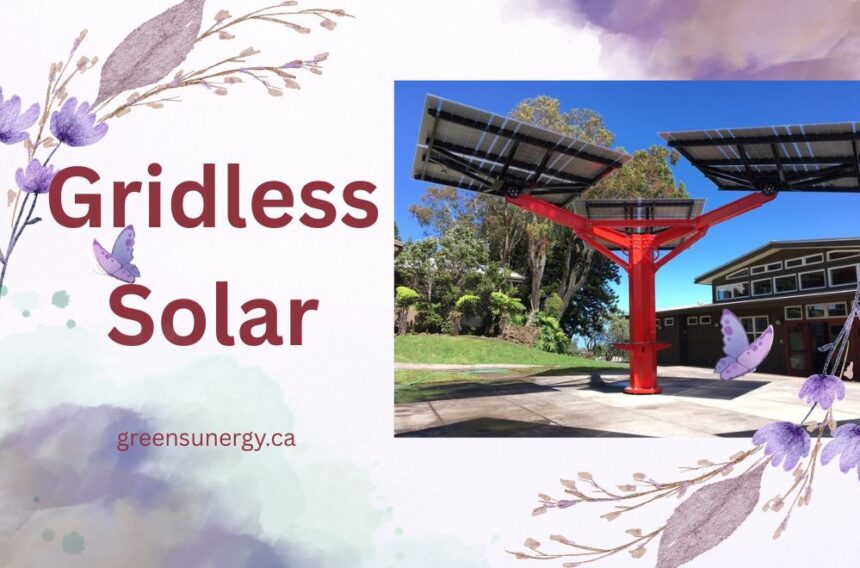
Every home needs power to feel comfortable and safe. Most of us still lean on the public utility for that power. A gridless setup changes this basic assumption completely.
I first explored a gridless setup while helping a friend build her cabin far from any power line. She wanted comfort without a single wire running through the trees. That project taught me just how capable this technology has become.
This guide walks through what the concept really means, why families choose it, and what to check before you make the switch. Expect plain language and a few real examples along the way. By the end you should know exactly what to look for.
What Does Gridless Really Mean For Your Home
A gridless home makes and stores its own power on site. It does not connect to the public electrical network at all. Solar panels, batteries, and smart appliances work together to cover daily needs.
The word itself sounds dramatic, but the idea stays simple at heart. Instead of pulling electricity through a wire, the house grows and banks its own supply. Sunlight becomes the fuel and a battery becomes the tank.
Many people confuse this with a basic backup generator setup. A generator only kicks in during an outage and still burns fuel. This kind of system runs every single day on stored sunlight instead.
Why More People Are Choosing A Gridless Lifestyle
Storms, blackouts, and rising bills push many families toward a gridless choice. Rural land far from power lines pushes others toward the same decision. Either way, the appeal comes down to control over your own energy.
Younger buyers also mention simple curiosity as a reason. They grew up watching wildfires and winter storms knock out power for days. Building a home that shrugs off those events feels like common sense to them.
Insurance agents in some regions now mention the resilience side of this choice. Homes with reliable power during a storm tend to recover faster and stay more comfortable. This one detail alone convinces many buyers in hurricane or wildfire prone zones.
Read more about: Altapro
Top Benefits Of Going Gridless Today
Lower bills stand out as the first benefit most people notice. A gridless setup uses free sunlight instead of paid electricity. Over a year, this choice adds up to real savings.
Energy independence ranks close behind on most people’s list. Your comfort no longer depends on a distant power plant or an ageing wire. That peace of mind carries real weight during storm season.
Environmental impact drops too. A smaller carbon footprint follows naturally when clean energy covers daily needs. Many families choose this path simply to live a bit greener.
Read more about: Emergency Power
Solar Power And Battery Storage For A Gridless Home
Solar panels feed a charge controller that fills a battery bank. That battery bank then powers every appliance in a gridless home. Stored energy covers nights and cloudy stretches without any outside help.
Battery capacity matters a great deal here. Small households often manage well with a modest bank. Larger homes or colder climates need bigger storage to cover longer cloudy spells.
A good charge controller protects the battery from overcharging on bright days. It also stops the battery from draining too low overnight. A quality controller can extend the life of the whole battery storage setup by several years.
Things To Consider Before You Go Gridless
Climate and household size both affect how a gridless system performs. Cold winters or heavy appliance use call for a bigger solar array and battery bank. Getting the sizing right avoids frustration later.
Installation space is another factor to plan for. Panels need clear sky access and the battery bank needs a dry, ventilated spot. Planning this early saves a redesign further down the line.
Budget always enters the conversation too. Upfront cost sits higher than a standard grid connected home. However the long term energy costs drop enough to balance that difference within a few years.
How To Size Your System The Right Way
Start by adding up the daily power use of every appliance in the home. Fridges, water heaters, and lighting usually make up the biggest share of that total. Write the numbers down instead of guessing, since a real log beats a rough estimate every time.
Add a safety margin on top of that daily number. Cloudy weeks, guests, and small equipment upgrades all raise demand over time. A margin of twenty to thirty percent keeps most households comfortable without overspending on day one.
Work with your installer to match panel count and battery size to that final number. A good installer will walk through worst case winter days as well as sunny summer averages. That balance keeps comfort steady across every season.
Everyday Appliances That Work Without A Wire
Modern off-grid homes run far more than a few light bulbs these days. Heat pump water heaters, induction stoves, and efficient refrigerators all pair well with solar power. Careful appliance choices stretch a battery bank much further.
Small changes make a big difference over time. LED lighting alone can cut daily power use by a large margin compared to older bulbs. Energy efficient appliances free up capacity for the appliances that truly need it.
Many owners start with the essentials and add comfort items later. Hot water and refrigeration usually come first on the list. Entertainment or workshop tools often follow once the core system proves itself reliable.
A Real Life Look At Life Without The Grid
My friend’s cabin sits two miles from the nearest power pole. Before her new setup, she relied on a noisy generator for basic tasks. Now power simply waits for her, quiet and ready, every single morning.
She paired a modest solar array with a mid sized battery bank. The combination covers her needs even through short winter days. On the rare cloudy week, she notices barely any drop in comfort.
Her advice to newcomers stays simple. Start with an honest look at daily power use. Then build the solar and battery side around that real number instead of guessing.
Cost And Savings Breakdown For This Lifestyle
Upfront price covers the solar panels, the battery bank, and the wiring and controls together. Most households spend more at the start than they would staying on the public grid. That gap narrows fast once the monthly power bill drops close to zero.
Government rebates or local incentives sometimes lower the total price further. Many regions now reward homeowners who add renewable energy equipment to their property. A quick search of local programs before you buy can shave a good chunk off the final invoice.
Payback periods vary with household size and local sunshine hours. A small cabin with light use may break even within three years. A larger family home with heavy daily use may take a little longer, though the long run savings still add up nicely.
Is This Lifestyle Right For Your Household
Households already living far from town gain the most from this choice. They avoid running a generator just to keep the lights on, which saves fuel and cuts down on noise and fumes. That alone makes the switch worthwhile for many rural families.
Grid connected homes can still benefit, especially in areas with frequent outages. A small hybrid system paired with solar panels adds a layer of comfort during storms. It also trims the electric bill even when the main grid stays up.
Renters or people in apartments may find this option less practical for now. Space for solar panels and a battery bank is not always available in shared buildings. Homeowners with a yard, roof, or open land tend to see the fastest and smoothest results.
Choosing The Right Installer For A Smooth Setup
A skilled installer makes a huge difference in how well the whole setup performs. Ask for references from other off-grid or solar customers in your area. A short phone call to a past client tells you more than any brochure ever could.
Request a clear written quote before any work begins. The quote should list the panel count, battery size, and labour cost separately. This level of detail helps you compare offers fairly between different companies.
Warranty terms deserve close attention too. Some brands cover the battery for many years while the panels carry an even longer term. Knowing these details upfront avoids any unpleasant surprise later on.
Keeping The System Running Smoothly All Year
Regular care keeps any power system running well. Clean the solar panels every few months to clear dust and pollen. A dirty panel loses a surprising amount of output over a season.
Check battery health once each season. Loose connections or ageing cells reduce backup power capacity over time. A quick inspection catches small issues before they turn into big repairs.
Keep the manual close by during the first year of use. Manufacturers often list clear service intervals for cleaning and checks. Following that schedule closely protects your warranty and keeps performance steady.
Common Myths About Living Without A Grid Connection
Some people assume this lifestyle means giving up modern comforts entirely. In reality, well designed systems run televisions, laptops, and kitchen appliances without any trouble. Comfort and independence can sit side by side quite comfortably.
Another myth claims the technology only suits sunny desert climates. Cloudy regions can still make this work with a slightly larger array and battery bank. Good planning matters far more than raw sunshine hours.
A last myth suggests the setup needs constant babysitting once installed. Most modern systems run quietly in the background with only seasonal checks required. Owners often forget the equipment is even there until a storm proves its worth.
Final Thoughts On The Gridless Advantage
A gridless setup offers real freedom from outages and rising bills. It fits cabins, farms, and any home chasing true energy independence. Sunlight and a solid battery bank do the heavy lifting instead of the utility company.
Choosing this path takes a bit of planning. Correct sizing and simple maintenance keep the system reliable for years. Once it is set up, most owners say they would never go back to a grid connected home again.
Talk to a few installers before committing to one brand. Compare warranty terms, battery quality, and local support availability. A little research upfront saves both money and stress down the road.
Common Questions About Living Without A Grid Connection
What does gridless mean?
It means a home makes and stores its own electricity instead of pulling power from the public utility network. Solar panels and a battery bank usually handle the job together, day and night.
How does solar power fit into the system?
Solar panels charge a battery bank that keeps a gridless home running day and night. Extra energy gets stored for cloudy days or after sunset, so comfort never depends on the weather alone.
Is it expensive to go gridless?
Upfront cost runs higher than a standard grid connected home because of the panels and battery bank. Savings on monthly bills build up fast though, and they usually cover that gap within a few years.
Does the system work during a storm or power cut?
Yes, because it never depended on the public grid in the first place. Comfort continues even when neighbours on the grid lose power completely, which brings real peace of mind during storms.