Wind turbines now dot hills, coastlines, and open farmland across the world. Because of this, more people want to understand wind farms pros and cons before they form an opinion. This is a fair thing to want to know. Clean power sounds great on paper, yet every choice carries some trade off. In this guide, we walk through wind farms pros and cons in plain, simple words.
We look at the environment, the money, the noise, and the wildlife side of the story. By the end, the debate around spinning turbines should feel far less confusing and far more grounded in real facts.
Wind Farms Pros And Cons At A Quick Glance
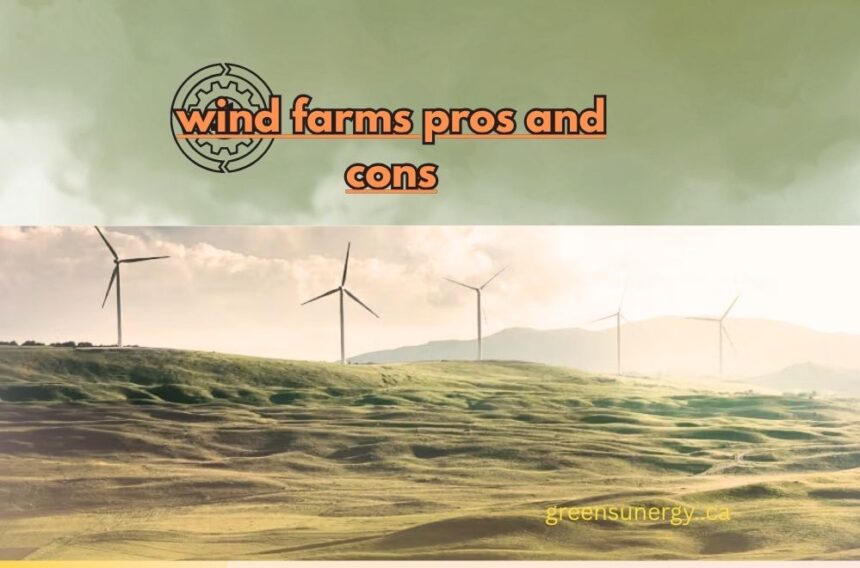
A wind turbine turns moving air into usable electricity through a spinning rotor and a generator. This process makes renewable energy without burning any fuel at all. Most modern farms group many turbines together across open land or open water to make the whole project worth building. From a distance, a large farm can look almost like a slow, silent forest of white towers.
On the plus side, wind power cuts carbon emissions and skips the need for fossil fuels. On the downside, some neighbours dislike the noise, the view, or the impact on local birds. Weighing wind farms pros and cons often comes down to where a person lives and what they value most about their surroundings.
Cost, land use, and community support all shape how a single project turns out in the end. A farm built far from homes tends to draw fewer complaints than one built close to a small town. Distance, size, and local wind speed all play a part in the final outcome. Even the shape of the surrounding hills can change how far the sound of the blades travels.
Read more about: solar energy light pole
How Wind Farms Turn Air Into Electricity
Wind first forms when the sun heats parts of the earth unevenly, pushing warm air up and pulling cooler air in behind it. This natural movement spins the giant blades on top of each wind turbine tower. A shaft inside the turbine then turns a generator, which produces electricity that flows straight into the local electricity grid.
Engineers place these towers on hills, open plains, or far out at sea, wherever the wind blows steady and strong. Taller towers and longer blades tend to catch more wind and produce more power per turbine. This is one reason many newer farms use larger machines than farms built twenty years ago.
Understanding this basic process makes it easier to judge wind farms pros and cons later in this guide. A simple, mechanical idea sits behind a technology that some people still find confusing or mysterious. Once the process feels clear, the debate around it feels far less complicated too. Most of the mystery around turbines disappears once a person sees how ordinary the core idea really is.
Wind Farms Pros And Cons For The Environment
Wind power creates clean energy without releasing smoke, soot, or planet warming gases into the sky. Compared with coal or gas plants, a wind farm avoids huge amounts of carbon emissions across its working life. This is often the single biggest point in favour of the whole technology.
Wind energy also uses almost no water, unlike many traditional power plants that need constant cooling. This matters a great deal in regions already facing water shortages or long dry seasons. A farm sitting on a windy ridge draws on a resource that never runs dry the way water or fuel can.
Even so, some environmental worries remain part of the honest picture. Turbine blades can strike birds and bats if a farm sits along a busy migration path. This is a real piece of wind farms pros and cons that planners now study closely before choosing a site.
Read more about:MyGreenBuckMyGreenBuck
Wind Farms Pros And Cons For Local Communities
A new wind farm often brings green jobs to a rural area, from construction crews to long term maintenance teams. Local landowners can also earn steady rent by leasing part of their land to a wind energy company. This extra income can support small towns that once relied only on farming or a single local industry.
On the other hand, some residents dislike the sound of spinning blades, especially at night when the area feels otherwise silent. Others feel the towers change the character of a view they have known their whole life. This kind of visual impact is subjective, yet it still shapes how people feel about a nearby project.
Community meetings and honest local input tend to smooth over many of these early concerns. A well planned project usually places turbines away from homes and schools wherever possible. This single choice can turn a tense debate into a fairly calm and cooperative process. Regular updates from the developer also help residents feel heard rather than simply informed after decisions are already made.
The Money Side Of Wind Farms Pros And Cons
Wind power has become one of the cheapest ways to add new electricity to a grid, once a project is built and running. Energy costs for wind have dropped sharply over the past decade, thanks to bigger turbines and smarter designs. This steady price drop is a major reason so many countries keep adding new capacity every single year.
Building a large wind farm still needs a big upfront investment before a single unit of power gets sold. Maintenance costs also add up over the years, especially for turbines built far offshore in rough seas. These early costs explain why some smaller companies avoid the wind sector altogether.
Government support, tax credits, and long term energy contracts often help balance out these early costs for developers. Looking closely at wind farms pros and cons from a purely financial angle, most studies still favour wind over older fossil fuel plants. The gap between the two keeps growing wider as turbine technology keeps improving. Investors have taken notice, which explains why so much new capacity keeps entering the market each year.
Wildlife And Land Concerns Around Wind Farms
Birds and bats face the clearest wildlife risk from spinning turbine blades, particularly along known flight paths. Careful land use planning can steer new farms away from these sensitive routes before construction even begins. Wildlife groups and energy planners now work together far more often than they did years ago.
Turbines also need open space, access roads, and cables running between each tower and the grid. This footprint can change how a stretch of land looks and feels, even if farming or grazing continues underneath the towers. Sheep, for example, often graze happily around the base of turbines with no trouble at all. This land use question is a quiet but real part of wind farms pros and cons that rarely makes the headlines.
Good planning rarely removes every concern completely, yet it can shrink most problems down to a manageable size. Site studies, bird radar systems, and smart blade controls all help lower the real world risk over time. Many operators now pause turbines briefly during peak migration windows, trading a little lost power for a real drop in wildlife risk.
Offshore Versus Onshore Wind Farms
Onshore wind farms sit on hills, plains, or ridges and usually cost less to build and connect to the grid. They also tend to draw more complaints about noise and views, since they often sit closer to towns and villages. Land is also easier and cheaper to prepare than open water.
Offshore wind farms sit far out at sea, where stronger and steadier winds can spin larger turbines almost around the clock. Building and repairing these towers costs more, since crews need boats, cranes, and careful weather planning. The reward, though, is a bigger and more reliable stream of clean power from each single site.
Both choices come with their own mix of benefits and headaches for planners and local residents alike. A country with long coastlines often leans toward offshore projects to avoid land disputes altogether. A landlocked country, naturally, has little choice but to build onshore instead. Either path still raises the same core wind farms pros and cons that every project must eventually face.
Weighing Wind Farms Pros And Cons For The Future
Looking across the whole picture, wind farms pros and cons rarely point to one single, easy answer for every location. A windy coastline with few neighbours makes a very different case than a crowded valley near a small town. Local wind speed, land use, and community feeling all shape the final decision in real projects.
Many energy experts still see wind as one of the strongest tools for cutting carbon emissions over the coming decades. Weighing wind farms pros and cons also means looking at storage, backup power, and grid upgrades needed for windless days. No single source of power solves every problem alone, and wind is no exception to that simple rule.
Given steady cost drops and growing turbine efficiency, most signs point toward more wind farms pros and cons debates in the years ahead. Communities, planners, and energy companies will keep negotiating over the best sites and the fairest terms. That ongoing conversation is, in many ways, a healthy sign of a maturing industry.
Final Thoughts
Wind power sits at an interesting crossroad between clean energy hopes and real world trade offs. Weighing wind farms pros and cons honestly means giving fair credit to both the benefits and the genuine local concerns. Neither side of the debate deserves to be brushed aside for the sake of a simple headline.
A well placed, well planned project can bring jobs, income, and clean power without causing lasting harm nearby. Anyone thinking seriously about wind farms pros and cons should look closely at the local site, not just the technology in general. A little research today can lead to a far more balanced view of this fast growing industry. Whatever a person ultimately decides, that decision is worth making with real facts rather than a quick glance at a photo online.
FAQs
What are the main wind farms pros and cons? The main pros include clean energy, lower carbon emissions and new local jobs, while the main cons include noise, visual impact and some risk to birds and bats.
Do wind farms harm nearby property values? Studies looking at wind farms pros and cons in this area show mixed results, with some areas seeing little change and others noting a small dip close to the turbines.
Are offshore wind farms better than onshore ones? Offshore farms often catch stronger, steadier wind, though they cost more to build, so the better choice depends on local conditions and budget.
How do experts usually weigh wind farms pros and cons? Most experts compare long term environmental gains against short term costs, noise and wildlife concerns before reaching a final, balanced view.