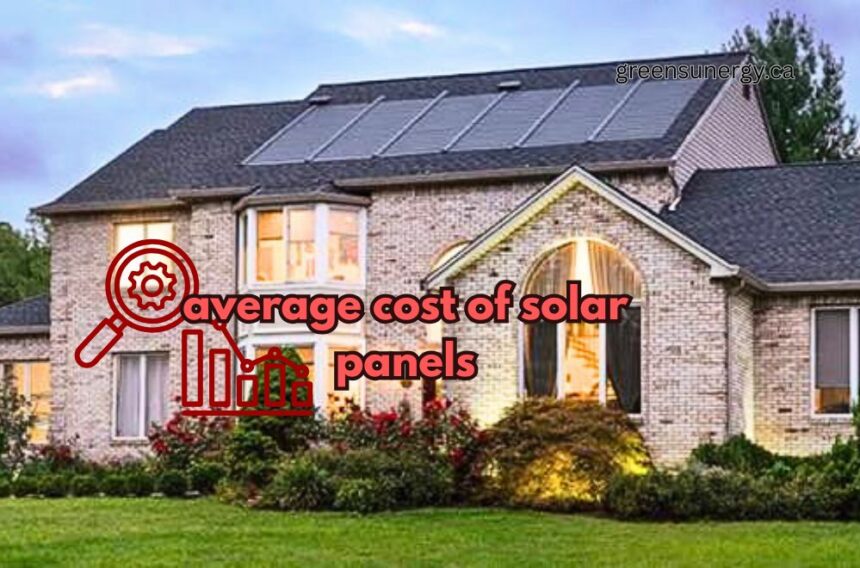
Many homeowners start their solar journey with one simple question. They want to know the average cost of solar panels before they call any installer. Prices shift often, so a clear look at the average cost of solar panels helps you plan your budget with confidence.
What Is the Average Cost of Solar Panels Today?
The average cost of solar panels sits between roughly two dollars and fifty cents and three dollars and twenty cents per watt in 2026, before any incentives. A typical home system between six and ten kilowatts often lands between eighteen thousand and thirty thousand dollars in total. This price covers the solar panels, the inverter, mounting hardware, wiring, permits, and full installation labor. Comparing the average cost of solar panels from a few local installers is the simplest way to spot a fair quote.
What Affects the Average Cost of Solar Panels
Several factors push your final price above or below the national average, including your roof shape and shading. System size matters too, since larger solar panel arrays often cost less per watt than smaller ones. Your state, your chosen installer, and your equipment brand all shape where your average cost of solar panels lands compared to your neighbors.
Read more about: Demainmail
Breaking Down the Price Per Watt
Solar panels themselves make up only about a quarter to a third of your total installation bill. Labor, racking, the inverter, and electrical wiring account for the rest of the price tag. Permits and inspection fees add a smaller but still real slice to your final invoice.
How System Size Changes the Average Cost of Solar Panels
A small six kilowatt system usually sits at the lower end of the average cost of solar panels, often between sixteen and twenty thousand dollars. A larger ten to twelve kilowatt system for a bigger home can push the total past thirty thousand dollars before any credits. Homeowners with high air conditioning use in warm states usually need bigger arrays, which shifts their average cost of solar panels higher despite a lower price per watt.
Read more about: 10kw solar system
Federal and State Incentives in 2026
The thirty percent federal residential solar tax credit officially ended for homeowner owned systems installed after December thirty first, two thousand twenty five. This change raises the real average cost of solar panels for anyone buying a system outright in 2026. State rebates, property tax exemptions, and net metering programs still lower your bill in many areas, so check local rules before you sign a contract.
Financing Options for Homeowners
Many homeowners use a solar loan to spread the average cost of solar panels over ten to twenty years. Solar leases and power purchase agreements let a third party own the system while you simply pay a lower monthly rate. Each option changes your monthly cash flow differently, so compare the full cost over time rather than just the sticker price.
Long Term Savings and Payback Period
Most homeowners recover the average cost of solar panels within nine to twelve years through lower electricity bills. A well built system can keep producing clean power for twenty five years or more with only light maintenance. Total savings over that lifetime often reach well into the tens of thousands of dollars, even without a federal tax credit.
How to Get an Accurate Average Cost of Solar Panels Quote
Ask at least three local installers for a written quote before you judge the average cost of solar panels in your area. A detailed quote should list panel brand, inverter type, warranty length, and full labor charges separately. A fair, transparent quote protects you from hidden fees and helps you compare the true average cost of solar panels apples to apples.
Final Thoughts
Understanding the average cost of solar panels puts you in a much stronger position before you sign any contract. Prices keep shifting as incentives change, so revisit the average cost of solar panels in your state before making a final decision. A little research now can save you thousands of dollars over the life of your system.
Frequently Asked Questions
What is the average cost of solar panels in 2026?
Most homeowners pay between two dollars and fifty cents and three dollars and twenty cents per watt before incentives. A typical system lands between eighteen thousand and thirty thousand dollars depending on size.
Does the federal tax credit still lower solar panel costs in 2026?
No, the thirty percent residential federal credit ended for homeowner owned systems after December 2025. State incentives and financing options can still reduce your net price.
How many solar panels does an average home need?
Most homes need between eighteen and twenty four panels to cover typical electricity use. Your exact number depends on your roof size, sunlight hours, and household energy demand.
How can I lower the average cost of solar panels for my home?
Compare quotes from several installers, ask about state rebates, and consider a slightly smaller system sized to your real usage. Financing through a loan can also spread the average cost of solar panels into manageable monthly payments.