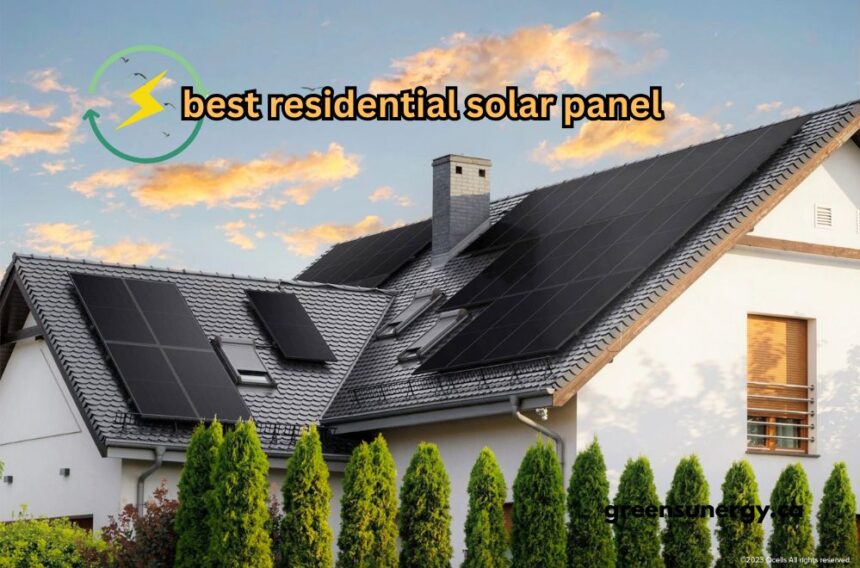
Finding the best residential solar panel feels overwhelming at first glance. Dozens of brands claim the top spot, and specification sheets read like a foreign language. The best residential solar panel for one home is not always the right fit for another, since roof size, budget, and energy goals all shape the final decision.
This guide breaks down the real factors that separate a strong panel from an average one. We will look past marketing claims and focus on efficiency, technology, warranty terms, and cost. A few observations from real installations are mixed in, since spec sheets rarely tell the whole story.
Most people shopping for a new roof cover know exactly what they want within an hour of research. Solar panels deserve that same level of clarity, yet the sheer number of brands and technical terms often leaves buyers more confused than when they started. This guide aims to close that gap.
What Makes the Best Residential Solar Panel Stand Out
Choosing the best residential solar panel starts with understanding what actually drives performance. Efficiency, durability, and warranty length matter far more than brand recognition alone.
Efficiency rating measures how much sunlight a panel converts into usable electricity. Higher efficiency panels produce more power from the same roof space, which matters greatly on smaller residential rooftops. Build quality plays an equally large role. A well constructed panel resists heat, cold, hail, and years of weather exposure without losing significant output. This durability is often what separates a truly excellent panel from one that merely looks impressive on paper.
Frame design contributes to that durability more than most buyers realize. A sturdy aluminum frame with reinforced corners handles snow load and wind pressure far better than a thin, budget frame, even when the internal cells are otherwise identical.
Read more about: nexus aliensync
Understanding Solar Cell Technology
Solar cell technology has advanced quickly over the past few years. Monocrystalline cells, cut from a single silicon crystal, remain the residential standard due to their strong efficiency and compact size.
N type TOPCon technology has become increasingly common in newer panels. This design reduces electrical resistance and improves performance in low light conditions, giving homeowners more consistent output across cloudy days. Adoption of this technology has grown remarkably fast across the industry. What was a niche feature just a few years ago now appears on a majority of new residential panels, largely because the manufacturing cost gap compared to older designs has narrowed considerably.
Older polycrystalline panels still exist on the market but have largely fallen out of favour. They cost less per unit but need more roof space to produce the same output, making them a poor fit for most modern residential projects. This technology gap is a major reason monocrystalline dominates any list of the best residential solar panel picks today.
Read more about: commercial solar panels
Panel Types Compared for Residential Use
Comparing panel types helps homeowners understand why the best residential solar panel choices lean heavily toward monocrystalline technology. Monocrystalline panels deliver higher efficiency and a sleeker, uniform black appearance that many homeowners prefer.
Thin film panels serve a different purpose entirely. Their flexibility suits portable setups, recreational vehicles, and certain commercial roofs, but they rarely make sense for a standard residential rooftop installation. Heterojunction technology represents a newer hybrid approach. It combines elements of crystalline silicon with thin film layers, often achieving excellent temperature performance alongside strong overall efficiency numbers.
This hybrid design tends to carry a higher price tag, which keeps it slightly less common in standard residential projects. Homeowners planning to stay in a property for decades sometimes find the extra cost worthwhile given the performance gains during hot weather.
Efficiency Ratings and the Best Residential Solar Panel Choices
Efficiency ratings for the best residential solar panel options today typically fall between twenty and twenty three percent. This range represents a meaningful improvement over panels sold just five years ago.
A one or two percent efficiency difference might sound small, but it compounds significantly across twenty five years of production. Homeowners with limited roof space benefit the most from choosing higher efficiency options. City lots with tight roof footprints illustrate this well. A homeowner working with a small, steep roof often gets more usable energy from a smaller number of high efficiency panels than from a larger quantity of cheaper, lower efficiency units crammed into the same space.
Temperature coefficient deserves attention too. This number shows how much output drops as panel temperature rises. A lower coefficient means better performance during hot summer afternoons, which matters in many climates across the country. This single spec often gets overlooked, yet it strongly influences whether a panel earns the title of best residential solar panel for hot climate regions.
Degradation Rates and Long Term Performance
Every panel loses a small amount of output capacity each year. This gradual decline is called degradation rate, and it varies meaningfully between manufacturers and technologies.
Older panel designs often degraded around half a percent annually. Newer N type technology has pushed that number down significantly, sometimes below a quarter percent per year, which preserves far more total output over a system’s lifetime. Over a full twenty five year period, this difference can mean several percentage points of extra retained output by the end of the warranty term. That gap translates directly into real dollars saved, especially for households that plan to stay in their home for the long haul.
Real world performance data matters more than laboratory claims. A trustworthy manufacturer publishes independently verified degradation figures rather than relying purely on internal testing results. Homeowners hunting for the best residential solar panel should always ask to see this third party data before deciding.
Warranty Coverage on the Best Residential Solar Panel Options
Warranty length reveals a great deal about manufacturer confidence. The best residential solar panel brands typically offer product warranties covering twenty five years or longer against defects.
Performance warranties are separate from product warranties and guarantee a minimum output level over time. A strong performance warranty might promise ninety percent output retention after twenty five years, protecting homeowners from steep long term decline. Some premium manufacturers now offer warranties reaching forty years, far beyond the old industry standard. This extended coverage often signals genuinely superior build quality rather than simple marketing positioning.
Reading the fine print on any warranty document matters greatly. Some coverage excludes labour costs for removal and reinstallation during a claim, which can leave a homeowner facing a surprisingly large bill even when the panel itself is replaced free of charge.
Roof Size and Panel Placement
Roof size directly influences which panels make sense for a given home. A smaller roof benefits most from higher efficiency panels, since fewer units are needed to reach a target energy output.
Shading patterns across the day also affect placement decisions. Even partial shade on a single panel can reduce output across an entire connected string, depending on the inverter configuration used. Microinverters and power optimizers can reduce this shading penalty considerably. Each panel operates more independently under these setups, so one shaded unit no longer drags down the output of every other panel connected to the same circuit.
Orientation matters as well. South facing sections of a roof generally produce the most energy, though east and west facing areas can still contribute meaningfully to total daily production. Matching panel placement to real roof conditions is just as important as picking the best residential solar panel model on paper.
Brand Reputation and Certifications
Brand reputation should rest on verifiable data rather than advertising alone. Independent testing organizations regularly publish efficiency and reliability rankings that offer a more objective comparison than manufacturer claims.
Tier one manufacturers generally carry stronger financial backing, which matters if a warranty claim arises many years after installation. A financially unstable company may struggle to honour long term promises. Bankruptcy protection clauses buried in some warranty documents are worth a careful read too. A handful of manufacturers partner with third party warranty insurers specifically to protect homeowners if the original company ever closes its doors.
Certifications from recognized testing bodies confirm that a panel has survived rigorous hail, wind, and thermal cycling tests. These certifications provide real assurance beyond a manufacturer’s own marketing materials. A panel that passes every one of these checks has a strong claim to being called the best residential solar panel in its price class.
Cost Factors Behind the Best Residential Solar Panel
Cost factors behind the best residential solar panel choice extend well beyond the sticker price. Price per watt varies by brand, efficiency, and warranty length, so comparing raw dollar figures alone can mislead buyers.
A slightly more expensive panel with stronger efficiency and a longer warranty often delivers better long term value than the cheapest option available. Total lifetime production, not upfront cost, should guide the final decision. Installation labour and equipment costs also factor into the total project price. A homeowner should request a full breakdown separating panel cost from labour, mounting hardware, and inverter equipment before comparing quotes.
Financing terms can shift the real cost picture too. A loan with a slightly higher panel price but a lower interest rate sometimes beats a cheaper system paired with expensive financing, so it pays to run the full numbers rather than comparing sticker prices in isolation.
Final Thoughts
Finding the best residential solar panel comes down to balancing efficiency, durability, and warranty strength against available budget. No single brand fits every roof or every household equally well.
Anyone shopping for the best residential solar panel should compare specification sheets carefully and ask installers direct questions about degradation rates and real world performance. A thoughtful comparison today leads to reliable, quiet savings for decades to come.
Frequently Asked Questions
What efficiency should the best residential solar panel offer?
Look for efficiency ratings between twenty and twenty three percent, since this range represents current top tier residential technology.
Which panel technology is considered the best residential solar panel option today?
Monocrystalline panels using N type TOPCon technology are widely considered the strongest choice for most residential rooftops in 2026.
How long should warranties last on the best residential solar panel?
Look for product and performance warranties covering at least twenty five years, with some premium brands now offering coverage up to forty years.
Does roof size affect which panel option works best for a home?
Yes. Smaller roofs benefit most from higher efficiency panels, since fewer units are needed to reach the same total energy output.