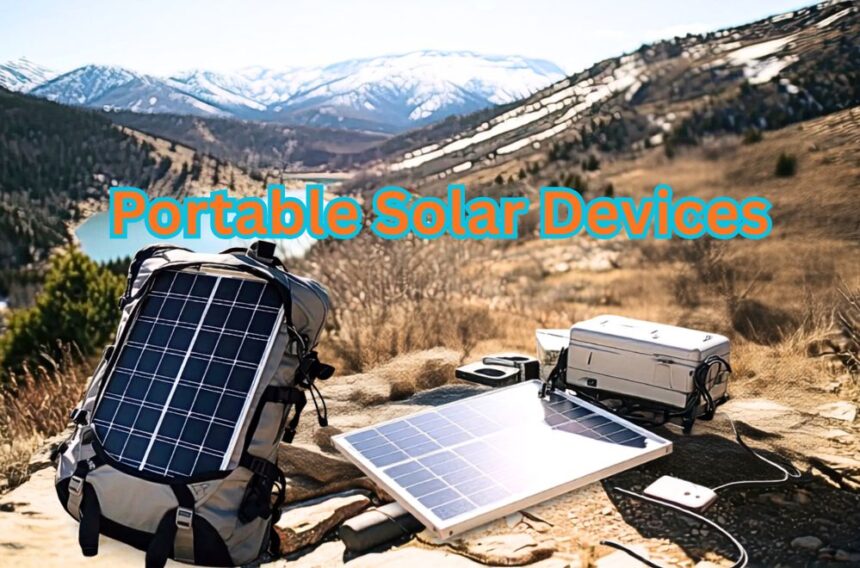
Portable Solar Devices make clean power available anywhere you go. I first used a set of Portable Solar Devices on a weekend camping trip. Charging my phone under open sky felt like magic. This guide walks through everything you need to know. We keep every sentence short. We keep the language simple. Let’s explore how these small panels change the way we travel and camp.
What Are Portable Solar Devices
Portable Solar Devices are compact panels that turn sunlight into electricity. They fold down small enough to fit inside a backpack. Campers, travelers, and outdoor workers all rely on them daily. Unlike rooftop systems, these units need no permanent mounting. You simply unfold them and place them in direct light. This makes them perfect for road trips, picnics, and remote job sites.
Most models include a USB port or output cable. This lets you charge phones, lights, and small electronics right away. Larger kits pair with a battery pack for extended power storage. Weight and size vary quite a bit across brands. Some units fold down to the size of a paperback book. Others unfold into a much larger surface area for higher output. Choosing the right size depends heavily on how much power your devices actually need each day.
How Portable Solar Devices Work
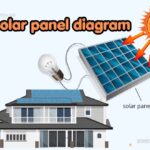
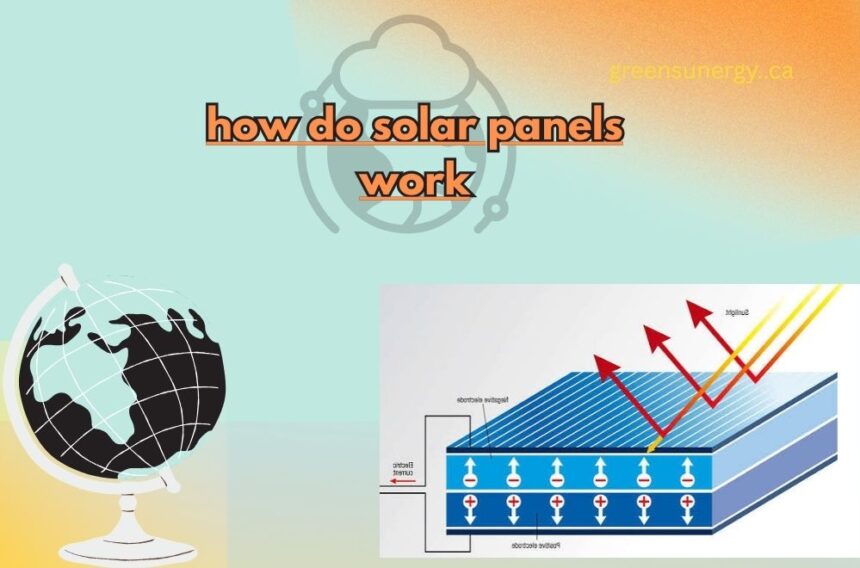
Every panel uses photovoltaic cells to capture sunlight. These cells sit inside a protective layer that shields them from scratches and moisture. Sunlight striking the cells creates a flow of electrons, producing direct current electricity.
A built in or external inverter then converts that direct current into alternating current. This step allows the power to run standard devices and appliances. Without an inverter, you are limited to devices that accept direct current only.
Good solar kits also include voltage regulators. These protect your electronics from sudden power spikes. A regulator keeps charging steady even when sunlight intensity changes throughout the day.
Some higher end kits add a small digital display too. This screen shows real time wattage and battery percentage. Watching these numbers helps you plan charging sessions around your daily schedule more effectively.
read more about: solar rooftop system
Why They Matter for Travel
Adventure travelers depend on Portable Solar Devices to stay connected off grid. A dead phone battery in a remote location can turn into a real safety problem. Solar charging removes that worry completely.
These devices also reduce reliance on noisy generators. Campsites stay quieter and cleaner when everyone switches to solar power. Many national parks now encourage visitors to bring solar chargers instead of fuel powered ones. Business travelers have started packing smaller kits too. A quick charge during a layover keeps laptops and phones ready for meetings. This trend has pushed manufacturers to design sleeker, more office friendly panel designs.
Beyond travel, a good solar kit helps during emergencies. Power outages after storms leave many homes without electricity for days. A charged solar kit keeps essential devices running until the grid returns.
Types of Portable Solar Devices Available
Phone chargers represent the smallest category. These lightweight panels output around five to fifteen watts. Hikers love them because they add almost no weight to a pack. Flexible foldable panels sit in the middle range. They open like a suitcase and produce between twenty and one hundred watts. This makes them ideal for charging laptops or small power banks during longer trips.
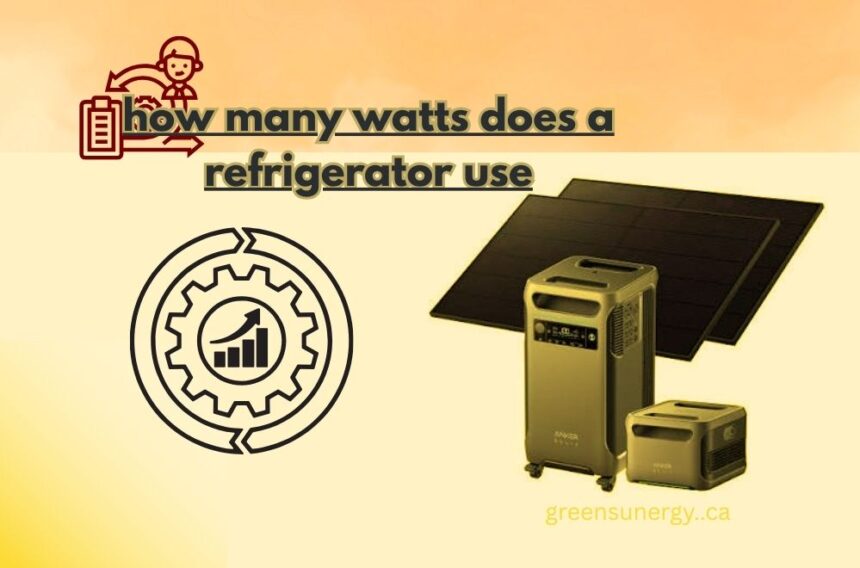
Rigid panels sit at the top of the range. These sturdy units generate anywhere from fifty to three hundred watts or more. Basecamps and emergency shelters often rely on this style for steady daily output. A newer category called hybrid kits has also gained attention. These combine a foldable panel with a built in battery pack in one unit. This design removes the need to carry separate cables and storage devices during shorter trips.
How to Choose the Right Kit for You
Start by listing the devices you actually plan to charge. A phone and a small light need far less wattage than a laptop or a mini fridge. Matching your panel size to real needs prevents wasted money on excess capacity. Weight matters just as much as output for hikers and backpackers. A lighter panel with slightly lower wattage often beats a heavier one that slows you down. Travelers driving to a campsite can afford a bigger, heavier rigid panel without much trouble.
Budget also plays a role in the final decision. Entry level kits cover basic phone charging needs affordably. Premium kits with higher wattage and smart displays cost more but reward frequent users with faster, more reliable charging.
Advantages of Choosing Portable Solar Devices
Mobility stands as the biggest benefit. You can carry these units anywhere without special tools. Setup usually takes just a few minutes once you reach your destination.Cost savings build up over time as well. After the initial purchase, sunlight remains completely free. Families who camp often can recover their investment within a couple of seasons.
Environmental impact also matters to many buyers. Choosing Portable Solar Devices over gas generators cuts emissions significantly. This choice supports cleaner air at campsites and reduces your overall carbon footprint.
Limitations to Consider Before Buying
Weather still limits output significantly. Cloudy or rainy days reduce the electricity these panels generate. Planning backup power for extended bad weather remains a smart habit. Storage capacity also stays limited compared to full home systems. Most units work best for small devices rather than large appliances. Pairing your panel with a dedicated battery pack helps stretch your available power further.
Price per watt tends to run higher than fixed rooftop systems. This trade off comes from the convenience and portability these devices offer. Buyers should weigh flexibility against raw cost before committing to a larger kit.
Extreme temperatures can also affect performance slightly. Very hot surfaces sometimes lower overall output during peak afternoon hours. Placing your panel with some airflow underneath helps keep the cells running at a cooler, more efficient temperature.
Caring for Your Solar Kit
Regular cleaning keeps output at its best level. Dust and grime block sunlight from reaching the cells underneath. A soft cloth and mild soap usually handle most cleaning jobs.
Check cables and connectors before every trip. Loose or damaged wiring reduces charging speed noticeably. Replacing a worn cable is far cheaper than replacing the entire panel. Store your solar kit in a dry place between uses. Moisture buildup can damage the internal wiring over time. A protective case adds an extra layer of safety during transport.
Extreme cold storage can also shorten battery life for kits with a built in pack. Keeping your gear somewhere with a mild, stable temperature helps everything last longer between seasons.
Final Thought
Portable Solar Devices offer a simple path toward energy independence on the road. They support campers, travelers, and anyone facing an unexpected power outage. Investing in quality Portable Solar Devices now pays off through years of reliable, free charging power. Take time to compare wattage, weight, and price before choosing the kit that fits your lifestyle.
FAQS
How Long Do Portable Solar Devices Last
Most quality panels last several years with proper care. Regular cleaning and safe storage extend their working life significantly.
Can Portable Solar Devices Charge a Laptop
Larger panels paired with a power bank can charge laptops effectively. Smaller phone chargers usually lack the wattage needed for bigger devices.
Are They Worth the Investment
Yes, especially for frequent campers and remote workers. Free charging power adds up quickly over repeated trips and outages.
Do Portable Solar Devices Work on Cloudy Days
They still generate some power, though output drops noticeably. Pairing your panel with a battery pack helps cover gaps during low sunlight days.