The solar rooftop system has quickly become one of the smartest upgrades a homeowner can make today. Modern rooftop solar setups now pack more efficiency into fewer panels, thanks to better silicon cells and smarter inverters. Government tax credit programs and easier financing options have also made a solar rooftop system far more affordable than it was even a few years ago. Whether you live in a small home or a large one, today’s rooftop system can be sized to match your roof space, your energy needs, and your budget.
Difference Between Monocrystalline And Polycrystalline Decoded
Every solar shopper eventually hits the same question. What is the real difference between monocrystalline and polycrystalline solar panels? I have answered this question for dozens of homeowners standing on their own roofs, tape measure in hand. The short answer sits inside the silicon crystal itself, and that one detail changes almost everything else about the panel.
A monocrystalline cell comes from a single pure silicon ingot. A polycrystalline cell forms when factories melt many small silicon fragments together. That single design choice creates the difference between monocrystalline and polycrystalline panels in price, looks, and power output. Both panel types still qualify for the federal solar tax credit, so you never lose that benefit either way.
How Silicon Purity Creates a Gap in Performance
The silicon inside every cell decides how easily electrons can travel. A monocrystalline cell is sliced from one clean crystal, so its internal path stays smooth. Electrons move through that smooth path with very little resistance.
A polycrystalline cell tells a messier story. Melted silicon fragments cool into many tiny crystals packed inside one wafer. Those extra crystal borders slow down some electron flow. This uneven movement is the hidden root of the difference between monocrystalline and polycrystalline efficiency numbers you see in every spec sheet.
I like to picture this as two crowded hallways. One hallway has no walls, and people walk straight through. The other hallway has small partitions everywhere, and people have to zigzag around them. Neither hallway is broken, but one clearly moves faster.
Once you understand this crystal structure, the wider difference between monocrystalline and polycrystalline panels starts making sense on its own. Almost every other comparison in this article traces back to this one physical detail.
Cost as the First Difference between monocrystalline and polycrystalline Panels
Price is usually where buyers begin comparing options. Growing a single silicon crystal takes slow, careful heat control and skilled labour. That extra effort explains the price side of the difference between monocrystalline and polycrystalline panels almost completely.
Polycrystalline panels skip that slow step entirely. Factories simply pour molten silicon into a mild and let it cool. Wiring, racking, inverters, and installation labour cost roughly the same no matter which panel sits on your roof, so the crystal type alone drives most of the price gap.
Smaller roofs flip this math a little. Fewer, stronger monocrystalline panels can sometimes replace a larger stack of cheaper panels. Fewer panels can also mean less mounting hardware and a quicker install day. The higher price tag can pay for itself faster than people expect.
A full cost comparison should never look at panel price alone. Ask your installer for a quote that lists labour, permits, and equipment separately, so the difference between monocrystalline and polycrystalline pricing becomes clear rather than hidden inside one lump sum.
Efficiency and Power Output You Should Compare
Numbers make this section simple. Premium monocrystalline panels often cross 20 percent efficiency in modern product lines. Standard polycrystalline panels usually land in the middle teens instead.
That efficiency gap connects directly to something called spectral response, a term describing how well a panel reacts to shifting light through the day. Monocrystalline panels tend to start producing power earlier in the morning and keep going a bit later at night. Over a full year, this small window adds real kWh to your electric meter.
Roof space decides how much this gap actually matters to you. A small or oddly shaped roof benefits the most from squeezing extra efficiency out of every panel. A large open roof can absorb the lower output of polycrystalline panels without any real penalty.
This is exactly where the practical difference between monocrystalline and polycrystalline panels shows up on your monthly bill. A few extra percentage points of efficiency, multiplied across 25 years of sunshine, quietly add up to real savings.
The Difference between monocrystalline and polycrystalline in Lifespan and Warranty
Buyers often assume a pricier panel automatically lasts longer. That assumption is not really true for the difference between monocrystalline and polycrystalline panels. Both technologies usually carry a lifespan of 25 years or more before output drops in a meaningful way.
A warranty tells you far more than crystal type ever will. Manufacturers typically back panels with a physical warranty and a separate performance warranty. That performance promise often guarantees roughly 80 percent output after 25 years, no matter which crystal sits inside the cell.
I have seen aging polycrystalline arrays still running strong on client roofs after two decades. I have also watched a few monocrystalline systems fail early because of sloppy installation, not weak cells. Pick a trustworthy installer, and either panel should easily outlast your mortgage.
On the topic of durability, the difference between monocrystalline and polycrystalline panels turns out to be genuinely small. Save your worry for installer quality instead of crystal type.
Aesthetics, Colour and Roof Appeal
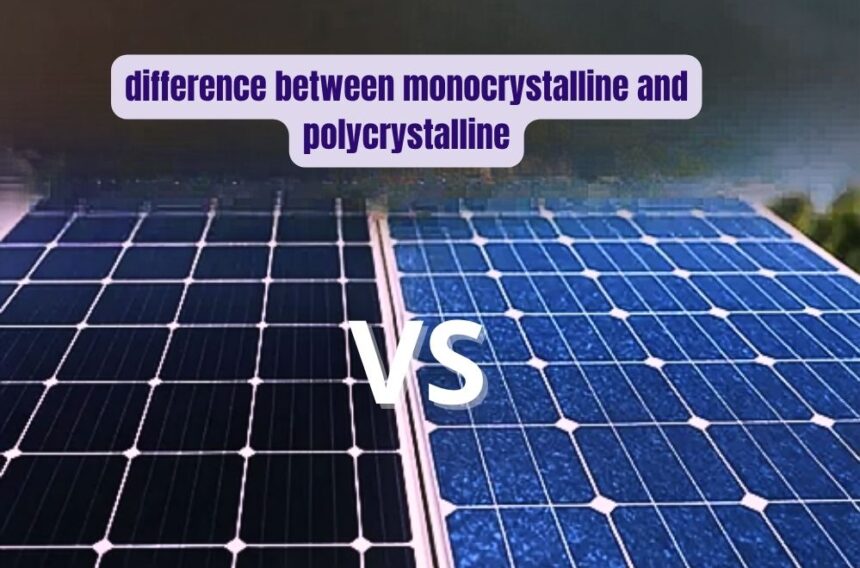
Looks matter more than most technical articles admit. Monocrystalline cells carry a deep, even black shade that many homeowners find sleek against dark shingles. Polycrystalline cells show a speckled blue tint created by their many small crystals.
Neither colour changes how much power a panel makes. A dark roof often hides monocrystalline panels beautifully, almost blending them into the surface. A lighter roof can make the blue polycrystalline tone stand out a little more.
Walk around your own neighbourhood before you decide anything. Seeing both colours installed on real roofs helps far more than staring at a product photo online. Your personal taste should carry real weight in this part of the decision.
read more about: solar rooftop system
Understanding the Difference between monocrystalline and polycrystalline for Your Home
Choosing between these two options comes down to three practical questions. How much usable roof space do you actually have for your PV system? How are you financing the purchase, through cash, a loan, or a power purchase agreement? Does panel colour matter to you or to your neighbourhood rules?
Tight roofs paired with a healthy budget usually favour monocrystalline panels because of their stronger efficiency per square foot. Open roofs paired with a tighter budget often make polycrystalline panels the smarter pick. Once you weigh these three questions honestly, the difference between monocrystalline and polycrystalline stops feeling confusing.
Financing structure deserves one more look before signing anything. Buyers who own their system outright tend to chase every extra kWh, which favours monocrystalline panels over time. Buyers using a lease or a power purchase agreement worry less about squeezing out maximum production, since their savings depend on usage rather than ownership.
Temperature Performance Difference between monocrystalline and polycrystalline Panels
Hot weather changes how any solar panel behaves. Every panel carries a temperature coefficient, a number showing how much output drops as heat climbs. A rating closer to zero means the panel loses less power on scorching afternoons.
Monocrystalline panels usually post a better, closer to zero temperature coefficient than their counterparts. Polycrystalline panels still work fine in the heat, they simply lose a touch more output as temperatures rise. Desert regions and long, hot summers make this small gap more noticeable across a full billing year.
Snow, dust, and partial shade add another wrinkle worth mentioning here. Some field reports suggest monocrystalline strings can be more sensitive to partial shading on one panel. Polycrystalline arrays tend to tolerate light shade or dust a touch more gracefully, though a simple micro inverter can fix most shading issues for either type.
Weighed together, temperature and shading rarely decide the full difference between monocrystalline and polycrystalline panels on their own. They simply add small adjustments on top of your cost and efficiency decision.
Frequently Asked Questions
Is one panel type always better than the other?
No single answer fits every home. Monocrystalline wins on efficiency and looks, while polycrystalline wins on upfront price. Your roof size, budget, and personal taste should guide the final decision.
Can monocrystalline and polycrystalline panels be mixed on one roof?
Technically yes, though most installers avoid it. Voltage, wattage, and amp ratings differ enough between the two crystal types that mixing can create wiring headaches. A licensed installer should review your setup first.
Does panel colour affect how much electricity it produces?
No. The black or blue tint comes purely from crystal structure, not from any hidden performance feature. Pick a colour based on how it looks on your roof, not on output.
Which option lasts longer overall?
Both typically carry a similar 25 year lifespan and warranty structure. Installation quality and local climate usually matter more than the crystal type sitting inside the panel.
Understanding the full difference between monocrystalline and polycrystallinepanels really comes down to your roof, your budget, and your patience for a payback period. Either technology will lower your electric bill for decades to come. Take time to compare real quotes before committing, since installer quality often matters more than the crystal choice itself.
Final Thought About Solar Rooftop System
A solar rooftop system is no longer a luxury reserved for a few homes, it has become a practical way to cut electricity bills for almost anyone. As panel technology keeps improving, a well planned solar rooftop system pays for itself faster than most people expect. If you are ready to lower your energy costs and rely less on the grid, installing a solar rooftop system today is one of the smartest long term decisions you can make for your home.