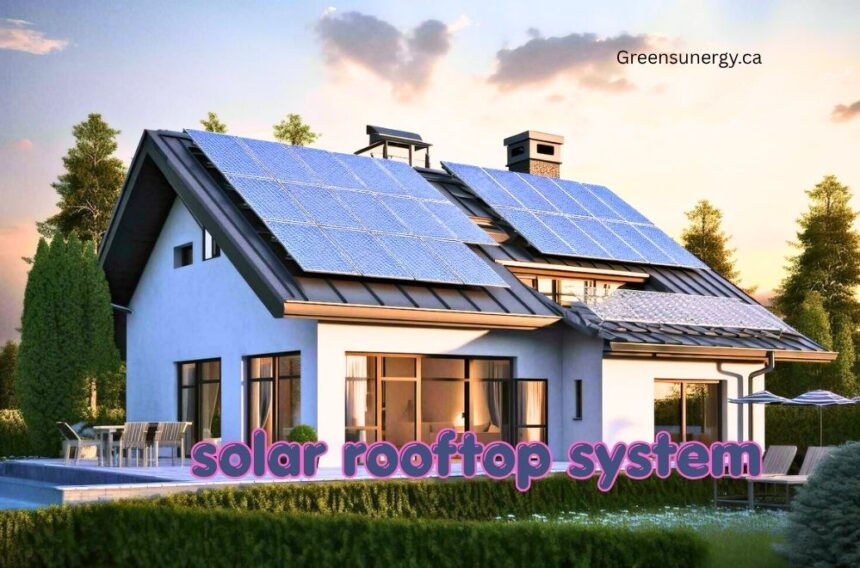
A solar rooftop system turns plain sunlight into daily power for your house. I have watched neighbours install one panel row at a time, and the change in their monthly bill is real. This guide walks you through the full picture in plain words.
What Is A Solar Rooftop System
A solar rooftop system sits on top of your house and catches sunlight all day. It uses photovoltaic cells to change light into usable electricity. Most homes in sunny areas can run a good part of their daily load this way.The setup includes solar panels, wiring, and a small control box on the wall.
Each panel holds many tiny cells that react to light. Even cloudy days still give some output, just less than a bright noon. Many owners tell me the biggest shock is how quiet the whole unit runs. There is no noise, no smoke, and no moving parts. That alone makes it a calm addition to any roof.
How A Solar Rooftop System Works
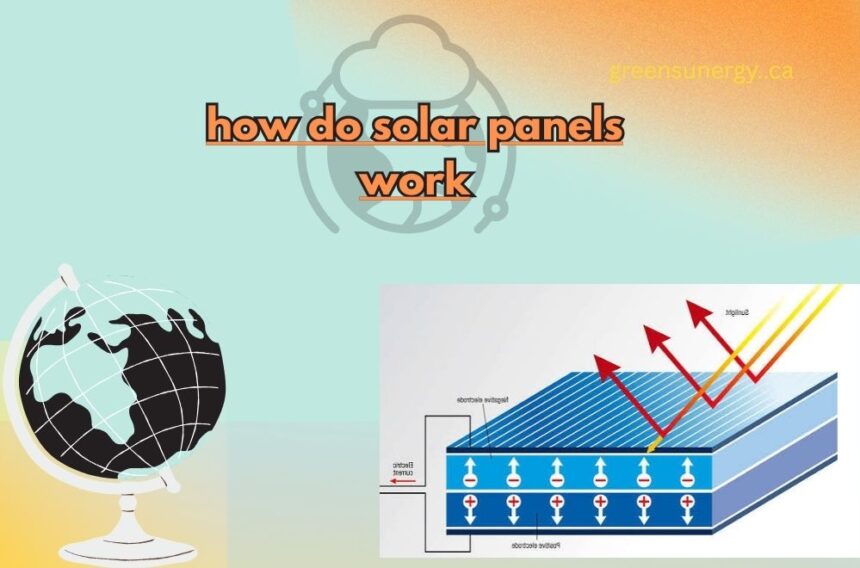
Sunlight lands on the panel and wakes up the photovoltaic cells inside. This creates a flow of direct current, which is raw and unusable by home devices. The system then sends this power to a small machine called an inverter.The inverter changes that raw current into alternating current, the type your fan, fridge, and lights need.
From there, the power moves straight into your home wiring. Extra power that you do not use can travel back to the main grid.This is where net metering enters the story. Your local utility company installs a special meter that counts power sent out and power drawn in.
Types Of Rooftop Solar Setups
Homeowners can pick from three common builds. A grid connected setup stays linked to the public power line and uses net metering for balance. An off grid setup stands alone and depends fully on battery storage for night use.A hybrid build mixes both worlds. It keeps a grid link for backup and still holds a battery storage unit for outages.
Many families pick hybrid because it offers safety without losing the metering benefit.Roof shape and family power needs decide the right fit. A small flat home may only need a compact array. A larger bungalow with heavy daily use may call for a wider spread of panels.
read more about: used solar panels
Main Parts Of The Setup
Every build needs a few core pieces to run well. Solar panels sit on top and gather raw sunlight through the day. The inverter box changes that raw current into home ready power.Mounting frames hold the panels firm against wind and rain. Cables link every part together and carry the current safely. A battery storage unit, where fitted, stores spare power for later hours.
A monitoring app often comes bundled with the kit today. It shows daily output, weather effect, and small faults if any appear. I check mine most mornings just out of habit now.A solar rooftop system needs very little care once it runs. A quick wipe of dust every few weeks keeps output steady. Rain does most of this cleaning job on its own in most seasons.
Cost And Savings From A Solar Rooftop System
The upfront installation cost of a solar rooftop system depends on roof size and panel count. A small home setup costs less than a large commercial roof job. Prices have also dropped a lot over recent years.Once fitted, the electricity bill drops fast for most families.
Many owners report savings between forty and seventy percent each month. Over time, the saved amount often covers the full installation cost.A solar rooftop system also raises property value in most markets today. Buyers like a home that already carries lower running costs. This makes the whole investment feel safer for the long run.
Government Subsidy And Net Metering Support
Many regions now offer a government subsidy to push more homes toward clean power. This subsidy can cover a real chunk of the total setup price. Local energy offices usually list the current rate on their websites.Net metering rules also help owners earn credit for unused power.
This credit rolls over and lowers future bills during weak sun months. Rules do change by region, so a quick local check always helps.Some banks and lenders also offer low rate loans for solar work. This makes the first payment lighter for many households. I always tell friends to compare two or three loan offers before signing.
read more about: prizmatem
Why A Solar Rooftop System Is Worth The Investment
A solar rooftop system cuts your carbon footprint in a direct and daily way. Every unit made from sunlight is a unit not pulled from fossil fuel. That shift adds up fast across a full year.Energy prices keep rising in most cities year after year.
A solar rooftop system locks in cheaper power for the next two decades. This kind of long return on investment is hard to match elsewhere.Panels also carry long warranty cover from most makers today. A twenty five year cover is now common in the market. That gives buyers real peace of mind for the full panel life.
FAQs
Is a solar rooftop system worth it for a small home?
Yes, even a small home can gain real savings once the setup runs. The installation cost is lower for small roofs too.
What is the typical life span of a solar rooftop system?
A well built setup often stays active for well over two decades. Makers back most panels with a solid warranty, and a bit of upkeep stretches that life span further.
Will overcast weather stop a solar rooftop system from producing power?
Panels slow down under thick cloud cover but never switch off completely. A bright, open sky still pulls in the biggest daily numbers
Can I add battery storage later to my solar rooftop system?
Yes, most setups allow a later upgrade with battery storage added. This gives backup power during grid outages.
Final Thoughts On Choosing A Solar Rooftop System
A solar rooftop system fits almost any home with steady sunlight through the year. It lowers bills, adds property value, and cuts daily carbon output. The setup pays for itself over time and keeps working for decades.Talk to a licensed solar company before you commit to any plan. Ask about panel brand, warranty, and expected yearly output for your roof.
A little homework upfront saves regret later.I made this switch at home two years back and never looked back once. The quiet hum of clean power running my house still feels good every single day. Small steps like this add up to a real change over time.