Understanding How a Grid tied solar system Works for Canadian Homeowners
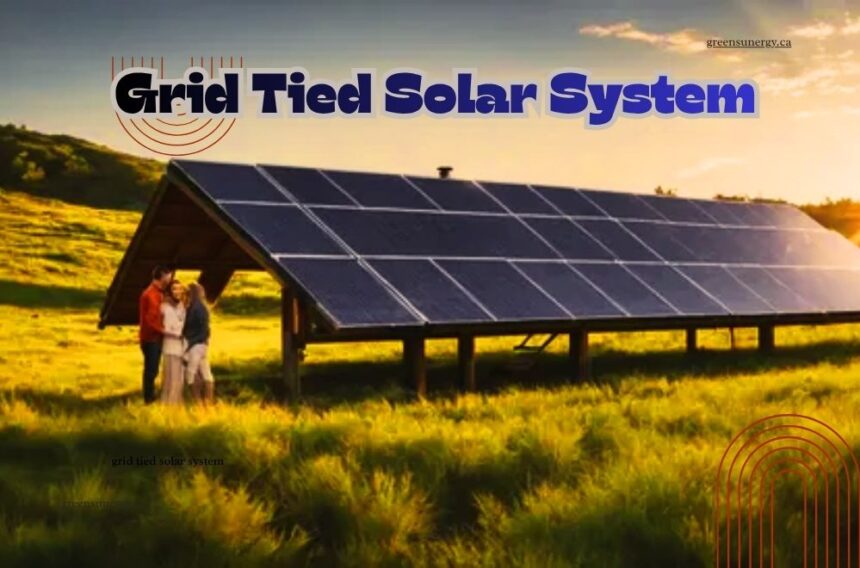
A grid tied solar system represents one of the smartest energy choices Canadian homeowners can make right now. I’ve watched this technology evolve over fifteen years, and the transformation is remarkable. Your home connects directly to the utility grid while solar panels harvest energy from sunlight. When your grid tied solar system generates more power than you need, that excess electricity flows back to the grid, and you earn credits through net metering programs.
The beauty of a grid tied solar system lies in its simplicity and efficiency. Unlike off-grid setups, you don’t need massive battery banks or complex storage solutions. Your solar array works alongside your utility connection, giving you the flexibility to draw power when the sun isn’t shining. In provinces like Ontario, British Columbia, and Alberta, homeowners save thousands annually through this approach. The utility grid acts as your backup, while renewable energy reduces your carbon footprint simultaneously.
This setup appeals to urban and suburban property owners who have reliable grid access. Your grid tied solar system automatically adjusts to weather conditions, and smart microinverters optimize performance from each panel independently. The combination creates efficiency that traditional setups simply cannot match. Every kilowatt-hour generated reduces your dependence on fossil fuels while lowering your monthly electricity expenses.
Why Canadian Homes Benefit from Grid tied solar system Solutions
The financial advantages of installing a grid tied solar system become obvious within the first year of operation. Most homeowners I’ve consulted experience immediate reductions in their utility bills, especially during peak usage months in summer and winter. Your solar power system pays for itself through consistent electricity generation and net metering credits. The average Canadian home with a properly sized grid tied solar system sees payback periods between six and ten years.
Beyond the money, there’s the independence factor. You’re no longer entirely dependent on utility rate increases, which have climbed steadily across Canada. Your solar installation protects you from future price hikes while providing stable, predictable energy costs. Battery backup options now allow grid tied solar systems to double as hybrid setups, giving you power during outages if you want that extra security.
The environmental impact deserves mention here too. Every home running a grid tied solar system means less demand on coal and natural gas power plants. You’re contributing to cleaner air, particularly important for children and elderly family members. The renewable energy your home produces has a lifespan of 25 to 30 years, creating decades of clean power generation without emissions or maintenance headaches.
Long-Term Savings and Return on Investment for Your Grid tied solar system
Installing a grid tied solar system represents one of the wisest financial decisions you can make for your home. I’ve analysed hundreds of installations across Canada, and the numbers consistently show impressive returns. Your initial investment drops by 30-40% when factoring in government rebates and tax credits available to homeowners. Most Canadian properties see their solar system completely paid off through electricity savings and net metering credits within seven to nine years.
After the payback period, your solar panels continue generating free electricity for the next 20-25 years. This means decades of zero electricity bills from your renewable energy system. The average Canadian home saves between $35,000 and $50,000 over the solar system’s complete lifespan. Your property value increases substantially when equipped with a functioning solar installation, attracting buyers who appreciate lower energy costs. The utility grid connection ensures you’re never without power, while your solar array works quietly in the background reducing expenses month after month.
Read more about: batteries agm batteries
Maintenance Requirements and Warranties for Grid tied solar systems
Your grid tied solar system demands minimal maintenance compared to other home systems. Solar panels need occasional cleaning to remove dust, leaves, and bird droppings that reduce light penetration. In winter, clearing snow build up every few weeks ensures optimal performance. Professional inspections every two to three years verify that electrical connections remain tight and components function properly. Most homeowners spend less than $200 annually on basic maintenance for their solar system.
Manufacturer warranties typically protect your solar panels for 25 years against defects. Your inverter usually carries a 10–15-year warranty, with extension options available. These warranties cover both parts and labour for microinverters and central inverters. Quality installation ensures you can actually use these warranties, making professional technicians worth the investment. Your grid tied solar system will outlast most home components, requiring far less attention than HVAC systems or water heaters. The combination of durability and warranty protection makes renewable energy systems incredibly reliable long-term investments.
| Component Name | Primary Function | Typical Lifespan |
| Solar Panels | Capture sunlight and convert to electricity | 25-30 years |
| Microinverters | Convert DC power to AC current per panel | 15-20 years |
| String Inverters | Convert DC power to AC for entire system | 10-15 years |
| Mounting Hardware | Secure panels to roof structure | 25-30 years |
| Wiring and Conduit | Transmit electricity safely through system | 25-30 years |
| Disconnect Switches | Provide safety isolation from grid | 25-30 years |
| Breakers and Protection | Protect system from electrical surges | 20-25 years |
| WiFi Monitoring Gateway | Track real-time energy production | 10-15 years |
| Grounding Equipment | Protect against lightning and faults | 25-30 years |
| Combiner Boxes | Consolidate multiple panel circuits | 25-30 years |
| Utility Meter Adapter | Enable net metering with utility company | 20-25 years |
| Battery Backup (Optional) | Store excess power during outages | 10-15 years |
Essential Components You Need for Your Grid tied solar system
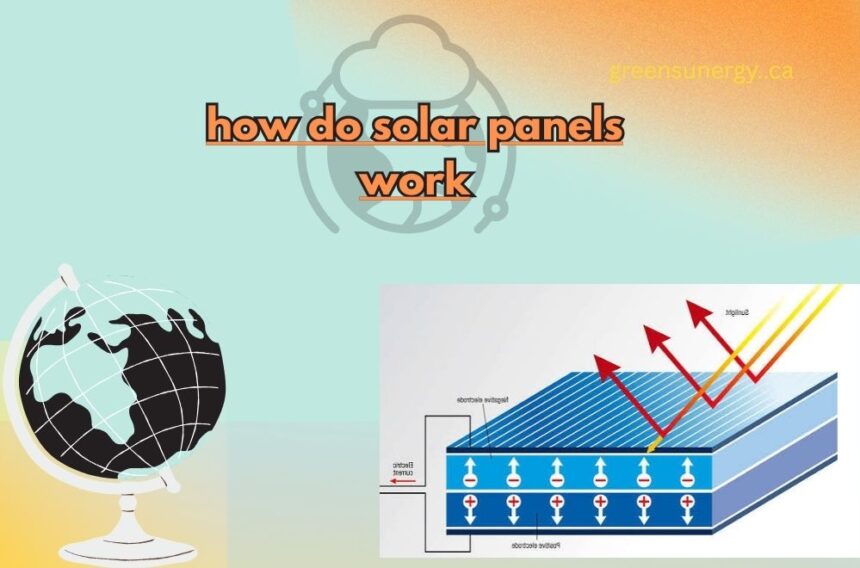
Installing a functioning grid tied solar system requires understanding four core components that work together seamlessly. High-efficiency solar panels capture sunlight and convert it into direct current electricity. Modern panels like those from quality manufacturers achieve 20% efficiency ratings, meaning they transform one fifth of incoming sunlight into usable power.
Your solar system needs an inverter to convert direct current into alternating current that your home appliances actually use. Microinverters installed on individual panels offer advantages over string inverters because partial shading doesn’t reduce your entire system’s output. Wiring, mounting hardware, and safety disconnects complete the foundation. Optional components include WIFI gateways for monitoring your solar system from your smartphone in real time.
Battery backup represents an optional upgrade for homeowners wanting maximum security. When paired with your solar system, batteries store excess power for use during outages. This transforms your setup into a hybrid solution that combines grid connection with energy storage. Many manufacturers now design solar systems with battery compatibility from the start, allowing future expansion without expensive retrofitting.
Sizing Your Grid tied solar system Correctly Ensures Maximum Performance
Getting your grid tied solar system size right determines whether you’ll meet your energy needs or fall short. Start by examining your annual electricity consumption on your utility bills. Calculate your average daily usage in kilowatt-hours, then divide by your region’s peak sun hours, typically between three and five hours daily in Canada. Multiply by 1.2 to account for system losses through wiring and conversion.
Your roof area and sun exposure significantly impact how many solar panels you can install for your grid tied system. South-facing roofs receive maximum sun exposure throughout the day. Each 500-watt panel requires approximately 27 square feet of roof space. An 8-kilowatt grid tied system needs roughly 432 square feet of unobstructed roofing. Most Canadian homes accommodate systems between 6 and 10 kilowatts, which translates to 12 to 20 individual panels.
Professional assessment reveals whether your roof’s structural integrity supports a grid tied system installation. Building code requirements vary by province, and your solar array installation must meet all local standards. Certified electricians handle final connections to ensure your grid tied system integrates safely with your home’s electrical panel and the utility grid connection point.
Read more about: wurduxalgoilds
Comparing Grid tied Solar System Approaches Against Other Energy Solutions
Homeowners often ask me how grid tied solar systems stack up against off-grid and hybrid alternatives. Grid tied systems require no battery storage, making them affordable and low-maintenance compared to off-grid setups. You maintain utility grid connection, so you never lose power during system maintenance or extreme weather. Off-grid systems demand expensive battery banks and complex sizing calculations that many homeowners find overwhelming.
Hybrid systems represent a middle ground, combining your grid tied system with battery backup for blackout protection. This option costs more upfront but provides both security and energy independence. For most Canadian suburban homeowners, a traditional grid tied system offers the best value with minimal complexity. You get clean energy generation, lower bills, and net metering credits without expensive battery components.
The maintenance differences matter significantly over your grid tied system’s 25 year lifespan. Solar panels need occasional cleaning and inspection, but nothing else requires regular attention. Off-grid batteries demand monitoring, temperature control, and periodic replacement. Your solar system simply operates quietly, generating power silently while you enjoy the benefits month after month, year after year.
FAQs
Question 1: What happens to my grid tied solar system when the power goes out?
Without battery backup, your grid tied solar system automatically shuts down during utility outages as a safety measure protecting utility workers. This happens through automatic disconnect switches required by electrical codes. Adding battery backup with a hybrid inverter allows you to maintain power during outages using stored energy from your solar panels.
Question 2: How many solar panels does my Canadian home need?
Most homes require 12 to 20 panels depending on energy consumption and location. A professional solar assessment determines your specific needs by analysing your utility history, roof orientation, and shading patterns. Your grid tied system size should match your average daily consumption plus a buffer for seasonal variations.
Question 3: Can I install my grid tied solar system myself?
Some homeowners handle mounting and wiring, but electrical code requires certified electricians for final connection to the grid. Pre-wired kits simplify installation substantially, and professional crews can complete most residential grid tied solar systems in two to three days. I recommend professional installation for warranty protection and safety assurance.
Question 4: Will my solar system work during Canadian winters?
Absolutely. Modern solar panels generate power on cloudy days, though output decreases compared to summer. Snow on panels requires occasional clearing, but salt spray from roads doesn’t significantly impact efficiency. Your grid tied system typically generates 60-70% of summer output during winter months, still providing substantial savings and grid contribution.