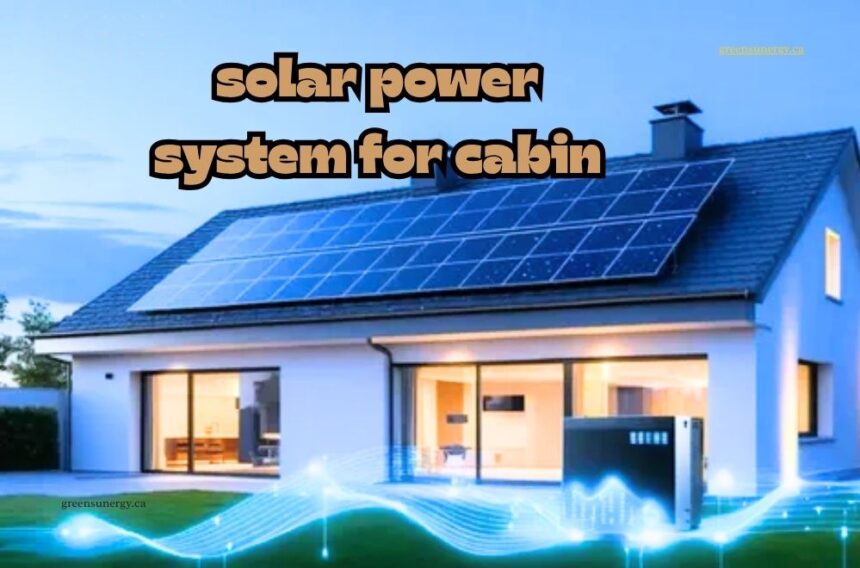
Installing a solar power system for cabin ownership transforms how you experience remote living. Many cabins’ owners wrestle with expensive fuel deliveries and noisy generators that disrupt peaceful wilderness retreats. Your solar power system for cabin provides quiet, clean energy that keeps lights on and appliances running without monthly utility bills.
The shift to cabin powered by sunshine offers genuine freedom from grid dependence. Understanding how to properly size and maintain your system separates successful installations from disappointing ones. This guide walks you through everything needed for reliable solar power that actually works year-round.
Building Your First Solar power system for cabin Independence
Your solar power system for cabin starts with three essential components working together seamlessly. Solar panels capture sunlight and convert it into electrical current. Batteries store that energy for use during night-time and cloudy periods. An inverter transforms stored power into usable electricity for your appliances and lighting. These three elements form the backbone of any reliable cabin energy solution. Getting the sizing right prevents frustrating shortfalls or expensive oversizing that wastes money.
Most cabin owners underestimate their actual energy consumption patterns. Before purchasing anything, calculate your daily watt-hour requirements by listing every device you’ll operate. A refrigerator running continuously draws roughly one hundred watts. Lighting needs might total five hundred watts during evening hours. Water pump systems require bursts of power for brief periods. Adding these demands reveals your true power requirements. Your solar power system for cabin must generate enough kilowatt-hours daily to cover consumption plus charging losses.
Battery storage capacity determines how many cloudy days you can survive without backup power. Most experts recommend three to five days of autonomy in battery reserves. Canadian cabins experiencing winter weather need more storage than summer cottages. A properly sized lithium battery bank keeps your cabin powered through extended Gray skies. Pairing quality batteries with adequate solar panel capacity creates resilience against seasonal challenges.
Read more about: batteries agm batteries
Sizing Your Cabin Solar Power System Correctly
Getting your solar power system for cabin size correct prevents costly mistakes. Begin with monthly consumption patterns rather than daily averages. Winter months in Canada generate significantly less solar energy than summer periods. Your system must size for worst case winter scenarios, not annual averages. This protective approach ensures year-round energy independence without running backup generators constantly.
Calculate winter peak sun hours for your specific cabin location. Alberta receives roughly two to three peak sun hours daily during winter months. This figure represents equivalent hours when solar radiation reaches one thousand watts per square meter. Multiply your daily watt-hour needs by this number to determine required solar panel wattage. Adding a safety buffer of twenty to thirty percent accommodates panel degradation and soiling.
Modern MPPT charge controllers maximize energy harvest by tracking optimal operating points. These devices prevent overcharging that damages battery capacity. Selecting the right controller capacity ensures efficient conversion of solar generation into stored power. The inverter size must handle your peak simultaneous loads. A three-thousand-watt inverter handles most cabin needs including heating elements and water pump starts.
| Calculation Fundamentals | System Components | Capacity Requirements |
| Daily watt-hour consumption drives sizing | Solar panels must generate surplus for storage | Winter peak sun hours of 2-3 daily |
| Peak sun hours vary by location and season | Battery storage requires 3-5 day autonomy buffer | Array size increases 40-60% for winter needs |
| Monthly energy consumption patterns differ | MPPT charge controller maximizes power capture | Cabin loads determine inverter wattage size |
| Seasonal variations require winter focus | Lithium batteries store 80-90% of charged power | Essential loads versus luxury appliance demand |
| Summer solar generation exceeds winter production | Charge controller sizing matches solar panel input | Depth of discharge limits extend battery life |
| Latitude determines optimal panel angle | Inverter capacity handles simultaneous appliance loads | Backup generator bridges extended cloudy periods |
Maximizing Efficiency of Your Solar power system for cabin Operations
Panel orientation dramatically affects your solar power system for cabin performance. South facing angles between thirty-five and forty degrees work well across Canada. This positioning captures maximum solar radiation throughout the year. Avoid shading from trees or structures that block sunlight during critical morning and evening hours.
Panel cleanliness impacts energy generation significantly. Dust, snow, and pollen reduce efficiency by five to fifteen percent. Regular maintenance includes gentle snow removal in winter months and periodic washing. Never use abrasive materials that damage protective panel coatings. Many cabins’ owners schedule cleaning during maintenance visits to maximize power production.
Battery maintenance extends storage system lifespan considerably. Lead acid batteries require periodic water top ups and terminal corrosion cleaning. Lithium batteries need temperature monitoring and occasional software updates. Avoiding deep discharge cycles preserves battery health longer. Keeping state of charge between twenty and eighty percent extends useful battery life by years. Proper system management transforms your cabin power solution into a twenty-year asset instead of a five-year worry.
Weatherproofing Your Solar power system for cabin Year-Round Operation
Canadian winters test every cabin power setup severely. Heavy snow accumulation on solar panels blocks sunlight entirely. Steep roof angles above forty-five degrees naturally shed snow quickly. Ground mounted panel arrays can be manually cleared after storms. Installing mounting systems allowing easy access prevents weeks of zero solar generation.
Temperature affects system performance counter intuitively. Cold actually improves panel electrical output through better voltage delivery. However, extreme cold reduces battery capacity temporarily. Insulating battery enclosures in heated cabin spaces protects storage from freezing. Charge controller placement matters too since electronics perform poorly below freezing. Proper system design anticipates these seasonal challenges preventing frustration.
Wind loading increases stress on elevated solar panel installations. Secure mounting hardware rated for your region’s maximum wind speeds prevents catastrophic failure. Roof penetrations should use quality flashing preventing water intrusion. Wiring protection from UV damage extends component lifespan. Professional installation during initial setup prevents weather related failures later.
Read more about: demainmail
Backup Power Solutions for Your Solar power system for cabin Security
No solar power system for cabin operates perfectly during extended winter storms. Backup generators bridge gaps when solar generation drops for multiple days. Propane or diesel generators run quietly and provide instant power when batteries deplete. Sizing backup capacity to handle essential loads prevents over-investment while maintaining reliability.
Hybrid systems combining solar with wind turbines improve performance in certain locations. Wind often peaks during cloudy periods when solar production drops. Small wind turbines rated for residential use complement cabin solar panels nicely. These combinations provide more consistent energy year-round than either technology alone.
Smart load management reduces demands on your system substantially. Timer controlled water heating uses surplus daytime solar power instead of drawing from batteries. Programmable appliances run during peak solar generation hours. LED lighting consumes minimal power compared to traditional fixtures. Behavioural changes maximizing solar power system for cabin efficiency cost nothing but yield significant returns.
FAQs
What is the minimum solar panel size needed for a small cabin?
A small cabin with basic lighting and refrigeration typically needs three to five kilowatts of solar panel capacity. This generates sufficient energy for year-round operation when paired with adequate battery storage. Your specific power requirements determine exact panel sizing. Calculating daily consumption in watt-hours provides accurate sizing guidance. Professional site assessment refines recommendations based on your location’s solar radiation patterns and shading conditions.
Can I expand my solar power system for cabin later?
Yes, well designed systems allow expansion as your needs grow. Install properly sized inverters and charge controllers with capacity exceeding initial solar panel and battery quantities. This forward planning prevents expensive replacements when upgrading. Adding solar panels and battery modules becomes straightforward within existing infrastructure. Plan your initial system with future expansion possibilities in mind for cost effective growth.
How often does maintenance on a solar power system for cabin occur?
Solar panel maintenance happens seasonally during snow removal and periodic cleaning. Battery inspection occurs quarterly checking terminal conditions and charge levels. Inverter and charge controller monitoring through display panels takes minutes weekly. Major servicing happens annually reviewing all connections and performance metrics. Preventive maintenance prevents costly failures ensuring your cabin power remains reliable.
What backup fuel should I store for cabin generator operation?
Propane offers safest storage requiring sealed containers in ventilated areas. Five-gallon propane bottles provide roughly twenty-four hours of generator runtime. Diesel fuel needs regular stabilization preventing gum formation during storage. Keep enough fuel reserves for two to three weeks of backup operation during extended cloudy periods. Rotate fuel supplies annually preventing degradation and maintaining reliable start-up when needed.