Three years ago, I made the decision to transition my remote property away from traditional power sources. What started as curiosity about renewable energy became my mission to achieve complete energy independence. Today, I want to share what I’ve learned about off grid solar systems so you can make an informed choice too.
Most people think about electricity only when they pay their monthly bills. But living with an off grid solar system changed my perspective entirely. You become conscious of every kilowatt-hour you use. You understand energy consumption in ways grid-dependent households never do.
What Makes an Off grid solar system Different
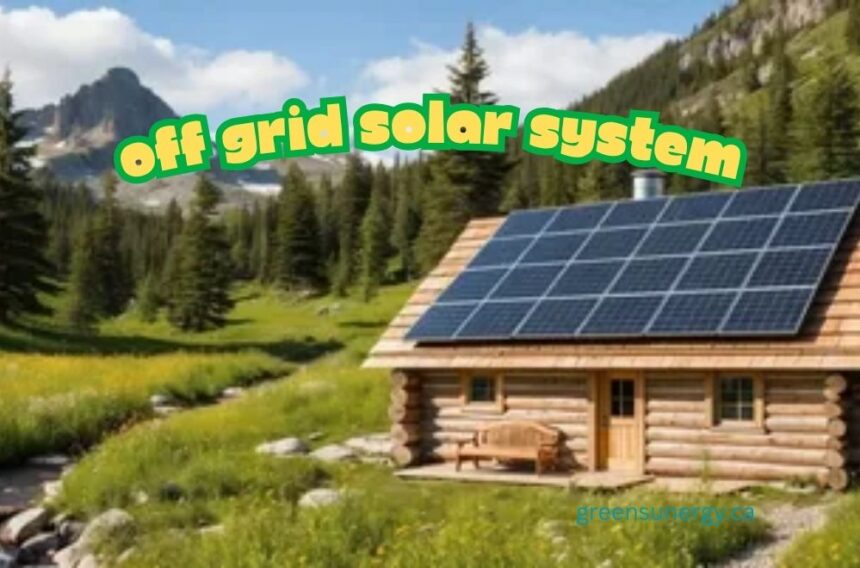
An off grid solar panel operates completely independently from your local utility grid. This is fundamentally different from traditional homes that rely on centralized power distribution. With my solar system, I generate power during sunny hours and store excess energy for nighttime use.
The key advantage? Energy autonomy. Your electricity doesn’t depend on utility companies, grid infrastructure, or rate increases. My off grid solar system provided peace of mind during a major regional outage that left neighboring homes without power for days.
Off grid solar panels require you to think differently about consumption. I learned quickly that not every appliance works efficiently with stored solar power. This awareness actually made me a smarter energy user overall.
Understanding Your Off grid solar Panel Components
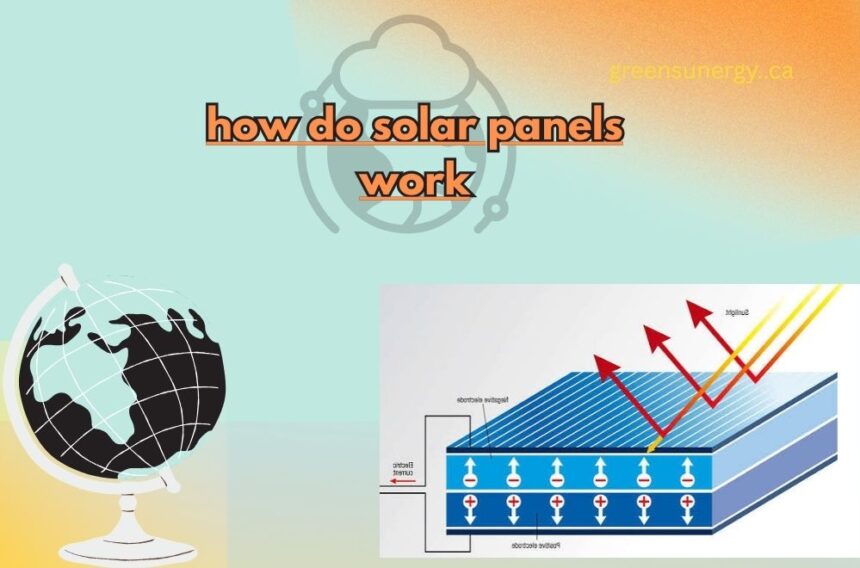
Your off grid solar panel consists of several essential parts working together. Solar panels capture sunlight and convert it into direct current (DC) electricity. I installed monocrystalline solar panels because they offer higher efficiency rates than alternatives. The photovoltaic technology converts approximately 15-22% of sunlight into usable power. I place my panels where they receive maximum daily sunlight exposure.
The charge controller regulates how electricity flows from your solar panels into your battery bank. Without a charge controller, your batteries would overcharge and deteriorate rapidly. I use a MPPT (maximum power point tracking) controller that optimizes energy harvest throughout the day.
Your battery bank stores energy for use when the sun sets. I chose lithium batteries despite their higher upfront cost because they last longer than lead-acid batteries. A typical residential off grid solar system needs storage capacity of 20-40 kilowatt-hours depending on household size and location.
The inverter transforms DC electricity into alternating current (AC) power. Your home appliances require AC power, so the inverter is non-negotiable in any off grid solar system. I invested in a high-quality unit because poor inverters introduce energy losses and inefficiency.
Sizing Your Off grid solar System Correctly
Getting the size right determines whether your off grid solar panel succeeds or fails. Too large and you waste money on unnecessary equipment. I calculated my household’s daily energy requirements by documenting every appliance and usage pattern. I discovered my family used approximately 18 kilowatt-hours daily during winter months. Summer consumption dropped to 12 kilowatt-hours due to longer daylight and reduced heating needs.
Your location’s peak sun hours matter tremendously for sizing. In my region, winter provides only 2-3 peak sun hours daily while summer offers 6-7 hours. I designed my off grid solar panel around the lowest-production season because that’s when your battery bank performs critical functions. Professional installers helped me select a 10-kilowatt solar panel array with 40 kilowatt-hours of battery storage.
What You’ll Actually Spend: Breaking Down Solar Investment Costs
Transitioning to an solar system demands careful budget planning and realistic financial expectations from the start. Understanding costs helps you make realistic decisions about whether this works for your situation.
My complete installation cost $48,000 including solar panels ($12,000), lithium battery bank ($18,000), inverter and charge controller ($8,000), and professional installation labor ($10,000). Larger systems or premium equipment pushed costs toward $60,000-$75,000. Smaller cabin setups might operate successfully at $25,000-$35,000.
Government incentives and tax credits reduced my net cost significantly. Many regions offer rebates for adopting renewable energy technology. I recovered approximately $7,000 through available programs in my area. This made my actual investment more manageable while improving my home’s value.
Ongoing maintenance costs remain modest once installation is complete. Annual solar panel cleaning, battery health monitoring, and component servicing typically costs $500-$800 yearly. This panel compared to traditional electricity bills I eliminated entirely.
Comparing Off-Grid vs Grid-Tied Solar Solutions
I initially considered grid-tied solar systems before choosing off-grid solar solutions. Understanding differences helped me select what truly matched my lifestyle and property.
Grid-tied systems connect to your utility while off grid solar systems operate completely independently. Grid-tied homes send excess solar power back to utilities for credits. Off grid solar panel require you to store all energy in batteries for later use. Neither approach is inherently superior—they serve different needs and locations.
Grid-tied systems cost significantly less initially because you eliminate expensive battery bank requirements. However, off grid solar systems provide energy independence and resilience. During grid failures, grid-tied homes lose power. My solar system kept running perfectly during regional outages.
The decision depends on your priorities. Remote property owners strongly prefer off grid solar panel because grid connection is impossible. Urban residents typically favor grid-tied arrangements for simplicity and lower upfront costs.
Read More About: used solar panels canada
Maintaining Your Off grid Solar Panel Effectively
Long-term reliability requires consistent attention to your off grid solar system components. I learned this through both successes and minor failures during my first year.
Solar panel maintenance involves seasonal cleaning to remove dust and debris. Snow accumulation in winter significantly reduces solar power generation. I gently brush accumulated snow from panels during heavy storms. Quarterly inspections reveal any cracks or damage requiring repair before problems escalate.
Battery bank monitoring prevents catastrophic failures that devastate off grid solar systems. I check charge levels daily and avoid letting batteries fully discharge. Lithium batteries tolerate deeper discharges than lead-acid alternatives, but full depletion still damages longevity. Most quality systems include monitoring apps displaying battery status remotely.
Wiring connections loosen over time due to vibration and temperature fluctuations. I inspect all visible connections semi-annually. Corroded terminals reduce energy transfer efficiency. Replacing worn connectors costs minimal compared to ignoring deterioration.
Professional technicians service my inverter and charge controller annually. These components contain electronics vulnerable to overheating and component failure. Early detection through professional inspection prevents expensive replacements and system downtime.
Making the Transition to Off-Grid Living
Adopting an off grid solar system requires psychological adjustment beyond technical considerations. Most people unconsciously trust the grid’s constant availability. Off grid solar system living demands intentional energy awareness.
I started by reducing unnecessary consumption before installation. Upgrading to efficient appliances, improving insulation, and adjusting usage patterns decreased my required system size and cost. These efficiency improvements remain beneficial today, extending battery lifespan and maximizing renewable energy utilization.
Weather patterns directly affect daily life. Extended cloudy periods require battery conservation and sometimes backup generation. I installed a small backup generator powered by propane for rare extended cloud cover. This safety net prevents desperation and allows system downsizing for better economics.
Community connections strengthened my transition. Speaking with others living successfully with off grid solar panels provided realistic perspectives. Many shared maintenance tips and troubleshooting advice that prevented costly mistakes. Online forums and local renewable energy groups supported my journey considerably.
Read More About: Automotive Marketing Strategy
Why Choose Off grid solar systems Today
Modern battery technology, improved solar panel efficiency, and lower equipment prices make off grid solar systems accessible to more households than ever before. You control your power source completely. Utility companies cannot raise rates or restrict service. Your solar power production serves your family’s needs exclusively.
Environmental responsibility motivated my transition significantly. Your household becomes part of the renewable energy solution addressing climate change. This positive impact feels tangible when you directly control your energy production daily.
Financial independence appeals to homeowners tired of escalating utility bills. My solar system operates at effectively zero marginal cost after initial investment. That freedom liberates money for other priorities while knowing my electricity expense will never increase.
FAQs
How many solar panels do I need for my off grid solar panel?
The number of solar panels depends on your daily energy consumption and location’s peak sun hours. I needed 40 panels (10 kilowatts) for my household. Smaller homes might require 15-20 panels while larger properties need 50+ panels. Calculate your daily kilowatt-hour requirements then divide by your location’s peak sun hours during winter months.
What’s the lifespan of components in solar systems?
Solar panels typically last 25-30 years with minimal degradation. Lithium batteries in quality off grid solar panels provide 10-15 years of service. Charge controllers and inverters last 10-15 years with proper maintenance. My original components continue functioning excellently. Battery replacement represents the largest long-term cost. Choosing quality components and performing regular maintenance extends lifespan significantly.
Are off grid solar panels worth the investment?
Yes, off grid solar panels provide excellent long-term value. My system paid for itself through eliminated electricity bills within 8-10 years. Beyond that, every year represents pure savings. Energy independence, grid resilience, and environmental benefits add value beyond financial returns.For remote properties where grid connection costs $50,000+, off grid solar systems are economically superior immediately.